




Hangzhou Hezi Technology Co., Ltd.




News Center
Hezi technology focuses on the research and development of "rapid seamless conveyor belt joint sleeve" innovative technology project

NEWS CENTER
News Details
How to Choose the Right Conveyor Rubber Belt Fastener for Your Needs
Release time:
2025-09-29
How to Choose the Right Conveyor Rubber Belt Fastener for Your Needs Table of Contents Introduction to Conveyor Rubber Belt Fasteners Types of Conveyor Rubber Belt Fasteners Materials Used in Conveyor Fasteners Applications of Conveyor Rubber Belt Fasteners Factors to Consider When Choosing Fasteners Load Capacity and Size Environmental Conditions Ease of Installation
How to Choose the Right Conveyor Rubber Belt Fastener for Your Needs
Table of Contents
- Introduction to Conveyor Rubber Belt Fasteners
- Types of Conveyor Rubber Belt Fasteners
- Materials Used in Conveyor Fasteners
- Applications of Conveyor Rubber Belt Fasteners
- Factors to Consider When Choosing Fasteners
- Pros and Cons of Different Fasteners
- Top Brands of Conveyor Rubber Belt Fasteners
- Frequently Asked Questions (FAQs)
- Conclusion
Introduction to Conveyor Rubber Belt Fasteners
When it comes to conveyor systems, **rubber belt fasteners** play a vital role in maintaining the integrity and functionality of the belt. Selecting the right fastener enhances the overall efficiency of your operation, minimizing downtime and maximizing productivity. In this article, we will provide a detailed understanding of conveyor rubber belt fasteners, exploring their types, materials, applications, and essential factors to consider for making an informed choice.
Types of Conveyor Rubber Belt Fasteners
The market offers a variety of **conveyor rubber belt fasteners**, each designed for specific applications and conditions. Below, we highlight some of the most common types:
1. Mechanical Fasteners
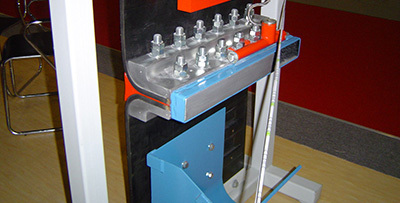
Mechanical fasteners are the most traditional method of joining rubber belts. They consist of metal components that physically grip the belt ends together. Common types include:
- **Clip-on Fasteners**: Easy to install, they feature clips that hold the belt ends tightly.
- **Bolt-on Fasteners**: These provide a more robust connection and are ideal for heavy-duty applications.
2. Vulcanized Fasteners
Vulcanization involves chemically bonding the rubber belt ends. This creates a seamless connection, which is often stronger than mechanical fasteners. It is ideal for applications where smooth belt surfaces are necessary, such as in food processing.
3. Adhesive Fasteners
Adhesive fasteners use specialized adhesives to bond the edges of the rubber belt. They are less common but can be effective for lighter loads and less demanding applications.
Materials Used in Conveyor Fasteners
The choice of materials for conveyor rubber belt fasteners significantly impacts their performance and durability. Common materials include:
1. Steel
Steel fasteners are known for their strength and are often used in heavy-duty applications. They resist wear and tear, making them ideal for high-load scenarios.
2. Stainless Steel
Stainless steel is corrosion-resistant, making it an excellent choice for environments where moisture or chemicals are present. It is often used in food processing and pharmaceutical industries.
3. Plastic
Plastic or polymer fasteners are lightweight and resistant to corrosion. They are best suited for light to medium-duty applications.
Applications of Conveyor Rubber Belt Fasteners
Conveyor rubber belt fasteners find applications across various industries due to their versatility and reliability. Some common sectors include:
1. Agriculture
In agricultural operations, conveyor belts are employed for transporting grains, seeds, and fertilizers. Durable fasteners ensure efficient transport and reduce maintenance costs.
2. Mining
The mining industry requires heavy-duty fasteners that can withstand the harshest conditions. Mechanical and vulcanized fasteners are widely used due to their strength.
3. Food Processing
Food processing plants require fasteners that meet strict hygiene standards. Vulcanized and stainless steel fasteners are ideal for ensuring food safety.
Factors to Consider When Choosing Fasteners
Choosing the right conveyor rubber belt fastener involves considering several critical factors:
Load Capacity and Size
It’s essential to evaluate the **load capacity** of the fasteners. Ensure that the fastener can handle the specific weight and type of materials transported by the conveyor. Additionally, the size of the fastener should match the belt width and thickness.
Environmental Conditions
Consider the **environmental conditions** in which the conveyor will operate. Factors such as temperature, humidity, and exposure to chemicals can affect the performance of the fasteners. For instance, stainless steel fasteners are ideal for humid environments, while rubber fasteners may be preferred for dry applications.
Ease of Installation and Maintenance
Fasteners should be easy to install and maintain to minimize downtime. Mechanical fasteners often allow for quicker installations compared to vulcanized solutions, which require specialized equipment.
Pros and Cons of Different Fasteners
Understanding the benefits and drawbacks of each type of fastener can aid in making an informed decision.
Mechanical Fasteners
**Pros**:
- Easy to install and replace.
- Adjustable for varying belt sizes.
**Cons**:
- May require more frequent maintenance.
- Can create a rough joint surface.
Vulcanized Fasteners
**Pros**:
- Provide a smooth, seamless connection.
- Greater durability under heavy loads.
**Cons**:
- Require specialized installation equipment.
- Longer installation time.
Adhesive Fasteners
**Pros**:
- Minimal tools required for installation.
- Lightweight and flexible.
**Cons**:
- Less suitable for heavy-duty applications.
- May not withstand harsh environmental conditions.
Top Brands of Conveyor Rubber Belt Fasteners
Selecting high-quality fasteners from reputable brands is crucial for ensuring reliability and performance. Some of the top brands in the industry include:
1. Flexco
Known for its innovative fastening solutions, Flexco offers a wide range of mechanical and vulcanized fasteners.
2. Habasit
Habasit specializes in providing high-performance conveyor and processing belts along with reliable fastening systems.
3. ASGCO
ASGCO is recognized for its extensive line of conveyor components, including durable rubber belt fasteners.
Frequently Asked Questions (FAQs)
1. What are the benefits of using mechanical fasteners?
Mechanical fasteners are easy to install, adjustable for different belt sizes, and can be replaced quickly.
2. How do I know if my fasteners are suitable for my application?
Evaluate factors such as load capacity, environmental conditions, and installation ease to determine suitability.
3. Can I install fasteners myself?
While mechanical fasteners are generally DIY-friendly, vulcanized fasteners may require professional installation.
4. How often should I replace conveyor belt fasteners?
Regular inspections will help determine when fasteners require replacement, typically based on wear and tear or operational changes.
5. Are vulcanized fasteners more expensive than mechanical fasteners?
Yes, vulcanized fasteners typically require more investment upfront due to the specialized installation process, but they can offer better long-term performance.
Conclusion
Choosing the right **conveyor rubber belt fastener** is essential for ensuring the efficiency and safety of your operations. By understanding the various types of fasteners, their materials, applications, and critical factors to consider, you can make an informed decision that meets your specific needs. Whether you opt for mechanical, vulcanized, or adhesive fasteners, selecting high-quality products from reputable brands will ensure the longevity and performance of your conveyor system. Remember to evaluate your operational requirements thoroughly and consult with experts if necessary, to keep your operations running smoothly and efficiently.
Recommend News
Address
Address: No.82 Liangnong Road, Liangzhu street, Yuhang District, Hangzhou City, Zhejiang Province
Contact Information
Telephone:+86-571-88778905
Business consulting:+86-16657119700
Fax: +86-0571-88781967
Website
Website:www.hezikj.com
Official Mall:https://hzhlxjzp.1688.com/
Zip Code: 311113


Alibaba
Copyright © 2025 Hangzhou Hezi Technology Co., Ltd. | Powered by www.300.cn