




Hangzhou Hezi Technology Co., Ltd.




News Center
Hezi technology focuses on the research and development of "rapid seamless conveyor belt joint sleeve" innovative technology project

NEWS CENTER
News Details
Understanding Rubber Conveyor Belt Connectors: Essential Components for Efficient Material Handling
Release time:
2025-09-24
In the realm of industrial operations, particularly within the chemical and rubber manufacturing sectors, rubber conveyor belt connectors play a pivotal role in ensuring smooth and efficient material handling processes. These connectors serve as vital components that link different sections of conveyor belts, allowing for seamless transportation of various materials, including chemicals and raw ru
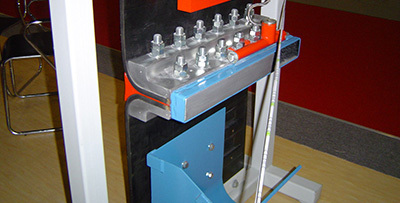
Rubber conveyor belt connectors come in various designs and configurations, tailored to meet specific operational requirements. Common types include mechanical connectors, which utilize bolts or clamps, and splicing techniques that involve chemically bonding the ends of the belts. Each type has its advantages and is selected based on the application’s demands, including load capacity, tension, and environmental conditions.
One of the primary benefits of using rubber conveyor belt connectors is their ability to maintain the integrity of the conveyor system. A well-connected conveyor belt minimizes the risk of misalignment or slippage, which can lead to material loss, increased wear, and potential safety hazards. To ensure optimal performance, it is crucial to regularly inspect and maintain these connectors, checking for wear and tear, corrosion, or damage that could compromise the system's functionality.
Proper installation of rubber conveyor belt connectors is equally important. This process generally involves aligning the belt ends accurately before applying the connector, whether through mechanical means or splicing. Incorrect alignment can lead to uneven wear, increasing the likelihood of premature failure. Therefore, it is advisable to follow manufacturer guidelines and best practices when executing these tasks.
In addition, the choice of materials for the connectors must be compatible with the types of materials being conveyed. For instance, when handling corrosive chemicals, selecting connectors resistant to such substances is essential to prolong the lifespan of the conveyor system. Similarly, environmental factors such as temperature and humidity should also be considered when choosing materials for connectors.
In summary, rubber conveyor belt connectors are essential for the efficient operation of conveyor systems within the chemical and rubber manufacturing industries. Understanding their types, functions, and maintenance practices can lead to enhanced productivity, reduced operational costs, and improved workplace safety. By prioritizing the proper use and care of these connectors, businesses can ensure that their material handling processes remain reliable and effective.
Recommend News
Address
Address: No.82 Liangnong Road, Liangzhu street, Yuhang District, Hangzhou City, Zhejiang Province
Contact Information
Telephone:+86-571-88778905
Business consulting:+86-16657119700
Fax: +86-0571-88781967
Website
Website:www.hezikj.com
Official Mall:https://hzhlxjzp.1688.com/
Zip Code: 311113


Alibaba
Copyright © 2025 Hangzhou Hezi Technology Co., Ltd. | Powered by www.300.cn