




Hangzhou Hezi Technology Co., Ltd.




News Center
Hezi technology focuses on the research and development of "rapid seamless conveyor belt joint sleeve" innovative technology project

NEWS CENTER
News Details
Everything You Need to Know About Conveyor Belt Fasteners
Release time:
2023-10-13
Discover the ins and outs of conveyor belt fasteners and how they play a crucial role in the industrial equipment and components industry.
In the world of industrial equipment and components, conveyor belts are essential for efficient material handling. However, to ensure the smooth operation of conveyor belts, it is vital to understand the importance of conveyor belt fasteners. This article will provide you with comprehensive knowledge about conveyor belt fasteners and their significance in the industry.
What are Conveyor Belt Fasteners?
Conveyor belt fasteners are mechanical devices used to join conveyor belts together. They are designed to securely hold the ends of a conveyor belt and provide a reliable connection. These fasteners ensure that the conveyor belt remains intact and prevents it from slipping or coming apart during operations.
Types of Conveyor Belt Fasteners:
1. Alligator Fasteners: Alligator fasteners are popular and widely used due to their simplicity and reliability. They consist of a hinge plate with teeth that grip the conveyor belt and a pin that secures the fastener in place.
2. Staple Fasteners: Staple fasteners are another common type and are suitable for lightweight conveyor belts. They feature pre-inserted staples that hold the belt ends together, ensuring a secure connection.
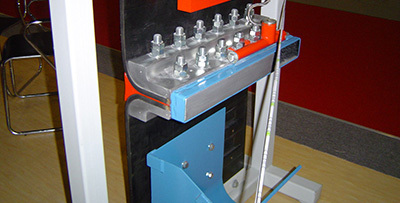
3. Solid Plate Fasteners: Solid plate fasteners are heavy-duty fasteners that provide superior strength and durability. They consist of metal plates with bolts or rivets that clamp the conveyor belt ends together.
4. Hinged Fasteners: Hinged fasteners are designed for belts with a thickness exceeding 16 mm. They use a hinged plate system that allows easy installation and removal for belt maintenance.
Importance of Conveyor Belt Fasteners:
1. Secure Belt Connection: Conveyor belt fasteners play a crucial role in maintaining a secure connection between belt ends. This prevents costly downtime caused by belt separation and ensures uninterrupted operations.
2. Enhanced Belt Lifespan: Properly installed and maintained fasteners can significantly extend the lifespan of conveyor belts. By preventing slippage and excess wear, they help reduce maintenance costs and increase overall productivity.
3. Safety and Efficiency: Conveyor belt fasteners contribute to a safer working environment by minimizing the risk of accidents due to belt failure. Additionally, they improve efficiency by reducing downtime associated with belt repairs.
Conclusion:
Conveyor belt fasteners are essential components in the industrial equipment and components industry. They provide a secure and reliable connection between conveyor belt ends, ensuring smooth operations and extending the lifespan of the belts. Understanding the different types of fasteners and their significance will help industry professionals make informed decisions when it comes to choosing the right fasteners for their conveyor systems.
Recommend News
Address
Address: No.82 Liangnong Road, Liangzhu street, Yuhang District, Hangzhou City, Zhejiang Province
Contact Information
Telephone:+86-571-88778905
Business consulting:+86-16657119700
Fax: +86-0571-88781967
Website
Website:www.hezikj.com
Official Mall:https://hzhlxjzp.1688.com/
Zip Code: 311113


Alibaba
Copyright © 2025 Hangzhou Hezi Technology Co., Ltd. | Powered by www.300.cn