




Hangzhou Hezi Technology Co., Ltd.




News Center
Hezi technology focuses on the research and development of "rapid seamless conveyor belt joint sleeve" innovative technology project

NEWS CENTER
News Details
Conveyor Belt Fasteners: The Essential Components for Industrial Equipment and Components
Release time:
2023-10-14
Discover the significance of conveyor belt fasteners in the field of industrial equipment and components, and explore their vital role in ensuring the seamless functioning of conveyors.
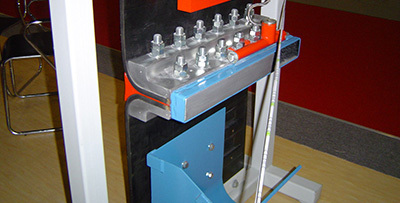
Conveyor belt fasteners are crucial components in the industrial equipment and components sector, specifically in the realm of fastening and connecting various elements of conveyor belts. These fasteners play a pivotal role in maintaining the efficiency and reliability of conveyor systems by securely joining the belt ends together. In this article, we will delve into the importance of conveyor belt fasteners and shed light on their essential functions and features.
1. Ensuring Secure Connections:
Conveyor belt fasteners are designed to provide secure connections between the ends of conveyor belts. This ensures that the belts remain intact and prevent any disruption in the material handling process. The fasteners are meticulously engineered to withstand heavy loads, vibrations, and tension, ensuring the smooth operation of conveyors.
2. Versatility in Applications:
Conveyor belt fasteners are available in a range of types and designs, catering to diverse industrial requirements. From mechanical fasteners to plate and hinged fasteners, each variant offers unique benefits and compatibility with different conveyor belt materials. This versatility allows for seamless integration into various industrial setups, including mining, manufacturing, and logistics.
3. Ease of Installation and Maintenance:
One of the key advantages of conveyor belt fasteners is their ease of installation and maintenance. They eliminate the need for complex welding or adhesive techniques, simplifying the process of joining conveyor belts. Additionally, when repairs or replacements are necessary, fasteners enable quick and efficient disassembly and reassembly, minimizing downtime and optimizing productivity.
4. Enhanced Safety:
Conveyor belt fasteners contribute to the overall safety of conveyor systems. By securely connecting the belt ends, they prevent slippage or separation, reducing the risk of accidents and injuries. Moreover, these fasteners are designed to withstand demanding conditions, ensuring the durability and reliability of the conveyor system.
Conclusion:
Conveyor belt fasteners are indispensable in the industrial equipment and components sector, specifically in the realm of conveyor systems. Their role in securely connecting the belt ends, versatility in applications, ease of installation and maintenance, and contribution to safety make them essential components in various industries. By understanding the significance of conveyor belt fasteners, professionals in the field can make informed decisions regarding their selection and utilization, ultimately optimizing the performance of conveyor systems and enhancing overall productivity.
Recommend News
Address
Address: No.82 Liangnong Road, Liangzhu street, Yuhang District, Hangzhou City, Zhejiang Province
Contact Information
Telephone:+86-571-88778905
Business consulting:+86-16657119700
Fax: +86-0571-88781967
Website
Website:www.hezikj.com
Official Mall:https://hzhlxjzp.1688.com/
Zip Code: 311113


Alibaba
Copyright © 2025 Hangzhou Hezi Technology Co., Ltd. | Powered by www.300.cn