




Hangzhou Hezi Technology Co., Ltd.




News Center
Hezi technology focuses on the research and development of "rapid seamless conveyor belt joint sleeve" innovative technology project

NEWS CENTER
News Details
Everything You Need to Know about Rubber Conveyor Belt Joints in the Hardware Tools Industry
Release time:
2023-11-11
Discover the ins and outs of rubber conveyor belt joints in the hardware tools industry. Learn about the different types, benefits, and applications of these essential fittings, ensuring efficient and
Types of Rubber Conveyor Belt Joints:
1. Mechanical Joints:
- Fasteners: These joints utilize mechanical fasteners or clips to connect the belt ends. They offer quick and easy installation and allow for straightforward belt maintenance and replacement.
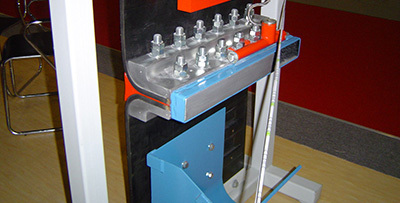
- Plates: Plate joints involve the use of metal or plastic plates fastened with bolts. They provide sturdy connections suitable for heavy-duty applications.
2. Vulcanization Joints:
- Hot Vulcanization: This method involves heating the belt ends and applying pressure to create a durable bond. It ensures excellent strength and longevity, making it ideal for demanding environments.
- Cold Vulcanization: Using adhesives or chemicals, cold vulcanization creates a reliable joint without the need for heat. It offers flexibility for on-site repairs and is suitable for light to medium-duty applications.
Benefits of Properly Jointed Rubber Conveyor Belts:
1. Enhanced Conveyor Performance: Well-executed joints minimize belt slippage, ensuring efficient and uninterrupted material transfer. This leads to increased productivity and reduced operational costs.
2. Extended Belt Lifespan: Strong and secure joints prevent premature belt wear and tear, ultimately prolonging the overall lifespan of the conveyor belt. This results in cost savings and improved reliability.
3. Reduced Downtime: Properly jointed belts minimize the risk of unexpected belt failures, reducing costly downtime for repairs or replacements. This is especially critical in time-sensitive hardware tool operations.
Applications of Rubber Conveyor Belt Joints in the Hardware Tools Industry:
1. Material Handling: Rubber conveyor belts with reliable joints are widely used for transporting various hardware tools, such as screws, bolts, nuts, and other small components, within manufacturing facilities.
2. Assembly Lines: Conveyor belts play a vital role in hardware tool assembly processes, ensuring smooth and continuous movement of products during the assembly stages. Properly jointed belts contribute to efficient production lines.
3. Packaging and Distribution: Rubber conveyor belts with secure joints facilitate the packaging and distribution of hardware tools, allowing for automated sorting, packaging, and shipping operations.
In conclusion, rubber conveyor belt joints are essential in the hardware tools industry for efficient material handling, assembly line operations, and packaging and distribution processes. Understanding the different joint types, benefits, and applications empowers businesses to make informed decisions and optimize their operations. By prioritizing reliable joints, hardware tool manufacturers can enhance performance, extend belt lifespan, and minimize downtime, ultimately improving productivity and customer satisfaction.
Previous Page
Recommend News
Address
Address: No.82 Liangnong Road, Liangzhu street, Yuhang District, Hangzhou City, Zhejiang Province
Contact Information
Telephone:+86-571-88778905
Business consulting:+86-16657119700
Fax: +86-0571-88781967
Website
Website:www.hezikj.com
Official Mall:https://hzhlxjzp.1688.com/
Zip Code: 311113


Alibaba
Copyright © 2025 Hangzhou Hezi Technology Co., Ltd. | Powered by www.300.cn