




Hangzhou Hezi Technology Co., Ltd.




News Center
Hezi technology focuses on the research and development of "rapid seamless conveyor belt joint sleeve" innovative technology project

NEWS CENTER
News Details
Top 10 Rubber Belt Fastener Types You Should Know About
Release time:
2023-11-12
Discover the top 10 rubber belt fastener types that every industry professional should be familiar with. Learn about their features, applications, and benefits in this comprehensive guide.
1. Introduction
2. Types of Rubber Belt Fasteners
2.1. Alligator Lacing
2.2. Bolt Solid Plate Fasteners
2.3. Clipper Hooks
2.4. Flexco® Bolt Hinged Fasteners
2.5. Rivet Hinged Fasteners
2.6. Staple Fasteners
2.7. Spiral Lace Fasteners
2.8. Wire Hook Fasteners
2.9. Overlapping/Butt Joint Fasteners
2.10. Endless Splicing
3. Factors to Consider When Choosing Rubber Belt Fasteners
4. FAQs
4.1. How long will rubber belt fasteners last?
4.2. Can rubber belt fasteners be reused?
4.3. Are rubber belt fasteners suitable for high-temperature applications?
4.4. How do I install rubber belt fasteners?
4.5. What are the advantages of endless splicing?
5. Conclusion
**1. Introduction**
In the world of industrial equipment and components, rubber belt fasteners play a crucial role in connecting and securing conveyor belts. These fasteners ensure the smooth and efficient operation of conveyor systems, preventing costly downtime and enhancing overall productivity. With various types of rubber belt fasteners available, it is essential to understand their characteristics, applications, and advantages. In this article, we will explore the top 10 rubber belt fastener types that are widely used in different industries.
**2. Types of Rubber Belt Fasteners**
2.1. **Alligator Lacing**
Alligator lacing is a popular type of rubber belt fastener known for its strong grip and easy installation. It consists of individual plates with teeth that interlock when compressed, creating a durable splice. Alligator lacing is commonly used in light to medium-duty applications, providing reliable connection for conveyor belts.
2.2. **Bolt Solid Plate Fasteners**
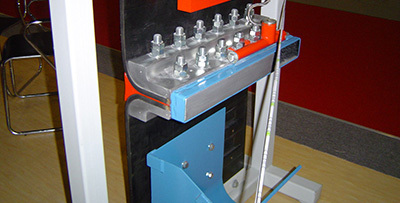
Bolt solid plate fasteners are designed for heavy-duty applications where a strong, durable connection is required. These fasteners feature a solid plate with bolts that securely hold the ends of the conveyor belt together. They are suitable for use in mining, construction, and other industries that involve heavy materials and high tension.
2.3. **Clipper Hooks**
Clipper hooks are another type of rubber belt fastener that offers a quick and easy installation process. They consist of metal hooks that are inserted into the conveyor belt and secured with a pin. Clipper hooks provide a reliable connection for light to medium-duty applications and are commonly used in agriculture and food processing industries.
2.4. **Flexco® Bolt Hinged Fasteners**
Flexco® bolt hinged fasteners are designed to provide a strong, flexible splice for conveyor belts. These fasteners feature a hinged plate with bolts that allow for easy installation and maintenance. They are suitable for use in applications with moderate to heavy loads, providing a secure connection that can withstand continuous operation.
2.5. **Rivet Hinged Fasteners**
Rivet hinged fasteners are known for their exceptional strength and durability. They consist of metal plates with rivets that securely join the ends of the conveyor belt. Rivet hinged fasteners are commonly used in heavy-duty applications, such as mining and construction, where the conveyor belts are subjected to intense wear and tear.
2.6. **Staple Fasteners**
Staple fasteners are a cost-effective option for light to medium-duty applications. They consist of metal staples that are driven through the conveyor belt, creating a secure splice. Staple fasteners are commonly used in industries like packaging and manufacturing, where conveyor belts require frequent maintenance and replacement.
2.7. **Spiral Lace Fasteners**
Spiral lace fasteners are designed to provide a strong connection for lightweight conveyor belts. They feature a continuous spiral of metal lacing that is inserted into the belt's edges, creating a durable splice. Spiral lace fasteners are commonly used in industries such as agriculture and recycling, where lightweight materials are transported on conveyor systems.
2.8. **Wire Hook Fasteners**
Wire hook fasteners are known for their versatility and ease of installation. They consist of metal hooks that are inserted into the conveyor belt and secured with a pin. Wire hook fasteners are suitable for light to medium-duty applications and are commonly used in industries like textiles and packaging.
2.9. **Overlapping/Butt Joint Fasteners**
Overlapping or butt joint fasteners are used to create a continuous connection between the ends of the conveyor belt. They involve overlapping the belt ends and securing them with metal plates or clips. Overlapping/butt joint fasteners are suitable for various applications, providing a seamless connection that ensures smooth conveyor operation.
2.10. **Endless Splicing**
Endless splicing is a specialized technique used to create a seamless, continuous belt without any fasteners. It involves bonding the ends of the conveyor belt using heat, pressure, or adhesive materials. Endless splicing offers numerous advantages, including increased belt strength, improved flexibility, and reduced maintenance requirements.
**3. Factors to Consider When Choosing Rubber Belt Fasteners**
When selecting rubber belt fasteners for your specific application, several factors should be taken into consideration:
- Conveyor belt type and material
- Belt width and thickness
- Operating tension and load capacity
- Environmental conditions (temperature, moisture, chemicals)
- Conveyor system speed and frequency of use
- Maintenance requirements and ease of installation
By considering these factors, you can choose the most suitable rubber belt fasteners that will ensure optimal performance and longevity.
**4. FAQs**
4.1. **How long will rubber belt fasteners last?**
The lifespan of rubber belt fasteners depends on various factors, including the application, operating conditions, and maintenance practices. With proper installation and regular inspections, rubber belt fasteners can last for several years.
4.2. **Can rubber belt fasteners be reused?**
In some cases, rubber belt fasteners can be reused if they are in good condition and meet the required performance standards. However, it is essential to evaluate the integrity of the fasteners before reuse and ensure they are suitable for the specific application.
4.3. **Are rubber belt fasteners suitable for high-temperature applications?**
Rubber belt fasteners designed for high-temperature applications are available. These fasteners are made from heat-resistant materials that can withstand elevated temperatures without compromising their performance.
4.4. **How do I install rubber belt fasteners?**
The installation process may vary depending on the type of rubber belt fasteners. It is crucial to follow the manufacturer's guidelines and recommendations to ensure proper installation and secure connections. Professional assistance may be required for complex fastening systems.
4.5. **What are the advantages of endless splicing?**
Endless splicing eliminates the need for fasteners, resulting in a seamless belt with improved strength and flexibility. It reduces the risk of fastener failure, enhances belt performance, and minimizes maintenance requirements.
**5. Conclusion**
Rubber belt fasteners are essential components in conveyor systems, providing secure connections and ensuring smooth operation. By familiarizing yourself with the top 10 rubber belt fastener types discussed in this article, you can make informed decisions when selecting the most suitable option for your industry. Consider the specific requirements of your application and consult with experts to maximize the performance and longevity of your conveyor belts. Choose reliable, high-quality rubber belt fasteners to optimize your operational efficiency and minimize downtime.
Recommend News
Address
Address: No.82 Liangnong Road, Liangzhu street, Yuhang District, Hangzhou City, Zhejiang Province
Contact Information
Telephone:+86-571-88778905
Business consulting:+86-16657119700
Fax: +86-0571-88781967
Website
Website:www.hezikj.com
Official Mall:https://hzhlxjzp.1688.com/
Zip Code: 311113


Alibaba
Copyright © 2025 Hangzhou Hezi Technology Co., Ltd. | Powered by www.300.cn