




Hangzhou Hezi Technology Co., Ltd.




News Center
Hezi technology focuses on the research and development of "rapid seamless conveyor belt joint sleeve" innovative technology project

NEWS CENTER
News Details
Conveyor Belt Fastener: Everything You Need to Know
Release time:
2023-11-17
Discover the essential information about conveyor belt fasteners in the industrial equipment and components industry. Learn how they contribute to secure and efficient operations, their various types,
In the industrial equipment and components industry, conveyor systems play a crucial role in the movement of goods and materials. One essential component of conveyor systems is the conveyor belt fastener. This article dives into the world of conveyor belt fasteners, providing valuable insights into their types, functions, and significance.
Types of Conveyor Belt Fasteners:
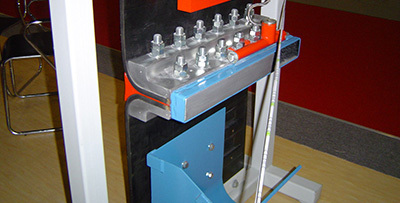
Conveyor belt fasteners come in various types, designed to suit different conveyor belt materials and applications. Common types include hinged fasteners, solid plate fasteners, and stapled fasteners. Hinged fasteners, also known as alligator or clipper fasteners, utilize a hinge pin to join the ends of a conveyor belt together. Solid plate fasteners, on the other hand, provide a strong, flat surface for securely fastening belts. Stapled fasteners use staples to hold the belt ends together, ensuring a reliable and secure connection.
Functions and Importance:
Conveyor belt fasteners serve several important functions in the industrial setting. First and foremost, they provide a strong and secure connection between conveyor belt ends, ensuring the continuous and smooth movement of materials. By securely fastening the belts, these fasteners prevent belt slippage, which can lead to disruptions in production and potential damage to the materials being transported. Moreover, conveyor belt fasteners allow for easy belt installation and replacement, reducing downtime and maintenance costs. They are also crucial in maintaining belt alignment, preventing misalignment issues that can impact overall system efficiency and lifespan.
Factors to Consider:
When selecting conveyor belt fasteners, several factors should be considered. These include the type and material of the conveyor belt, the load capacity requirements, the environment in which the system operates, and the speed of the conveyor. It is essential to choose fasteners that are compatible with the specific belt material and can withstand the intended load and operating conditions. Additionally, proper installation techniques and regular inspection and maintenance are necessary to ensure the longevity and optimal performance of the conveyor belt fasteners.
Conclusion:
Conveyor belt fasteners are indispensable components in the industrial equipment and components industry, specifically in conveyor systems. They provide reliable and secure connections between conveyor belt ends, contributing to the smooth and efficient movement of goods and materials. With various types available, it is crucial to choose the appropriate fasteners based on the belt material, load capacity, and operating environment. By understanding the functions and importance of conveyor belt fasteners, businesses can optimize their operations and minimize downtime associated with belt failures.
Recommend News
Address
Address: No.82 Liangnong Road, Liangzhu street, Yuhang District, Hangzhou City, Zhejiang Province
Contact Information
Telephone:+86-571-88778905
Business consulting:+86-16657119700
Fax: +86-0571-88781967
Website
Website:www.hezikj.com
Official Mall:https://hzhlxjzp.1688.com/
Zip Code: 311113


Alibaba
Copyright © 2025 Hangzhou Hezi Technology Co., Ltd. | Powered by www.300.cn