




Hangzhou Hezi Technology Co., Ltd.




News Center
Hezi technology focuses on the research and development of "rapid seamless conveyor belt joint sleeve" innovative technology project

NEWS CENTER
News Details
Increase Efficiency with High-Quality Conveyor Belt Fasteners
Release time:
2023-11-18
Discover how high-quality conveyor belt fasteners can enhance efficiency in industrial equipment and components. Uncover the benefits of utilizing these fasteners and learn how they can optimize your
1. Introduction: Enhancing Efficiency with Conveyor Belt Fasteners
2. The Importance of Conveyor Belt Fasteners in Industrial Equipment and Components
3. Benefits of High-Quality Conveyor Belt Fasteners
3.1 Enhanced Conveyor Belt Performance
3.2 Optimal Operational Efficiency
3.3 Improved Productivity and Output
3.4 Secure and Reliable Conveyor Belt Operation
4. Factors to Consider in Choosing the Right Conveyor Belt Fasteners
4.1 Material Compatibility
4.2 Strength and Durability
4.3 Ease of Installation and Maintenance
4.4 Environmental Considerations
5. Common Types of Conveyor Belt Fasteners
5.1 Hinged Fasteners
5.2 Bolt Solid Plate Fasteners
5.3 Staple Fasteners
5.4 Rivet Fasteners
5.5 Alligator Fasteners
6. How to Properly Install Conveyor Belt Fasteners
6.1 Preparing the Conveyor Belt and Fasteners
6.2 Aligning and Positioning the Fasteners
6.3 Securing the Fasteners
6.4 Post-Installation Checks and Adjustments
7. Frequently Asked Questions (FAQs)
7.1 How do conveyor belt fasteners enhance efficiency?
7.2 Can conveyor belt fasteners work with different types of belts?
7.3 Are high-quality conveyor belt fasteners reusable?
7.4 What maintenance is required for conveyor belt fasteners?
7.5 Can conveyor belt fasteners withstand harsh environments?
8. Conclusion: Unlocking Efficiency with High-Quality Conveyor Belt Fasteners
Introduction: Enhancing Efficiency with Conveyor Belt Fasteners
Conveyor belt fasteners play a vital role in the industrial equipment and components industry, significantly impacting the efficiency and performance of conveyor systems. By securely connecting and reinforcing conveyor belts, these fasteners enable smooth and reliable material transport.
In this article, we will explore the importance of high-quality conveyor belt fasteners and how they can optimize your operations, improve productivity, and ensure secure and reliable conveyor belt performance.
The Importance of Conveyor Belt Fasteners in Industrial Equipment and Components
Conveyor belt fasteners are essential for ensuring the smooth functioning of conveyor systems across various industries, including manufacturing, mining, agriculture, and more. These fasteners securely join conveyor belts, preventing disruptions and minimizing downtime.
Properly installed conveyor belt fasteners provide a strong and durable connection, effectively handling heavy loads and withstanding the rigors of continuous operation. They also help maintain the integrity of the conveyor system by preventing belt slippage and misalignment, reducing the risk of accidents and equipment damage.
Benefits of High-Quality Conveyor Belt Fasteners
Implementing high-quality conveyor belt fasteners in your industrial equipment and components offers numerous benefits that contribute to enhanced operational efficiency, increased productivity, and improved overall performance. Let's dive into some key advantages:
Enhanced Conveyor Belt Performance
Conveyor belt fasteners ensure a secure and tight connection between belt ends, eliminating unwanted movement and slippage. This enhanced performance allows for efficient material handling, reducing the risk of spills, jams, and disruptions in your operations.
Optimal Operational Efficiency
By maintaining proper belt tension and alignment, high-quality fasteners help optimize operational efficiency. This ensures smooth and consistent material flow, minimizing energy consumption, and maximizing conveyor system performance.
Improved Productivity and Output
Reliable conveyor belt fasteners contribute to increased productivity by ensuring uninterrupted material transport. With minimized downtime due to belt failure or maintenance issues, your operations can maintain a steady workflow and meet production targets efficiently.
Secure and Reliable Conveyor Belt Operation
Conveyor belt fasteners provide a safe and reliable connection, eliminating the risk of belt separation, which can be hazardous to both equipment and personnel. This ensures a secure working environment and reduces the likelihood of accidents or injuries.
Factors to Consider in Choosing the Right Conveyor Belt Fasteners
When selecting conveyor belt fasteners for your industrial equipment and components, several factors should be taken into consideration to ensure optimal performance and longevity. These factors include:
Material Compatibility
Ensure that the selected fasteners are compatible with the conveyor belt material to prevent corrosion, degradation, or premature wear. Different materials, such as rubber, PVC, or metal, require specific fastener types.
Strength and Durability
Choose fasteners that can withstand the demanding conditions of your application, including high loads, tension, and temperature variations. Opting for high-strength and durable fasteners ensures long-lasting performance and reduces the need for frequent replacements.
Ease of Installation and Maintenance
Consider fasteners that are easy to install and maintain, allowing for quick repairs or replacements when needed. Time-efficient installation and maintenance procedures contribute to minimizing downtime and maximizing productivity.
Environmental Considerations
Evaluate the operating environment's conditions, such as humidity, temperature extremes, or exposure to chemicals. Select fasteners that are resistant to environmental factors to ensure reliable and long-lasting performance.
Common Types of Conveyor Belt Fasteners
Conveyor belt fasteners are available in various types, each suited for different belt configurations and applications. Some commonly used fastener types include:
Hinged Fasteners
Hinged fasteners feature interconnecting plates and bolts, allowing for easy installation and removal. They are suitable for belts that require frequent maintenance or cleaning.
Bolt Solid Plate Fasteners
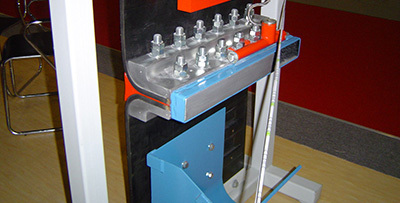
Bolt solid plate fasteners consist of steel plates with bolts and nuts, providing a strong and reliable connection. They are ideal for heavy-duty applications and can handle high tension and large loads.
Staple Fasteners
Staple fasteners use metal staples to secure the belt ends together. They are commonly used in light to medium-duty applications and offer a cost-effective solution.
Rivet Fasteners
Rivet fasteners utilize a combination of metal rivets and washers to connect the belt ends. They are suitable for belts with low to medium tension loads and offer a secure connection.
Alligator Fasteners
Alligator fasteners feature a hinged design and are easy to install or remove using a simple hammer. They are commonly used in light-duty applications but may require more frequent maintenance.
How to Properly Install Conveyor Belt Fasteners
Proper installation of conveyor belt fasteners is crucial to ensure their effectiveness and longevity. Follow these steps for a successful installation process:
Preparing the Conveyor Belt and Fasteners
1. Clean both belt ends and fasteners to remove any dirt, debris, or residue.
2. Trim any frayed or damaged edges to ensure a clean and secure connection.
Aligning and Positioning the Fasteners
1. Align the belt ends, ensuring they are parallel and properly positioned.
2. Mark reference points on both ends to guide fastener placement and alignment.
Securing the Fasteners
1. Insert the fasteners through the belt ends, following the manufacturer's instructions.
2. Tighten the bolts or close the fasteners securely, ensuring a tight and reliable connection.
Post-Installation Checks and Adjustments
1. Verify that the belt tension is properly adjusted to prevent excessive slack or tension.
2. Conduct a visual inspection to ensure all fasteners are securely fastened and aligned.
Frequently Asked Questions (FAQs)
1. How do conveyor belt fasteners enhance efficiency?
Conveyor belt fasteners enhance efficiency by securely connecting belt ends, preventing slippage, and maintaining proper tension and alignment. This ensures uninterrupted material flow, reduces downtime, and optimizes overall conveyor system performance.
2. Can conveyor belt fasteners work with different types of belts?
Yes, conveyor belt fasteners are designed to work with various belt materials, including rubber, PVC, and metal. It is essential to select fasteners compatible with the specific belt material to ensure a secure and reliable connection.
3. Are high-quality conveyor belt fasteners reusable?
Some high-quality conveyor belt fasteners are designed for reuse, allowing for easy installation, removal, and reinstallation. However, it is recommended to follow the manufacturer's guidelines and conduct regular inspections to ensure the fasteners' integrity.
4. What maintenance is required for conveyor belt fasteners?
Regular visual inspections are recommended to ensure the fasteners are securely fastened and aligned. Additionally, proper cleaning of the belt and fasteners helps prevent debris buildup and prolongs their lifespan.
5. Can conveyor belt fasteners withstand harsh environments?
Yes, conveyor belt fasteners are available in materials that can withstand harsh environments, including extreme temperatures, chemicals, and humidity. It is crucial to select fasteners specifically designed for the operating environment to ensure reliable performance.
Conclusion: Unlocking Efficiency with High-Quality Conveyor Belt Fasteners
In the industrial equipment and components industry, utilizing high-quality conveyor belt fasteners is essential for enhancing efficiency and optimizing operations. These fasteners provide secure, reliable connections that contribute to improved conveyor belt performance, operational efficiency, productivity, and overall safety.
By carefully considering factors such as material compatibility, strength, ease of installation, and environmental considerations, you can select the right conveyor belt fasteners for your specific application. Proper installation and regular maintenance further ensure their effectiveness and longevity.
Investing in high-quality conveyor belt fasteners not only unlocks efficiency but also guarantees smooth material transport, minimized downtime, and a secure working environment. Choose wisely and reap the benefits of enhanced productivity, optimized operations, and reliable conveyor belt performance.
Recommend News
Address
Address: No.82 Liangnong Road, Liangzhu street, Yuhang District, Hangzhou City, Zhejiang Province
Contact Information
Telephone:+86-571-88778905
Business consulting:+86-16657119700
Fax: +86-0571-88781967
Website
Website:www.hezikj.com
Official Mall:https://hzhlxjzp.1688.com/
Zip Code: 311113


Alibaba
Copyright © 2025 Hangzhou Hezi Technology Co., Ltd. | Powered by www.300.cn