




Hangzhou Hezi Technology Co., Ltd.




News Center
Hezi technology focuses on the research and development of "rapid seamless conveyor belt joint sleeve" innovative technology project

NEWS CENTER
News Details
Enhance Efficiency with Rubber Conveyor Belt Fasteners
Release time:
2023-11-20
Discover how rubber conveyor belt fasteners can revolutionize your industrial equipment and component assembly processes, boosting productivity and efficiency.
1. Introduction
2. Understanding Rubber Conveyor Belt Fasteners
3. Benefits of Using Rubber Conveyor Belt Fasteners
4. Types of Rubber Conveyor Belt Fasteners
5. How to Choose the Right Rubber Conveyor Belt Fasteners
6. Installation and Maintenance of Rubber Conveyor Belt Fasteners
7. Frequently Asked Questions (FAQs)
7.1. What are the advantages of using rubber conveyor belt fasteners?
7.2. Can rubber conveyor belt fasteners be used for different types of belts?
7.3. How long do rubber conveyor belt fasteners typically last?
7.4. Are rubber conveyor belt fasteners easy to install?
7.5. Can rubber conveyor belt fasteners withstand extreme operating conditions?
8. Conclusion
1. Introduction
In the fast-paced world of industrial equipment and component assembly, efficiency is key to success. One crucial aspect of optimizing efficiency is ensuring the proper functioning of conveyor belts. Rubber conveyor belt fasteners play a vital role in enhancing the performance and longevity of conveyor belts, ultimately streamlining processes and boosting productivity.
2. Understanding Rubber Conveyor Belt Fasteners
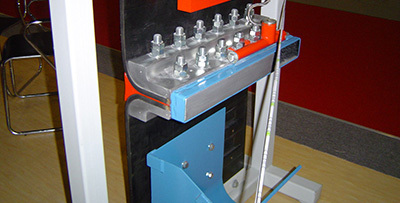
Rubber conveyor belt fasteners are specialized hardware components designed to securely join conveyor belts, preventing slippage and ensuring smooth movement of materials. These fasteners are made from high-quality rubber materials that provide excellent grip and durability.
3. Benefits of Using Rubber Conveyor Belt Fasteners
Using rubber conveyor belt fasteners offers numerous advantages for industrial operations. Firstly, they enhance the overall efficiency of conveyor systems by reducing downtime caused by belt slippage or detachment. This allows for uninterrupted workflow and increased productivity.
Additionally, rubber conveyor belt fasteners contribute to cost savings by minimizing the need for frequent belt replacements. The strong and secure connection provided by these fasteners ensures extended belt life, reducing maintenance and replacement expenses.
4. Types of Rubber Conveyor Belt Fasteners
There are several types of rubber conveyor belt fasteners available in the market, each designed for specific applications. Common types include hinged fasteners, solid plate fasteners, and bolt solid plate fasteners. These options cater to various belt thicknesses and tensions, providing flexibility and compatibility with different conveyor systems.
5. How to Choose the Right Rubber Conveyor Belt Fasteners
Selecting the appropriate rubber conveyor belt fasteners is crucial for optimal performance. Factors to consider include belt thickness, load capacity, operating conditions, and belt material. Consulting with experts or manufacturers can help determine the most suitable fasteners for specific industrial requirements.
6. Installation and Maintenance of Rubber Conveyor Belt Fasteners
Proper installation and maintenance of rubber conveyor belt fasteners are essential to ensure their effectiveness and longevity. Following manufacturer guidelines and using specialized tools for installation helps achieve secure and reliable connections. Regular inspections and maintenance routines also contribute to prolonging the lifespan of both the fasteners and the conveyor belts.
7. Frequently Asked Questions (FAQs)
7.1. What are the advantages of using rubber conveyor belt fasteners?
Rubber conveyor belt fasteners offer benefits such as increased efficiency, reduced downtime, extended belt life, and cost savings by minimizing maintenance and replacement expenses.
7.2. Can rubber conveyor belt fasteners be used for different types of belts?
Yes, rubber conveyor belt fasteners are designed to accommodate various belt thicknesses and tensions, making them suitable for different types of conveyor belts.
7.3. How long do rubber conveyor belt fasteners typically last?
The lifespan of rubber conveyor belt fasteners depends on various factors such as operating conditions, frequency of use, and maintenance practices. However, with proper installation and maintenance, they can last for an extended period.
7.4. Are rubber conveyor belt fasteners easy to install?
Rubber conveyor belt fasteners come with installation guidelines and specialized tools to facilitate the installation process. While professional assistance may be required for complex systems, the fasteners are generally easy to install.
7.5. Can rubber conveyor belt fasteners withstand extreme operating conditions?
Rubber conveyor belt fasteners are engineered to withstand a wide range of operating conditions, including extreme temperatures, heavy loads, and harsh environments. However, it is essential to choose the appropriate fasteners designed for specific conditions.
8. Conclusion
Rubber conveyor belt fasteners provide a reliable and efficient solution for enhancing the performance of industrial conveyor systems. By ensuring secure belt connections, these fasteners minimize downtime, extend belt life, and contribute to overall productivity and cost savings. Investing in high-quality rubber conveyor belt fasteners and following proper installation and maintenance practices can significantly enhance efficiency in industrial equipment and component assembly processes.
Recommend News
Address
Address: No.82 Liangnong Road, Liangzhu street, Yuhang District, Hangzhou City, Zhejiang Province
Contact Information
Telephone:+86-571-88778905
Business consulting:+86-16657119700
Fax: +86-0571-88781967
Website
Website:www.hezikj.com
Official Mall:https://hzhlxjzp.1688.com/
Zip Code: 311113


Alibaba
Copyright © 2025 Hangzhou Hezi Technology Co., Ltd. | Powered by www.300.cn