




Hangzhou Hezi Technology Co., Ltd.




News Center
Hezi technology focuses on the research and development of "rapid seamless conveyor belt joint sleeve" innovative technology project

NEWS CENTER
News Details
All You Need to Know About Rubber Conveyor Belt Fasteners
Release time:
2023-11-21
Discover the essential information about rubber conveyor belt fasteners in the industrial equipment and components industry. Find out how these fasteners work and their importance in connecting convey
Rubber conveyor belt fasteners play a crucial role in the assembly and maintenance of conveyor belts. In the industrial equipment and components industry, specifically in the fasteners and connectors category, these fasteners provide a reliable and efficient way of connecting conveyor belts. This article will delve into the details of rubber conveyor belt fasteners and shed light on their significance in the industry.
1. What are Rubber Conveyor Belt Fasteners?
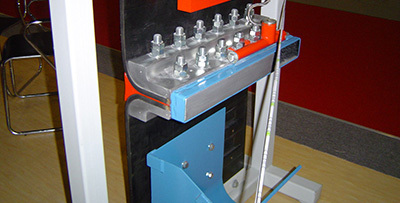
Rubber conveyor belt fasteners are mechanical devices used to join or connect two ends of a conveyor belt. They are designed to provide strong and durable connections, ensuring the smooth and continuous operation of conveyor systems. These fasteners are commonly made from high-quality rubber materials that offer excellent resistance to wear, tear, and corrosion.
2. How do Rubber Conveyor Belt Fasteners Work?
Rubber conveyor belt fasteners work by securely gripping the ends of a conveyor belt and holding them together. They typically consist of two or more plates with teeth or hooks that interlock when fastened. By inserting the belt ends between these plates and tightening the fasteners, a strong connection is formed. This connection allows the conveyor belt to effectively carry and transport materials without any disruptions.
3. Importance of Rubber Conveyor Belt Fasteners:
Rubber conveyor belt fasteners are essential for several reasons:
- Secure and Reliable: These fasteners provide a secure and reliable connection between conveyor belt ends, preventing slip or separation during operation.
- Increased Efficiency: By maintaining a strong connection, rubber conveyor belt fasteners contribute to the efficient movement and transfer of materials along the conveyor belt.
- Reduced Downtime: The use of reliable fasteners minimizes downtime caused by belt misalignment or detachment, leading to increased productivity in industrial processes.
- Easy Installation and Maintenance: Rubber conveyor belt fasteners are designed for easy installation and maintenance. They allow for quick repairs or replacements, saving time and effort.
In conclusion, rubber conveyor belt fasteners are indispensable components in the industrial equipment and components industry. Their ability to securely connect conveyor belt ends ensures the smooth operation of conveyor systems, enhancing efficiency and reducing downtime. Understanding the importance of these fasteners is crucial for businesses in the industry, as it enables them to make informed decisions regarding their conveyor belt assembly and maintenance needs.
Recommend News
Address
Address: No.82 Liangnong Road, Liangzhu street, Yuhang District, Hangzhou City, Zhejiang Province
Contact Information
Telephone:+86-571-88778905
Business consulting:+86-16657119700
Fax: +86-0571-88781967
Website
Website:www.hezikj.com
Official Mall:https://hzhlxjzp.1688.com/
Zip Code: 311113


Alibaba
Copyright © 2025 Hangzhou Hezi Technology Co., Ltd. | Powered by www.300.cn