




Hangzhou Hezi Technology Co., Ltd.




News Center
Hezi technology focuses on the research and development of "rapid seamless conveyor belt joint sleeve" innovative technology project

NEWS CENTER
News Details
Rubber Conveyor Belt Fastener – Reliable Connection for Continuous Material Handling
Release time:
2026-02-12
A conveyor rubber belt fastener securely joins belt ends, ensuring smooth operation and continuous material transport.
A rubber conveyor belt fastener is a critical mechanical component designed to join the ends of a conveyor belt securely, ensuring smooth and uninterrupted material transport in various industrial applications. Conveyor systems are widely used in industries such as mining, metallurgy, logistics, food processing, and manufacturing to move bulk materials efficiently. The integrity of the conveyor belt connection is vital for operational efficiency, safety, and cost-effectiveness.
Rubber conveyor belts are flexible and durable, capable of handling heavy loads, abrasive materials, and varying environmental conditions. However, over time, belt ends require reliable joining mechanisms to maintain continuous operation without causing slippage, misalignment, or downtime. This is where rubber conveyor belt fasteners come into play. They provide a robust and practical solution for splicing belt ends, accommodating both temporary and permanent installations.
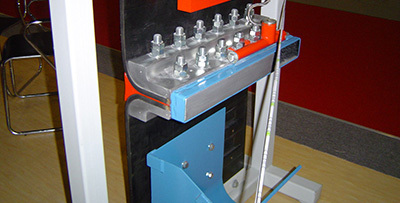
The fasteners are typically made from high-strength steel or alloy materials, combined with corrosion-resistant coatings to withstand harsh industrial environments. The design includes metal cleats or plates, bolts, and sometimes hooks, which clamp the rubber belt ends tightly. There are several types of fasteners, including mechanical fasteners, hinge-type fasteners, and bolt-type fasteners. Each type offers specific advantages depending on the conveyor belt’s thickness, width, and application requirements.
Installation of rubber conveyor belt fasteners requires precision to ensure the belt remains aligned and tensioned correctly. Proper installation reduces the risk of belt damage, prolongs the belt’s service life, and minimizes production interruptions. Fasteners must also be inspected regularly for wear, bolt tightness, and overall integrity. Modern fasteners often feature modular designs, making maintenance and replacement more convenient without removing the entire belt from the conveyor system.
In addition to industrial performance, rubber conveyor belt fasteners are designed for safety. They prevent sudden belt separation that could lead to accidents, equipment damage, or production loss. High-quality fasteners also reduce vibration and noise during operation, contributing to a safer and more comfortable working environment.
Selecting the appropriate fastener involves evaluating the conveyor’s load capacity, belt type, operating speed, and environmental conditions. Factors such as temperature, moisture, and exposure to chemicals can influence fastener choice. Manufacturers provide detailed specifications and guidelines to match fasteners to specific belt applications, ensuring optimal performance and longevity.
In summary, rubber conveyor belt fasteners are indispensable in industrial material handling, offering secure, durable, and efficient solutions for joining belt ends. They enhance operational efficiency, reduce downtime, and ensure safety in a wide range of industries. Proper selection, installation, and maintenance of these fasteners are essential for maximizing the conveyor system’s performance and extending the lifespan of both the belt and the fasteners themselves.
Recommend News
Address
Address: No.82 Liangnong Road, Liangzhu street, Yuhang District, Hangzhou City, Zhejiang Province
Contact Information
Telephone:+86-571-88778905
Business consulting:+86-16657119700
Fax: +86-0571-88781967
Website
Website:www.hezikj.com
Official Mall:https://hzhlxjzp.1688.com/
Zip Code: 311113


Alibaba
Copyright © 2025 Hangzhou Hezi Technology Co., Ltd. | Powered by www.300.cn