




Hangzhou Hezi Technology Co., Ltd.




News Center
Hezi technology focuses on the research and development of "rapid seamless conveyor belt joint sleeve" innovative technology project

NEWS CENTER
News Details
Understanding Conveyor Belt Fasteners: Essential Components for Efficient Material Handling
Release time:
2026-10-06
Conveyor belts are an integral part of various industrial processes, particularly in the chemical and rubber sectors. They are designed to transport materials efficiently, and one of the essential components that ensure their reliability and longevity is the conveyor belt fastener. Understanding the different types of fasteners, their applications, and how they contribute to conveyor performance c
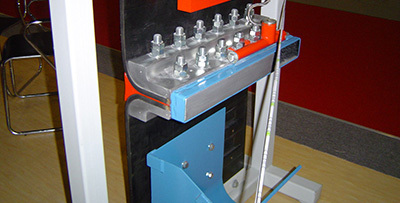
Conveyor belt fasteners are mechanical devices used to join the ends of a conveyor belt together, forming a continuous loop. This seamless operation is crucial for maintaining the flow of materials in a production line. Fasteners come in various designs, each tailored to specific applications and materials. The choice of fastener can significantly impact the overall performance of the conveyor system, including its durability and resistance to wear and tear.
One common type of conveyor belt fastener is the mechanical fastener, which includes options like metal clips and hooks. These fasteners are favored for their ease of installation and ability to create a strong bond between belt ends. They are particularly suitable for belts that require frequent maintenance or replacement, as they enable quick and efficient belt repairs without the need for specialized tools.
Another category is the vulcanized fastener, often used in rubber conveyor belts. This method involves chemically bonding the belt ends together, resulting in a more robust and seamless connection. Vulcanized fasteners are known for their strength and longevity, making them ideal for high-load applications. However, the installation process can be more time-consuming and may require professional expertise.
In addition to their types, it's essential to consider the environmental conditions in which conveyor belts operate. Factors such as temperature fluctuations, exposure to chemicals, and heavy loads can influence the effectiveness of the fasteners. Therefore, selecting the appropriate conveyor belt fastener that can withstand these conditions is vital for minimizing downtime and maintenance costs.
Moreover, regular inspection and maintenance of both conveyor belts and fasteners are necessary to ensure optimal performance. Over time, wear and tear can compromise the integrity of the fasteners, leading to potential failures that disrupt production. Implementing a proactive maintenance schedule can help identify issues early and prolong the life of both the conveyor belt and its fasteners.
In conclusion, conveyor belt fasteners play a crucial role in the effectiveness of conveyor systems in the chemical and rubber industries. By understanding their functions, types, and maintenance needs, businesses can enhance their operational efficiency and reduce downtime. Whether opting for mechanical or vulcanized fasteners, making informed decisions will ensure that the conveyor systems continue to run smoothly and reliably.
Previous Page
Previous Page
Recommend News
Address
Address: No.82 Liangnong Road, Liangzhu street, Yuhang District, Hangzhou City, Zhejiang Province
Contact Information
Telephone:+86-571-88778905
Business consulting:+86-16657119700
Fax: +86-0571-88781967
Website
Website:www.hezikj.com
Official Mall:https://hzhlxjzp.1688.com/
Zip Code: 311113


Alibaba
Copyright © 2025 Hangzhou Hezi Technology Co., Ltd. | Powered by www.300.cn