




Hangzhou Hezi Technology Co., Ltd.




News Center
Hezi technology focuses on the research and development of "rapid seamless conveyor belt joint sleeve" innovative technology project

NEWS CENTER
News Details
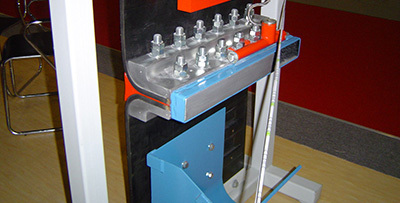
Essential Insights on Belt Fasteners in the Rubber Industry
Release time:
2026-08-01
Belt fasteners play an indispensable role in the rubber industry, especially within the manufacturing of various rubber products. These fasteners are essential for connecting and securing rubber belts, which are widely utilized in various industrial applications, from conveyor systems to machinery. Understanding the significance of selecting the right belt fastener is vital for ensuring the longev
When choosing a belt fastener, one must consider several crucial factors. Firstly, the material of the fastener should be compatible with the rubber being used. Common materials include stainless steel, which offers excellent corrosion resistance, and other alloys designed to withstand harsh environments. The choice of material impacts not only durability but also the performance of the rubber product in various applications.
Different types of belt fasteners are available, each suited for specific applications. For instance, mechanical fasteners, such as lacing and clamps, are commonly utilized due to their ease of installation and maintenance. They provide a secure connection, allowing for quick replacements in case of wear or damage. On the other hand, vulcanized or bonded fasteners offer a more permanent solution, ideal for high-load applications where minimal slippage is required. Selecting the appropriate fastener type hinges on the operational demands and environmental factors the belt will encounter.
In addition to material and type, the installation process of belt fasteners is critical. Proper installation ensures that the fasteners function effectively and extend the life of the belt. It is recommended to follow manufacturer guidelines meticulously during installation to avoid common pitfalls, such as misalignment or improper tensioning. Regular maintenance checks should also be conducted to identify any wear or potential failures, enabling proactive measures to be taken before significant issues arise.
Furthermore, understanding the specific requirements of your application is essential when selecting a belt fastener. Factors such as load capacity, speed, and environmental conditions should influence your decision. For instance, in high-speed operations, a fastener that minimizes vibration and keeps the belt securely in place is essential to prevent premature wear.
In summary, belt fasteners are a crucial component in the rubber industry, impacting the overall performance and reliability of rubber products. By carefully considering material compatibility, fastener types, and installation practices, professionals can significantly improve the durability and functionality of their rubber applications. This attention to detail not only enhances product quality but also contributes to operational efficiency, ultimately benefiting the bottom line.
Recommend News
Address
Address: No.82 Liangnong Road, Liangzhu street, Yuhang District, Hangzhou City, Zhejiang Province
Contact Information
Telephone:+86-571-88778905
Business consulting:+86-16657119700
Fax: +86-0571-88781967
Website
Website:www.hezikj.com
Official Mall:https://hzhlxjzp.1688.com/
Zip Code: 311113


Alibaba
Copyright © 2025 Hangzhou Hezi Technology Co., Ltd. | Powered by www.300.cn