




Hangzhou Hezi Technology Co., Ltd.




News Center
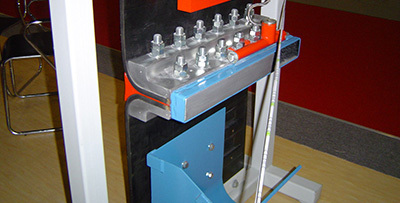
Hezi technology focuses on the research and development of "rapid seamless conveyor belt joint sleeve" innovative technology project

NEWS CENTER
News Details
Understanding Conveyor Belt Joints in the Chemical Rubber Industry
Release time:
2026-07-14
Conveyor belts play a vital role in industries like chemical processing and rubber manufacturing, where the transportation of materials is crucial. A significant component of conveyor systems is the conveyor belt joint, which connects two ends of a belt to create a continuous loop. Understanding the various types of joints and their implications can greatly enhance operational efficiency and relia
Conveyor belt joints can be classified into two primary categories: mechanical joints and vulcanized joints. Mechanical joints involve the use of fasteners or clamps to connect the ends of the belt. They are often easier and quicker to install, making them suitable for temporary setups or applications where frequent belt changes are needed. However, mechanical joints can sometimes lead to misalignment and may not withstand the same stress levels as vulcanized joints.
On the other hand, vulcanized joints involve a chemical process that bonds the ends of the conveyor belt at high temperature and pressure, creating a seamless and durable connection. This method is generally preferred in environments requiring high durability and strength, such as in the chemical rubber industry, where resistance to harsh chemicals and temperature fluctuations is crucial. Although the process is more time-consuming and requires specialized equipment, the end result is a joint that offers superior strength and longevity.
In addition to the type of joint, the method of installation plays a significant role in the performance of the conveyor belt system. Proper alignment is essential to prevent premature wear and to ensure the smooth operation of the conveyor. Regular maintenance checks on the joints can help identify any signs of wear and tear, allowing for timely interventions that can prevent more significant issues down the road.
Furthermore, it is important to consider the compatibility of the selected joint type with the materials being transported. For instance, certain chemicals may degrade the joint material over time, leading to potential failures. Therefore, selecting the right joint and maintaining it properly is essential for minimizing downtime and ensuring the longevity of the conveyor belt system.
Overall, understanding the various aspects of conveyor belt joints is critical for professionals in the chemical rubber industry. By choosing the appropriate joint type and adopting effective maintenance strategies, businesses can significantly enhance their operational performance and reduce costs associated with conveyor system failures.
Previous Page
Previous Page
Recommend News
Address
Address: No.82 Liangnong Road, Liangzhu street, Yuhang District, Hangzhou City, Zhejiang Province
Contact Information
Telephone:+86-571-88778905
Business consulting:+86-16657119700
Fax: +86-0571-88781967
Website
Website:www.hezikj.com
Official Mall:https://hzhlxjzp.1688.com/
Zip Code: 311113


Alibaba
Copyright © 2025 Hangzhou Hezi Technology Co., Ltd. | Powered by www.300.cn