




Hangzhou Hezi Technology Co., Ltd.




News Center
Hezi technology focuses on the research and development of "rapid seamless conveyor belt joint sleeve" innovative technology project

NEWS CENTER
News Details
Understanding Rubber Conveyor Belt Connectors: Types, Applications, and Benefits
Release time:
2026-07-08
Rubber conveyor belt connectors are essential components used to join two sections of conveyor belts, ensuring a smooth and continuous flow of materials. These connectors are particularly important in the chemical industry, where they facilitate the movement of various substances, ranging from raw materials to finished products. One of the most common types of rubber conveyor belt connectors is th
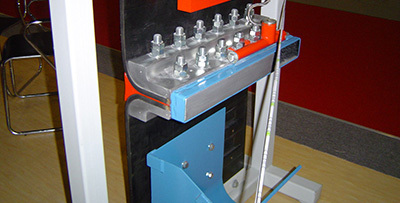
One of the most common types of rubber conveyor belt connectors is the mechanical splice. This method involves using metal fasteners to connect the ends of the conveyor belts securely. Mechanical splices are favored for their durability and strength, making them suitable for heavy-duty applications. They can withstand varying loads and are less likely to wear out quickly, which is crucial in maintaining operational efficiency.
Another widely used connector type is the vulcanized splice. This method requires adhering the belt ends together using heat and pressure, creating a seamless joint that is strong and resistant to wear. Vulcanized splices are often preferred in applications where a smooth surface is necessary to minimize material spillage and enhance the overall performance of the conveyor system. Additionally, this type of splice can be tailored to fit specific belt materials, which enhances compatibility and longevity.
Choosing the right rubber conveyor belt connector is essential for optimizing operational efficiency. Factors such as the type of material being transported, the environmental conditions, and the load capacity should all be considered. For instance, in the chemical industry, where corrosive substances may be involved, connectors must be resistant to chemical degradation to ensure long-term use without compromising safety.
Moreover, the installation and maintenance of rubber conveyor belt connectors are critical. Proper installation ensures that the connectors perform as intended, reducing the risk of failures that can lead to costly downtimes. Regular inspections and maintenance can help identify wear and tear, allowing for timely replacements and repairs, which is vital in maintaining a smooth production flow.
In summary, understanding the various types of rubber conveyor belt connectors, their applications, and associated benefits is crucial for businesses in the chemical industry. By selecting the appropriate connectors and ensuring their proper installation and maintenance, companies can significantly improve their material handling processes, reduce operational costs, and enhance overall productivity. Investing in high-quality connectors is a strategic move that pays off in the long run, making the conveyor system more efficient and resilient in the face of everyday challenges.
Recommend News
Address
Address: No.82 Liangnong Road, Liangzhu street, Yuhang District, Hangzhou City, Zhejiang Province
Contact Information
Telephone:+86-571-88778905
Business consulting:+86-16657119700
Fax: +86-0571-88781967
Website
Website:www.hezikj.com
Official Mall:https://hzhlxjzp.1688.com/
Zip Code: 311113


Alibaba
Copyright © 2025 Hangzhou Hezi Technology Co., Ltd. | Powered by www.300.cn