




Hangzhou Hezi Technology Co., Ltd.




News Center
Hezi technology focuses on the research and development of "rapid seamless conveyor belt joint sleeve" innovative technology project

NEWS CENTER
News Details
Understanding Conveyor Rubber Belt Fasteners: Essential Insights for the Chemical Industry
Release time:
2026-06-26
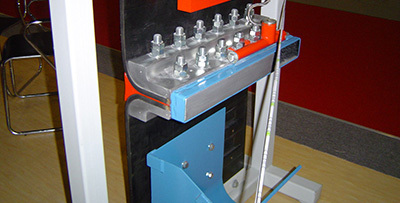
Conveyor rubber belt fasteners play a crucial role in the operation of conveyor systems, particularly in the chemical sector where the reliable transport of materials is essential. These fasteners are designed to connect the ends of rubber belts, creating a continuous loop that allows for the smooth movement of bulk materials. Understanding the different types of fasteners, their applications, and
There are several types of conveyor rubber belt fasteners available in the market, including mechanical fasteners, vulcanized splices, and adhesive splices. Mechanical fasteners are often preferred for their ease of installation and the ability to be replaced without dismantling the entire conveyor system. These fasteners come in various designs, such as clamps and lacing systems, each offering unique advantages based on the operational requirements.
Vulcanized splices, on the other hand, involve a more complex installation process, requiring heat and pressure to bond the rubber ends together. While this method can provide a stronger and more durable connection, it often demands more downtime during installation. Adhesive splices are an alternative that utilizes industrial-grade adhesives to create a bond, offering a balance between strength and installation efficiency. Each method has its own set of benefits and considerations, which should be evaluated based on the specific application and operational demands.
When selecting conveyor rubber belt fasteners, it is crucial to consider factors such as the type of materials being transported, the conveyor speed, and the environmental conditions where the system operates. For instance, certain fasteners may be more suitable for abrasive materials, while others are designed to withstand chemical exposure. The choice of fastener can directly influence the reliability and maintenance of the conveyor system, making it essential for professionals to conduct thorough assessments before making a selection.
Installation of conveyor rubber belt fasteners must be carried out with precision and care to ensure proper alignment and secure attachment. Misalignment can lead to increased wear and tear on the conveyor system, potentially resulting in costly downtimes and repairs. Therefore, training for personnel on installation techniques and regular maintenance checks is vital to sustaining optimal performance.
In conclusion, understanding conveyor rubber belt fasteners is essential for professionals in the chemical and rubber industries. By carefully selecting and installing the appropriate fasteners, businesses can enhance the efficiency, safety, and longevity of their conveyor systems, ultimately contributing to improved operational productivity.
Previous Page
Previous Page
Recommend News
Address
Address: No.82 Liangnong Road, Liangzhu street, Yuhang District, Hangzhou City, Zhejiang Province
Contact Information
Telephone:+86-571-88778905
Business consulting:+86-16657119700
Fax: +86-0571-88781967
Website
Website:www.hezikj.com
Official Mall:https://hzhlxjzp.1688.com/
Zip Code: 311113


Alibaba
Copyright © 2025 Hangzhou Hezi Technology Co., Ltd. | Powered by www.300.cn