




Hangzhou Hezi Technology Co., Ltd.




News Center
Hezi technology focuses on the research and development of "rapid seamless conveyor belt joint sleeve" innovative technology project

NEWS CENTER
News Details
Understanding Conveyor Belt Joints: A Key Component in Chemical and Rubber Industries
Release time:
2026-03-12
Conveyor belts are integral to various industrial processes, particularly in the chemical and rubber sectors, where they facilitate the movement of materials efficiently. One of the most critical aspects of conveyor belts is their joints, which are essential for ensuring the continuous operation of these systems. Understanding conveyor belt joints can significantly impact productivity, safety, and
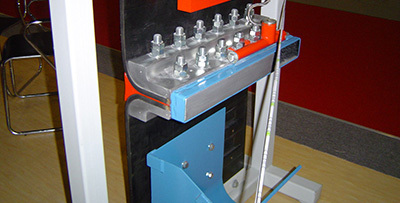
Conveyor belt joints can be categorized into two primary types: mechanical joints and vulcanized joints. Mechanical joints involve the use of fasteners to connect belt ends together. These joints are relatively easy to install and replace, making them a popular choice for temporary or quickly adjustable applications. However, mechanical joints may be less durable and can wear out faster under heavy loads or harsh chemical conditions.
On the other hand, vulcanized joints involve a chemical bonding process that fuses the belt ends together. This method creates a seamless joint, which is typically more durable and resistant to environmental factors, such as chemicals and temperature fluctuations. Vulcanized joints are particularly beneficial in applications where belts are subjected to heavy loads and continuous use. While the installation process may be more complex and time-consuming, the long-term benefits often outweigh the initial effort required.
Additionally, the choice of conveyor belt joint can significantly affect maintenance practices. Regular inspection of joints is crucial, as damaged or worn joints can lead to belt misalignment, increased wear, and potential breakdowns. Implementing a routine maintenance schedule that includes checking joint integrity can prevent costly downtime and extend the lifespan of the conveyor belt system.
Furthermore, understanding the specific requirements of your application is vital when selecting the appropriate joint type. Factors such as the types of materials being transported, operating conditions, and required load capacities should inform your decision. By doing so, you can optimize your conveyor system's performance and efficiency.
In conclusion, conveyor belt joints are a critical component in the operation of conveyor systems, especially in the chemical and rubber industries. Whether you choose mechanical or vulcanized joints, understanding their characteristics and proper maintenance can lead to improved productivity and reduced operational risks. By prioritizing the quality and integrity of conveyor belt joints, professionals in these sectors can enhance the reliability of their processes and contribute to overall operational success.
Recommend News
Address
Address: No.82 Liangnong Road, Liangzhu street, Yuhang District, Hangzhou City, Zhejiang Province
Contact Information
Telephone:+86-571-88778905
Business consulting:+86-16657119700
Fax: +86-0571-88781967
Website
Website:www.hezikj.com
Official Mall:https://hzhlxjzp.1688.com/
Zip Code: 311113


Alibaba
Copyright © 2025 Hangzhou Hezi Technology Co., Ltd. | Powered by www.300.cn