




Hangzhou Hezi Technology Co., Ltd.




News Center
Hezi technology focuses on the research and development of "rapid seamless conveyor belt joint sleeve" innovative technology project

NEWS CENTER
News Details
Understanding Conveyor Rubber Belt Fasteners: Essential Insights for the Chemical and Rubber Industry
Release time:
2026-02-22
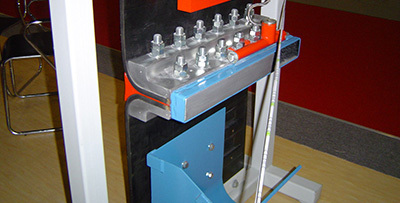
Conveyor rubber belt fasteners are vital components that serve to join two ends of a conveyor belt, ensuring that the belt functions effectively in various applications, particularly within chemical and rubber manufacturing settings. These fasteners can significantly influence the overall performance and longevity of conveyor systems, making it essential for professionals in the industry to have a
There are several types of conveyor rubber belt fasteners available, each designed to cater to specific operational requirements. Common types include mechanical fasteners, which are widely used due to their ease of installation and maintenance. Mechanical fasteners can be further categorized into hinged plates, clamps, and metal clips, each offering unique advantages that can be selected based on the operational demands.
Another popular option is vulcanized fasteners, which involve the bonding of the belt ends through heat and pressure. This method provides a seamless joint that can withstand high tension and abrasive conditions, thereby extending the lifespan of the conveyor belt. Vulcanized joints are often implemented in environments that require high durability and reliability, making them suitable for transporting heavy or abrasive materials.
When selecting the appropriate conveyor rubber belt fastener, several factors should be taken into consideration. First, it is crucial to assess the operational environment, including temperature variations, humidity, and exposure to chemicals. These environmental factors can affect the integrity of different fastener types, influencing their performance over time.
Additionally, the type of materials being transported is another key consideration. For instance, if the conveyor system is used to handle sharp or heavy materials, opting for a more robust fastening solution, such as vulcanized fasteners, may be advantageous. Understanding the specific requirements of your application will guide you in choosing the most suitable fastener.
Furthermore, proper installation and maintenance of conveyor rubber belt fasteners are essential for ensuring optimal performance. Regular inspections and timely repairs can prevent unexpected downtime and costly disruptions in the production process. Training personnel on best practices for handling and maintaining conveyor systems can also contribute to a more efficient operation.
In conclusion, conveyor rubber belt fasteners play a critical role in the effective functioning of conveyor systems within the chemical and rubber industry. By understanding the types, applications, and best practices associated with these fasteners, professionals can enhance the reliability and efficiency of their operations, leading to improved productivity and reduced costs.
Recommend News
Address
Address: No.82 Liangnong Road, Liangzhu street, Yuhang District, Hangzhou City, Zhejiang Province
Contact Information
Telephone:+86-571-88778905
Business consulting:+86-16657119700
Fax: +86-0571-88781967
Website
Website:www.hezikj.com
Official Mall:https://hzhlxjzp.1688.com/
Zip Code: 311113


Alibaba
Copyright © 2025 Hangzhou Hezi Technology Co., Ltd. | Powered by www.300.cn