




Hangzhou Hezi Technology Co., Ltd.




News Center
Hezi technology focuses on the research and development of "rapid seamless conveyor belt joint sleeve" innovative technology project

NEWS CENTER
News Details
Understanding Rubber Conveyor Belt Connectors: Key Insights for Professionals
Release time:
2026-02-04
Rubber conveyor belt connectors play a vital role in the efficient functioning of conveyor systems, especially in sectors such as chemicals and rubber manufacturing. These connectors are designed to join two ends of a conveyor belt, ensuring continuous operation and minimal downtime. Understanding the intricacies involved in rubber conveyor belt connectors can significantly impact the overall perf
One of the primary materials used in the manufacturing of rubber conveyor belt connectors is high-quality rubber, which provides flexibility and durability. The connectors are engineered to withstand heavy loads, abrasions, and varying temperatures, making them suitable for diverse industrial applications. The choice of rubber type can influence the connector's performance, with options such as natural rubber, synthetic rubber, or a composite of both being available.
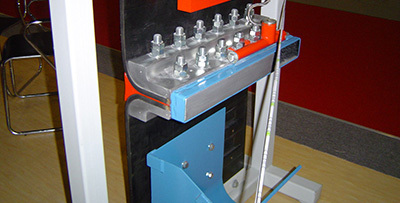
The design of rubber conveyor belt connectors varies depending on the specific requirements of the conveyor system. Common designs include mechanical connectors, which utilize metal or plastic components to create a secure joint, and vulcanized connectors, which involve chemically bonding the ends of the belt together. Mechanical connectors are easier to install and repair but may not offer the same level of strength and reliability as vulcanized options. On the other hand, vulcanized connectors require more specialized equipment and expertise for installation but provide a seamless bond that enhances the operational efficiency of the conveyor.
When selecting a rubber conveyor belt connector, several factors need to be considered. The intended use of the conveyor system, the type of materials being transported, and the environmental conditions all influence the choice of connectors. For instance, in chemical processing environments where exposure to harsh substances is common, connectors made from resistant materials are essential to prevent degradation over time.
Proper maintenance and monitoring of rubber conveyor belt connectors are imperative for ensuring their longevity and performance. Regular inspections can help identify signs of wear, misalignment, or damage, allowing for timely interventions before more significant issues arise. Additionally, educating employees on the importance of maintaining these connectors can enhance operational efficiency and reduce the likelihood of unexpected breakdowns.
In conclusion, rubber conveyor belt connectors are crucial components that significantly affect the performance of conveyor systems in the chemical and rubber industries. By understanding their design, functionality, and maintenance requirements, professionals can make informed decisions that enhance operational efficiency and contribute to the overall productivity of their facilities.
Recommend News
Address
Address: No.82 Liangnong Road, Liangzhu street, Yuhang District, Hangzhou City, Zhejiang Province
Contact Information
Telephone:+86-571-88778905
Business consulting:+86-16657119700
Fax: +86-0571-88781967
Website
Website:www.hezikj.com
Official Mall:https://hzhlxjzp.1688.com/
Zip Code: 311113


Alibaba
Copyright © 2025 Hangzhou Hezi Technology Co., Ltd. | Powered by www.300.cn