




Hangzhou Hezi Technology Co., Ltd.




News Center
Hezi technology focuses on the research and development of "rapid seamless conveyor belt joint sleeve" innovative technology project

NEWS CENTER
News Details
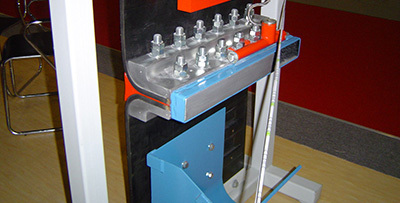
Understanding Belt Fasteners: Essential Components for the Rubber Industry
Release time:
2025-12-29
Belt fasteners are vital components used to join the ends of conveyor belts, which are commonly found in various industries, including the rubber sector. Their primary function is to ensure the seamless transportation of materials while maintaining belt integrity. Given the harsh operating conditions typical of the chemical and rubber industries, it is crucial to choose the right belt fasteners to
There are several types of belt fasteners available, each suited for different applications. The most common types include mechanical fasteners, which are easy to install and maintain, and vulcanized joints, which involve chemically bonding the belt ends together. Mechanical fasteners, such as clamps and buckles, offer the advantage of quick installation and repair, making them ideal for temporary or emergency situations. In contrast, vulcanized joints provide a more permanent solution, offering enhanced durability and resistance to extreme temperatures and chemicals.
When selecting belt fasteners, several factors must be taken into consideration. First and foremost, it is essential to assess the specific application requirements, including the type of materials being transported and the environmental conditions. For instance, if the belt is subjected to heavy loads, choosing robust fasteners that can withstand high tensile strength is imperative. Additionally, compatibility with the belt material is crucial; fasteners should not induce damage or wear to the belt itself.
Another important consideration is the ease of installation and maintenance. Fasteners that can be quickly installed and require minimal tools can significantly reduce downtime during belt repairs or replacements. It's also advisable to consider the availability of spare parts and support from manufacturers to ensure a smooth operational flow.
Regular maintenance of belt fasteners is essential for optimal performance. This includes periodic inspections for signs of wear, corrosion, or damage. Proper alignment and tensioning of the belt can also prolong the life of the fasteners and the belt itself. By implementing a proactive maintenance schedule, businesses can avoid unexpected breakdowns and costly repairs.
In conclusion, understanding the functionality and selection process of belt fasteners is crucial for professionals in the rubber and chemical industries. By choosing the right type of fasteners tailored to specific applications and conducting regular maintenance, businesses can enhance operational efficiency and ensure reliable material transport. As technology continues to advance, staying informed about new developments in belt fastening solutions will further empower industry professionals to optimize their processes.
Recommend News
Address
Address: No.82 Liangnong Road, Liangzhu street, Yuhang District, Hangzhou City, Zhejiang Province
Contact Information
Telephone:+86-571-88778905
Business consulting:+86-16657119700
Fax: +86-0571-88781967
Website
Website:www.hezikj.com
Official Mall:https://hzhlxjzp.1688.com/
Zip Code: 311113


Alibaba
Copyright © 2025 Hangzhou Hezi Technology Co., Ltd. | Powered by www.300.cn