




Hangzhou Hezi Technology Co., Ltd.




News Center
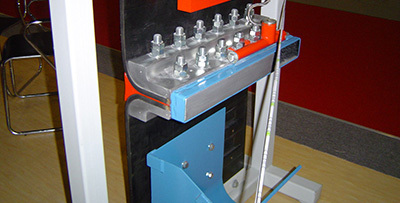
Hezi technology focuses on the research and development of "rapid seamless conveyor belt joint sleeve" innovative technology project

NEWS CENTER
News Details
Choosing the Right Rubber Conveyor Belt Fastener for Your Industrial Equipment
Release time:
2023-10-10
Discover the Key Factors to Consider When Selecting the Perfect Rubber Conveyor Belt Fastener for Your Industrial Machinery
1. Introduction: Importance of Choosing the Right Rubber Conveyor Belt Fastener
2. Understanding Rubber Conveyor Belt Fasteners
3. Factors to Consider When Selecting a Rubber Conveyor Belt Fastener
3.1. Belt Type and Material
3.2. Strength and Durability
3.3. Size and Compatibility
3.4. Installation and Maintenance
3.5. Cost-Effectiveness
3.6. Environmental Considerations
3.7. Safety Features
3.8. Supplier Reputation and Support
4. Different Types of Rubber Conveyor Belt Fasteners
4.1. Alligator Lacing
4.2. Clipper Lacing
4.3. Staple Fasteners
4.4. Bolt Solid Plate Fasteners
4.5. Rivet Hinged Fasteners
4.6. Flexco Bolt Fasteners
5. FAQs about Choosing Rubber Conveyor Belt Fasteners
5.1. What are the benefits of using rubber conveyor belt fasteners?
5.2. How do I determine the size of the fasteners needed for my conveyor belt?
5.3. Are rubber conveyor belt fasteners suitable for all types of industrial equipment?
5.4. Can I install the fasteners myself, or should I seek professional help?
5.5. How long do rubber conveyor belt fasteners typically last?
6. Conclusion
1. Introduction: Importance of Choosing the Right Rubber Conveyor Belt Fastener
When it comes to industrial equipment, the performance and longevity of your rubber conveyor belt depend heavily on the type of fastener used. A properly chosen rubber conveyor belt fastener ensures secure and efficient operation, minimizing downtime, and maximizing productivity. In this article, we will guide you through the process of selecting the right fastener for your industrial equipment.
2. Understanding Rubber Conveyor Belt Fasteners
Rubber conveyor belt fasteners are specialized components that securely join conveyor belts together, allowing them to function as a continuous loop. These fasteners come in various types, each designed for specific applications and belt characteristics.
3. Factors to Consider When Selecting a Rubber Conveyor Belt Fastener
3.1. Belt Type and Material
The type and material of your conveyor belt play a crucial role in determining the appropriate fastener. Different belts, such as fabric, PVC, or rubber, require specific fasteners that can withstand the belt's tension and material properties.
3.2. Strength and Durability
Consider the load-carrying capacity and durability requirements of your industrial equipment. Choose a fastener that can handle the anticipated workload, ensuring it won't break or cause unexpected downtime.
3.3. Size and Compatibility
Ensure the fastener size matches the belt thickness and width. Additionally, check the compatibility of the fastener with your specific conveyor system, considering factors like pulley diameter and spacing.
3.4. Installation and Maintenance
Evaluate the ease of installation and maintenance procedures associated with different fastener options. Opt for fasteners that offer convenient installation methods and require minimal maintenance, reducing operational disruptions.
3.5. Cost-Effectiveness
While cost is an important consideration, it should not be the sole determining factor. Balancing the initial investment with long-term benefits and durability is crucial to ensure a cost-effective solution.
3.6. Environmental Considerations
Assess the environmental conditions in which your conveyor operates. Some fasteners are more resistant to extreme temperatures, moisture, or chemicals, making them better suited for specific environments.
3.7. Safety Features
Prioritize the safety of your operators by choosing fasteners that comply with safety regulations and minimize the risk of accidents or injuries. Look for features like locking mechanisms or non-slip surfaces.
3.8. Supplier Reputation and Support
Partner with reputable suppliers who offer reliable products and excellent customer support. A trusted supplier can provide guidance, expertise, and assistance throughout the selection and installation process.
4. Different Types of Rubber Conveyor Belt Fasteners
4.1. Alligator Lacing
Alligator lacing is a popular choice for joining thick, heavy-duty conveyor belts. It features a strong and secure interlocking design that withstands high tension and ensures a firm grip on the belt.
4.2. Clipper Lacing
Clipper lacing is suitable for light to medium-duty conveyor belts. Its simple installation process allows for easy maintenance and repairs, making it an efficient choice for industries with frequent belt changes.
4.3. Staple Fasteners
Staple fasteners are ideal for temporary or portable conveyor belts. They offer quick installation and removal, making them convenient for applications that require frequent assembly and disassembly.
4.4. Bolt Solid Plate Fasteners
Bolt solid plate fasteners provide exceptional strength and stability for heavy-duty conveyor belts. They require minimal maintenance and offer excellent resistance to impact and abrasion.
4.5. Rivet Hinged Fasteners
Rivet hinged fasteners are suitable for belts with small pulley diameters. They provide a strong and flexible joint, ensuring consistent performance even in demanding applications.
4.6. Flexco Bolt Fasteners
Flexco bolt fasteners are versatile and suitable for a wide range of conveyor belt types and sizes. They offer reliable performance and easy installation, making them a popular choice across industries.
5. FAQs about Choosing Rubber Conveyor Belt Fasteners
5.1. What are the benefits of using rubber conveyor belt fasteners?
Rubber conveyor belt fasteners enhance operational efficiency, reduce downtime, and improve worker safety. They provide a secure joint, allowing the conveyor belt to function smoothly and reliably.
5.2. How do I determine the size of the fasteners needed for my conveyor belt?
To determine the correct fastener size, measure the belt's thickness and width. Consult the manufacturer's guidelines or seek expert advice to ensure an accurate selection.
5.3. Are rubber conveyor belt fasteners suitable for all types of industrial equipment?
Rubber conveyor belt fasteners are available in a variety of types, making them suitable for a wide range of industrial equipment. However, it is essential to consider the specific requirements of your equipment and consult with experts if needed.
5.4. Can I install the fasteners myself, or should I seek professional help?
The ease of installation varies depending on the fastener type and your familiarity with conveyor systems. Simple fasteners like clipper lacing may be installed by your team, while complex ones may require professional assistance.
5.5. How long do rubber conveyor belt fasteners typically last?
The lifespan of rubber conveyor belt fasteners depends on multiple factors, including the fastener type, belt material, operating conditions, and maintenance practices. Regular inspections and proper maintenance can significantly extend their lifespan.
6. Conclusion
Choosing the right rubber conveyor belt fastener is crucial for the smooth and efficient operation of your industrial equipment. Consider factors such as belt type, strength, size, installation, and supplier reputation. By selecting the most suitable fastener, you can ensure reliable performance, minimize downtime, and maximize productivity in your industrial operations.
3. Factors to Consider When Selecting a Rubber Conveyor Belt Fastener
3.1. Belt Type and Material
3.2. Strength and Durability
3.3. Size and Compatibility
3.4. Installation and Maintenance
3.5. Cost-Effectiveness
3.6. Environmental Considerations
3.7. Safety Features
3.8. Supplier Reputation and Support
4. Different Types of Rubber Conveyor Belt Fasteners
4.1. Alligator Lacing
4.2. Clipper Lacing
4.3. Staple Fasteners
4.4. Bolt Solid Plate Fasteners
4.5. Rivet Hinged Fasteners
4.6. Flexco Bolt Fasteners
5. FAQs about Choosing Rubber Conveyor Belt Fasteners
5.1. What are the benefits of using rubber conveyor belt fasteners?
5.2. How do I determine the size of the fasteners needed for my conveyor belt?
5.3. Are rubber conveyor belt fasteners suitable for all types of industrial equipment?
5.4. Can I install the fasteners myself, or should I seek professional help?
5.5. How long do rubber conveyor belt fasteners typically last?
6. Conclusion
1. Introduction: Importance of Choosing the Right Rubber Conveyor Belt Fastener
When it comes to industrial equipment, the performance and longevity of your rubber conveyor belt depend heavily on the type of fastener used. A properly chosen rubber conveyor belt fastener ensures secure and efficient operation, minimizing downtime, and maximizing productivity. In this article, we will guide you through the process of selecting the right fastener for your industrial equipment.
2. Understanding Rubber Conveyor Belt Fasteners
Rubber conveyor belt fasteners are specialized components that securely join conveyor belts together, allowing them to function as a continuous loop. These fasteners come in various types, each designed for specific applications and belt characteristics.
3. Factors to Consider When Selecting a Rubber Conveyor Belt Fastener
3.1. Belt Type and Material
The type and material of your conveyor belt play a crucial role in determining the appropriate fastener. Different belts, such as fabric, PVC, or rubber, require specific fasteners that can withstand the belt's tension and material properties.
3.2. Strength and Durability
Consider the load-carrying capacity and durability requirements of your industrial equipment. Choose a fastener that can handle the anticipated workload, ensuring it won't break or cause unexpected downtime.
3.3. Size and Compatibility
Ensure the fastener size matches the belt thickness and width. Additionally, check the compatibility of the fastener with your specific conveyor system, considering factors like pulley diameter and spacing.
3.4. Installation and Maintenance
Evaluate the ease of installation and maintenance procedures associated with different fastener options. Opt for fasteners that offer convenient installation methods and require minimal maintenance, reducing operational disruptions.
3.5. Cost-Effectiveness
While cost is an important consideration, it should not be the sole determining factor. Balancing the initial investment with long-term benefits and durability is crucial to ensure a cost-effective solution.
3.6. Environmental Considerations
Assess the environmental conditions in which your conveyor operates. Some fasteners are more resistant to extreme temperatures, moisture, or chemicals, making them better suited for specific environments.
3.7. Safety Features
Prioritize the safety of your operators by choosing fasteners that comply with safety regulations and minimize the risk of accidents or injuries. Look for features like locking mechanisms or non-slip surfaces.
3.8. Supplier Reputation and Support
Partner with reputable suppliers who offer reliable products and excellent customer support. A trusted supplier can provide guidance, expertise, and assistance throughout the selection and installation process.
4. Different Types of Rubber Conveyor Belt Fasteners
4.1. Alligator Lacing
Alligator lacing is a popular choice for joining thick, heavy-duty conveyor belts. It features a strong and secure interlocking design that withstands high tension and ensures a firm grip on the belt.
4.2. Clipper Lacing
Clipper lacing is suitable for light to medium-duty conveyor belts. Its simple installation process allows for easy maintenance and repairs, making it an efficient choice for industries with frequent belt changes.
4.3. Staple Fasteners
Staple fasteners are ideal for temporary or portable conveyor belts. They offer quick installation and removal, making them convenient for applications that require frequent assembly and disassembly.
4.4. Bolt Solid Plate Fasteners
Bolt solid plate fasteners provide exceptional strength and stability for heavy-duty conveyor belts. They require minimal maintenance and offer excellent resistance to impact and abrasion.
4.5. Rivet Hinged Fasteners
Rivet hinged fasteners are suitable for belts with small pulley diameters. They provide a strong and flexible joint, ensuring consistent performance even in demanding applications.
4.6. Flexco Bolt Fasteners
Flexco bolt fasteners are versatile and suitable for a wide range of conveyor belt types and sizes. They offer reliable performance and easy installation, making them a popular choice across industries.
5. FAQs about Choosing Rubber Conveyor Belt Fasteners
5.1. What are the benefits of using rubber conveyor belt fasteners?
Rubber conveyor belt fasteners enhance operational efficiency, reduce downtime, and improve worker safety. They provide a secure joint, allowing the conveyor belt to function smoothly and reliably.
5.2. How do I determine the size of the fasteners needed for my conveyor belt?
To determine the correct fastener size, measure the belt's thickness and width. Consult the manufacturer's guidelines or seek expert advice to ensure an accurate selection.
5.3. Are rubber conveyor belt fasteners suitable for all types of industrial equipment?
Rubber conveyor belt fasteners are available in a variety of types, making them suitable for a wide range of industrial equipment. However, it is essential to consider the specific requirements of your equipment and consult with experts if needed.
5.4. Can I install the fasteners myself, or should I seek professional help?
The ease of installation varies depending on the fastener type and your familiarity with conveyor systems. Simple fasteners like clipper lacing may be installed by your team, while complex ones may require professional assistance.
5.5. How long do rubber conveyor belt fasteners typically last?
The lifespan of rubber conveyor belt fasteners depends on multiple factors, including the fastener type, belt material, operating conditions, and maintenance practices. Regular inspections and proper maintenance can significantly extend their lifespan.
6. Conclusion
Choosing the right rubber conveyor belt fastener is crucial for the smooth and efficient operation of your industrial equipment. Consider factors such as belt type, strength, size, installation, and supplier reputation. By selecting the most suitable fastener, you can ensure reliable performance, minimize downtime, and maximize productivity in your industrial operations.
3.2. Strength and Durability
3.3. Size and Compatibility
3.4. Installation and Maintenance
3.5. Cost-Effectiveness
3.6. Environmental Considerations
3.7. Safety Features
3.8. Supplier Reputation and Support
4. Different Types of Rubber Conveyor Belt Fasteners
4.1. Alligator Lacing
4.2. Clipper Lacing
4.3. Staple Fasteners
4.4. Bolt Solid Plate Fasteners
4.5. Rivet Hinged Fasteners
4.6. Flexco Bolt Fasteners
5. FAQs about Choosing Rubber Conveyor Belt Fasteners
5.1. What are the benefits of using rubber conveyor belt fasteners?
5.2. How do I determine the size of the fasteners needed for my conveyor belt?
5.3. Are rubber conveyor belt fasteners suitable for all types of industrial equipment?
5.4. Can I install the fasteners myself, or should I seek professional help?
5.5. How long do rubber conveyor belt fasteners typically last?
6. Conclusion
1. Introduction: Importance of Choosing the Right Rubber Conveyor Belt Fastener
When it comes to industrial equipment, the performance and longevity of your rubber conveyor belt depend heavily on the type of fastener used. A properly chosen rubber conveyor belt fastener ensures secure and efficient operation, minimizing downtime, and maximizing productivity. In this article, we will guide you through the process of selecting the right fastener for your industrial equipment.
2. Understanding Rubber Conveyor Belt Fasteners
Rubber conveyor belt fasteners are specialized components that securely join conveyor belts together, allowing them to function as a continuous loop. These fasteners come in various types, each designed for specific applications and belt characteristics.
3. Factors to Consider When Selecting a Rubber Conveyor Belt Fastener
3.1. Belt Type and Material
The type and material of your conveyor belt play a crucial role in determining the appropriate fastener. Different belts, such as fabric, PVC, or rubber, require specific fasteners that can withstand the belt's tension and material properties.
3.2. Strength and Durability
Consider the load-carrying capacity and durability requirements of your industrial equipment. Choose a fastener that can handle the anticipated workload, ensuring it won't break or cause unexpected downtime.
3.3. Size and Compatibility
Ensure the fastener size matches the belt thickness and width. Additionally, check the compatibility of the fastener with your specific conveyor system, considering factors like pulley diameter and spacing.
3.4. Installation and Maintenance
Evaluate the ease of installation and maintenance procedures associated with different fastener options. Opt for fasteners that offer convenient installation methods and require minimal maintenance, reducing operational disruptions.
3.5. Cost-Effectiveness
While cost is an important consideration, it should not be the sole determining factor. Balancing the initial investment with long-term benefits and durability is crucial to ensure a cost-effective solution.
3.6. Environmental Considerations
Assess the environmental conditions in which your conveyor operates. Some fasteners are more resistant to extreme temperatures, moisture, or chemicals, making them better suited for specific environments.
3.7. Safety Features
Prioritize the safety of your operators by choosing fasteners that comply with safety regulations and minimize the risk of accidents or injuries. Look for features like locking mechanisms or non-slip surfaces.
3.8. Supplier Reputation and Support
Partner with reputable suppliers who offer reliable products and excellent customer support. A trusted supplier can provide guidance, expertise, and assistance throughout the selection and installation process.
4. Different Types of Rubber Conveyor Belt Fasteners
4.1. Alligator Lacing
Alligator lacing is a popular choice for joining thick, heavy-duty conveyor belts. It features a strong and secure interlocking design that withstands high tension and ensures a firm grip on the belt.
4.2. Clipper Lacing
Clipper lacing is suitable for light to medium-duty conveyor belts. Its simple installation process allows for easy maintenance and repairs, making it an efficient choice for industries with frequent belt changes.
4.3. Staple Fasteners
Staple fasteners are ideal for temporary or portable conveyor belts. They offer quick installation and removal, making them convenient for applications that require frequent assembly and disassembly.
4.4. Bolt Solid Plate Fasteners
Bolt solid plate fasteners provide exceptional strength and stability for heavy-duty conveyor belts. They require minimal maintenance and offer excellent resistance to impact and abrasion.
4.5. Rivet Hinged Fasteners
Rivet hinged fasteners are suitable for belts with small pulley diameters. They provide a strong and flexible joint, ensuring consistent performance even in demanding applications.
4.6. Flexco Bolt Fasteners
Flexco bolt fasteners are versatile and suitable for a wide range of conveyor belt types and sizes. They offer reliable performance and easy installation, making them a popular choice across industries.
5. FAQs about Choosing Rubber Conveyor Belt Fasteners
5.1. What are the benefits of using rubber conveyor belt fasteners?
Rubber conveyor belt fasteners enhance operational efficiency, reduce downtime, and improve worker safety. They provide a secure joint, allowing the conveyor belt to function smoothly and reliably.
5.2. How do I determine the size of the fasteners needed for my conveyor belt?
To determine the correct fastener size, measure the belt's thickness and width. Consult the manufacturer's guidelines or seek expert advice to ensure an accurate selection.
5.3. Are rubber conveyor belt fasteners suitable for all types of industrial equipment?
Rubber conveyor belt fasteners are available in a variety of types, making them suitable for a wide range of industrial equipment. However, it is essential to consider the specific requirements of your equipment and consult with experts if needed.
5.4. Can I install the fasteners myself, or should I seek professional help?
The ease of installation varies depending on the fastener type and your familiarity with conveyor systems. Simple fasteners like clipper lacing may be installed by your team, while complex ones may require professional assistance.
5.5. How long do rubber conveyor belt fasteners typically last?
The lifespan of rubber conveyor belt fasteners depends on multiple factors, including the fastener type, belt material, operating conditions, and maintenance practices. Regular inspections and proper maintenance can significantly extend their lifespan.
6. Conclusion
Choosing the right rubber conveyor belt fastener is crucial for the smooth and efficient operation of your industrial equipment. Consider factors such as belt type, strength, size, installation, and supplier reputation. By selecting the most suitable fastener, you can ensure reliable performance, minimize downtime, and maximize productivity in your industrial operations.
3.4. Installation and Maintenance
3.5. Cost-Effectiveness
3.6. Environmental Considerations
3.7. Safety Features
3.8. Supplier Reputation and Support
4. Different Types of Rubber Conveyor Belt Fasteners
4.1. Alligator Lacing
4.2. Clipper Lacing
4.3. Staple Fasteners
4.4. Bolt Solid Plate Fasteners
4.5. Rivet Hinged Fasteners
4.6. Flexco Bolt Fasteners
5. FAQs about Choosing Rubber Conveyor Belt Fasteners
5.1. What are the benefits of using rubber conveyor belt fasteners?
5.2. How do I determine the size of the fasteners needed for my conveyor belt?
5.3. Are rubber conveyor belt fasteners suitable for all types of industrial equipment?
5.4. Can I install the fasteners myself, or should I seek professional help?
5.5. How long do rubber conveyor belt fasteners typically last?
6. Conclusion
1. Introduction: Importance of Choosing the Right Rubber Conveyor Belt Fastener
When it comes to industrial equipment, the performance and longevity of your rubber conveyor belt depend heavily on the type of fastener used. A properly chosen rubber conveyor belt fastener ensures secure and efficient operation, minimizing downtime, and maximizing productivity. In this article, we will guide you through the process of selecting the right fastener for your industrial equipment.
2. Understanding Rubber Conveyor Belt Fasteners
Rubber conveyor belt fasteners are specialized components that securely join conveyor belts together, allowing them to function as a continuous loop. These fasteners come in various types, each designed for specific applications and belt characteristics.
3. Factors to Consider When Selecting a Rubber Conveyor Belt Fastener
3.1. Belt Type and Material
The type and material of your conveyor belt play a crucial role in determining the appropriate fastener. Different belts, such as fabric, PVC, or rubber, require specific fasteners that can withstand the belt's tension and material properties.
3.2. Strength and Durability
Consider the load-carrying capacity and durability requirements of your industrial equipment. Choose a fastener that can handle the anticipated workload, ensuring it won't break or cause unexpected downtime.
3.3. Size and Compatibility
Ensure the fastener size matches the belt thickness and width. Additionally, check the compatibility of the fastener with your specific conveyor system, considering factors like pulley diameter and spacing.
3.4. Installation and Maintenance
Evaluate the ease of installation and maintenance procedures associated with different fastener options. Opt for fasteners that offer convenient installation methods and require minimal maintenance, reducing operational disruptions.
3.5. Cost-Effectiveness
While cost is an important consideration, it should not be the sole determining factor. Balancing the initial investment with long-term benefits and durability is crucial to ensure a cost-effective solution.
3.6. Environmental Considerations
Assess the environmental conditions in which your conveyor operates. Some fasteners are more resistant to extreme temperatures, moisture, or chemicals, making them better suited for specific environments.
3.7. Safety Features
Prioritize the safety of your operators by choosing fasteners that comply with safety regulations and minimize the risk of accidents or injuries. Look for features like locking mechanisms or non-slip surfaces.
3.8. Supplier Reputation and Support
Partner with reputable suppliers who offer reliable products and excellent customer support. A trusted supplier can provide guidance, expertise, and assistance throughout the selection and installation process.
4. Different Types of Rubber Conveyor Belt Fasteners
4.1. Alligator Lacing
Alligator lacing is a popular choice for joining thick, heavy-duty conveyor belts. It features a strong and secure interlocking design that withstands high tension and ensures a firm grip on the belt.
4.2. Clipper Lacing
Clipper lacing is suitable for light to medium-duty conveyor belts. Its simple installation process allows for easy maintenance and repairs, making it an efficient choice for industries with frequent belt changes.
4.3. Staple Fasteners
Staple fasteners are ideal for temporary or portable conveyor belts. They offer quick installation and removal, making them convenient for applications that require frequent assembly and disassembly.
4.4. Bolt Solid Plate Fasteners
Bolt solid plate fasteners provide exceptional strength and stability for heavy-duty conveyor belts. They require minimal maintenance and offer excellent resistance to impact and abrasion.
4.5. Rivet Hinged Fasteners
Rivet hinged fasteners are suitable for belts with small pulley diameters. They provide a strong and flexible joint, ensuring consistent performance even in demanding applications.
4.6. Flexco Bolt Fasteners
Flexco bolt fasteners are versatile and suitable for a wide range of conveyor belt types and sizes. They offer reliable performance and easy installation, making them a popular choice across industries.
5. FAQs about Choosing Rubber Conveyor Belt Fasteners
5.1. What are the benefits of using rubber conveyor belt fasteners?
Rubber conveyor belt fasteners enhance operational efficiency, reduce downtime, and improve worker safety. They provide a secure joint, allowing the conveyor belt to function smoothly and reliably.
5.2. How do I determine the size of the fasteners needed for my conveyor belt?
To determine the correct fastener size, measure the belt's thickness and width. Consult the manufacturer's guidelines or seek expert advice to ensure an accurate selection.
5.3. Are rubber conveyor belt fasteners suitable for all types of industrial equipment?
Rubber conveyor belt fasteners are available in a variety of types, making them suitable for a wide range of industrial equipment. However, it is essential to consider the specific requirements of your equipment and consult with experts if needed.
5.4. Can I install the fasteners myself, or should I seek professional help?
The ease of installation varies depending on the fastener type and your familiarity with conveyor systems. Simple fasteners like clipper lacing may be installed by your team, while complex ones may require professional assistance.
5.5. How long do rubber conveyor belt fasteners typically last?
The lifespan of rubber conveyor belt fasteners depends on multiple factors, including the fastener type, belt material, operating conditions, and maintenance practices. Regular inspections and proper maintenance can significantly extend their lifespan.
6. Conclusion
Choosing the right rubber conveyor belt fastener is crucial for the smooth and efficient operation of your industrial equipment. Consider factors such as belt type, strength, size, installation, and supplier reputation. By selecting the most suitable fastener, you can ensure reliable performance, minimize downtime, and maximize productivity in your industrial operations.
3.6. Environmental Considerations
3.7. Safety Features
3.8. Supplier Reputation and Support
4. Different Types of Rubber Conveyor Belt Fasteners
4.1. Alligator Lacing
4.2. Clipper Lacing
4.3. Staple Fasteners
4.4. Bolt Solid Plate Fasteners
4.5. Rivet Hinged Fasteners
4.6. Flexco Bolt Fasteners
5. FAQs about Choosing Rubber Conveyor Belt Fasteners
5.1. What are the benefits of using rubber conveyor belt fasteners?
5.2. How do I determine the size of the fasteners needed for my conveyor belt?
5.3. Are rubber conveyor belt fasteners suitable for all types of industrial equipment?
5.4. Can I install the fasteners myself, or should I seek professional help?
5.5. How long do rubber conveyor belt fasteners typically last?
6. Conclusion
1. Introduction: Importance of Choosing the Right Rubber Conveyor Belt Fastener
When it comes to industrial equipment, the performance and longevity of your rubber conveyor belt depend heavily on the type of fastener used. A properly chosen rubber conveyor belt fastener ensures secure and efficient operation, minimizing downtime, and maximizing productivity. In this article, we will guide you through the process of selecting the right fastener for your industrial equipment.
2. Understanding Rubber Conveyor Belt Fasteners
Rubber conveyor belt fasteners are specialized components that securely join conveyor belts together, allowing them to function as a continuous loop. These fasteners come in various types, each designed for specific applications and belt characteristics.
3. Factors to Consider When Selecting a Rubber Conveyor Belt Fastener
3.1. Belt Type and Material
The type and material of your conveyor belt play a crucial role in determining the appropriate fastener. Different belts, such as fabric, PVC, or rubber, require specific fasteners that can withstand the belt's tension and material properties.
3.2. Strength and Durability
Consider the load-carrying capacity and durability requirements of your industrial equipment. Choose a fastener that can handle the anticipated workload, ensuring it won't break or cause unexpected downtime.
3.3. Size and Compatibility
Ensure the fastener size matches the belt thickness and width. Additionally, check the compatibility of the fastener with your specific conveyor system, considering factors like pulley diameter and spacing.
3.4. Installation and Maintenance
Evaluate the ease of installation and maintenance procedures associated with different fastener options. Opt for fasteners that offer convenient installation methods and require minimal maintenance, reducing operational disruptions.
3.5. Cost-Effectiveness
While cost is an important consideration, it should not be the sole determining factor. Balancing the initial investment with long-term benefits and durability is crucial to ensure a cost-effective solution.
3.6. Environmental Considerations
Assess the environmental conditions in which your conveyor operates. Some fasteners are more resistant to extreme temperatures, moisture, or chemicals, making them better suited for specific environments.
3.7. Safety Features
Prioritize the safety of your operators by choosing fasteners that comply with safety regulations and minimize the risk of accidents or injuries. Look for features like locking mechanisms or non-slip surfaces.
3.8. Supplier Reputation and Support
Partner with reputable suppliers who offer reliable products and excellent customer support. A trusted supplier can provide guidance, expertise, and assistance throughout the selection and installation process.
4. Different Types of Rubber Conveyor Belt Fasteners
4.1. Alligator Lacing
Alligator lacing is a popular choice for joining thick, heavy-duty conveyor belts. It features a strong and secure interlocking design that withstands high tension and ensures a firm grip on the belt.
4.2. Clipper Lacing
Clipper lacing is suitable for light to medium-duty conveyor belts. Its simple installation process allows for easy maintenance and repairs, making it an efficient choice for industries with frequent belt changes.
4.3. Staple Fasteners
Staple fasteners are ideal for temporary or portable conveyor belts. They offer quick installation and removal, making them convenient for applications that require frequent assembly and disassembly.
4.4. Bolt Solid Plate Fasteners
Bolt solid plate fasteners provide exceptional strength and stability for heavy-duty conveyor belts. They require minimal maintenance and offer excellent resistance to impact and abrasion.
4.5. Rivet Hinged Fasteners
Rivet hinged fasteners are suitable for belts with small pulley diameters. They provide a strong and flexible joint, ensuring consistent performance even in demanding applications.
4.6. Flexco Bolt Fasteners
Flexco bolt fasteners are versatile and suitable for a wide range of conveyor belt types and sizes. They offer reliable performance and easy installation, making them a popular choice across industries.
5. FAQs about Choosing Rubber Conveyor Belt Fasteners
5.1. What are the benefits of using rubber conveyor belt fasteners?
Rubber conveyor belt fasteners enhance operational efficiency, reduce downtime, and improve worker safety. They provide a secure joint, allowing the conveyor belt to function smoothly and reliably.
5.2. How do I determine the size of the fasteners needed for my conveyor belt?
To determine the correct fastener size, measure the belt's thickness and width. Consult the manufacturer's guidelines or seek expert advice to ensure an accurate selection.
5.3. Are rubber conveyor belt fasteners suitable for all types of industrial equipment?
Rubber conveyor belt fasteners are available in a variety of types, making them suitable for a wide range of industrial equipment. However, it is essential to consider the specific requirements of your equipment and consult with experts if needed.
5.4. Can I install the fasteners myself, or should I seek professional help?
The ease of installation varies depending on the fastener type and your familiarity with conveyor systems. Simple fasteners like clipper lacing may be installed by your team, while complex ones may require professional assistance.
5.5. How long do rubber conveyor belt fasteners typically last?
The lifespan of rubber conveyor belt fasteners depends on multiple factors, including the fastener type, belt material, operating conditions, and maintenance practices. Regular inspections and proper maintenance can significantly extend their lifespan.
6. Conclusion
Choosing the right rubber conveyor belt fastener is crucial for the smooth and efficient operation of your industrial equipment. Consider factors such as belt type, strength, size, installation, and supplier reputation. By selecting the most suitable fastener, you can ensure reliable performance, minimize downtime, and maximize productivity in your industrial operations.
3.8. Supplier Reputation and Support
4. Different Types of Rubber Conveyor Belt Fasteners
4.1. Alligator Lacing
4.2. Clipper Lacing
4.3. Staple Fasteners
4.4. Bolt Solid Plate Fasteners
4.5. Rivet Hinged Fasteners
4.6. Flexco Bolt Fasteners
5. FAQs about Choosing Rubber Conveyor Belt Fasteners
5.1. What are the benefits of using rubber conveyor belt fasteners?
5.2. How do I determine the size of the fasteners needed for my conveyor belt?
5.3. Are rubber conveyor belt fasteners suitable for all types of industrial equipment?
5.4. Can I install the fasteners myself, or should I seek professional help?
5.5. How long do rubber conveyor belt fasteners typically last?
6. Conclusion
1. Introduction: Importance of Choosing the Right Rubber Conveyor Belt Fastener
When it comes to industrial equipment, the performance and longevity of your rubber conveyor belt depend heavily on the type of fastener used. A properly chosen rubber conveyor belt fastener ensures secure and efficient operation, minimizing downtime, and maximizing productivity. In this article, we will guide you through the process of selecting the right fastener for your industrial equipment.
2. Understanding Rubber Conveyor Belt Fasteners
Rubber conveyor belt fasteners are specialized components that securely join conveyor belts together, allowing them to function as a continuous loop. These fasteners come in various types, each designed for specific applications and belt characteristics.
3. Factors to Consider When Selecting a Rubber Conveyor Belt Fastener
3.1. Belt Type and Material
The type and material of your conveyor belt play a crucial role in determining the appropriate fastener. Different belts, such as fabric, PVC, or rubber, require specific fasteners that can withstand the belt's tension and material properties.
3.2. Strength and Durability
Consider the load-carrying capacity and durability requirements of your industrial equipment. Choose a fastener that can handle the anticipated workload, ensuring it won't break or cause unexpected downtime.
3.3. Size and Compatibility
Ensure the fastener size matches the belt thickness and width. Additionally, check the compatibility of the fastener with your specific conveyor system, considering factors like pulley diameter and spacing.
3.4. Installation and Maintenance
Evaluate the ease of installation and maintenance procedures associated with different fastener options. Opt for fasteners that offer convenient installation methods and require minimal maintenance, reducing operational disruptions.
3.5. Cost-Effectiveness
While cost is an important consideration, it should not be the sole determining factor. Balancing the initial investment with long-term benefits and durability is crucial to ensure a cost-effective solution.
3.6. Environmental Considerations
Assess the environmental conditions in which your conveyor operates. Some fasteners are more resistant to extreme temperatures, moisture, or chemicals, making them better suited for specific environments.
3.7. Safety Features
Prioritize the safety of your operators by choosing fasteners that comply with safety regulations and minimize the risk of accidents or injuries. Look for features like locking mechanisms or non-slip surfaces.
3.8. Supplier Reputation and Support
Partner with reputable suppliers who offer reliable products and excellent customer support. A trusted supplier can provide guidance, expertise, and assistance throughout the selection and installation process.
4. Different Types of Rubber Conveyor Belt Fasteners
4.1. Alligator Lacing
Alligator lacing is a popular choice for joining thick, heavy-duty conveyor belts. It features a strong and secure interlocking design that withstands high tension and ensures a firm grip on the belt.
4.2. Clipper Lacing
Clipper lacing is suitable for light to medium-duty conveyor belts. Its simple installation process allows for easy maintenance and repairs, making it an efficient choice for industries with frequent belt changes.
4.3. Staple Fasteners
Staple fasteners are ideal for temporary or portable conveyor belts. They offer quick installation and removal, making them convenient for applications that require frequent assembly and disassembly.
4.4. Bolt Solid Plate Fasteners
Bolt solid plate fasteners provide exceptional strength and stability for heavy-duty conveyor belts. They require minimal maintenance and offer excellent resistance to impact and abrasion.
4.5. Rivet Hinged Fasteners
Rivet hinged fasteners are suitable for belts with small pulley diameters. They provide a strong and flexible joint, ensuring consistent performance even in demanding applications.
4.6. Flexco Bolt Fasteners
Flexco bolt fasteners are versatile and suitable for a wide range of conveyor belt types and sizes. They offer reliable performance and easy installation, making them a popular choice across industries.
5. FAQs about Choosing Rubber Conveyor Belt Fasteners
5.1. What are the benefits of using rubber conveyor belt fasteners?
Rubber conveyor belt fasteners enhance operational efficiency, reduce downtime, and improve worker safety. They provide a secure joint, allowing the conveyor belt to function smoothly and reliably.
5.2. How do I determine the size of the fasteners needed for my conveyor belt?
To determine the correct fastener size, measure the belt's thickness and width. Consult the manufacturer's guidelines or seek expert advice to ensure an accurate selection.
5.3. Are rubber conveyor belt fasteners suitable for all types of industrial equipment?
Rubber conveyor belt fasteners are available in a variety of types, making them suitable for a wide range of industrial equipment. However, it is essential to consider the specific requirements of your equipment and consult with experts if needed.
5.4. Can I install the fasteners myself, or should I seek professional help?
The ease of installation varies depending on the fastener type and your familiarity with conveyor systems. Simple fasteners like clipper lacing may be installed by your team, while complex ones may require professional assistance.
5.5. How long do rubber conveyor belt fasteners typically last?
The lifespan of rubber conveyor belt fasteners depends on multiple factors, including the fastener type, belt material, operating conditions, and maintenance practices. Regular inspections and proper maintenance can significantly extend their lifespan.
6. Conclusion
Choosing the right rubber conveyor belt fastener is crucial for the smooth and efficient operation of your industrial equipment. Consider factors such as belt type, strength, size, installation, and supplier reputation. By selecting the most suitable fastener, you can ensure reliable performance, minimize downtime, and maximize productivity in your industrial operations.
4.1. Alligator Lacing
4.2. Clipper Lacing
4.3. Staple Fasteners
4.4. Bolt Solid Plate Fasteners
4.5. Rivet Hinged Fasteners
4.6. Flexco Bolt Fasteners
5. FAQs about Choosing Rubber Conveyor Belt Fasteners
5.1. What are the benefits of using rubber conveyor belt fasteners?
5.2. How do I determine the size of the fasteners needed for my conveyor belt?
5.3. Are rubber conveyor belt fasteners suitable for all types of industrial equipment?
5.4. Can I install the fasteners myself, or should I seek professional help?
5.5. How long do rubber conveyor belt fasteners typically last?
6. Conclusion
1. Introduction: Importance of Choosing the Right Rubber Conveyor Belt Fastener
When it comes to industrial equipment, the performance and longevity of your rubber conveyor belt depend heavily on the type of fastener used. A properly chosen rubber conveyor belt fastener ensures secure and efficient operation, minimizing downtime, and maximizing productivity. In this article, we will guide you through the process of selecting the right fastener for your industrial equipment.
2. Understanding Rubber Conveyor Belt Fasteners
Rubber conveyor belt fasteners are specialized components that securely join conveyor belts together, allowing them to function as a continuous loop. These fasteners come in various types, each designed for specific applications and belt characteristics.
3. Factors to Consider When Selecting a Rubber Conveyor Belt Fastener
3.1. Belt Type and Material
The type and material of your conveyor belt play a crucial role in determining the appropriate fastener. Different belts, such as fabric, PVC, or rubber, require specific fasteners that can withstand the belt's tension and material properties.
3.2. Strength and Durability
Consider the load-carrying capacity and durability requirements of your industrial equipment. Choose a fastener that can handle the anticipated workload, ensuring it won't break or cause unexpected downtime.
3.3. Size and Compatibility
Ensure the fastener size matches the belt thickness and width. Additionally, check the compatibility of the fastener with your specific conveyor system, considering factors like pulley diameter and spacing.
3.4. Installation and Maintenance
Evaluate the ease of installation and maintenance procedures associated with different fastener options. Opt for fasteners that offer convenient installation methods and require minimal maintenance, reducing operational disruptions.
3.5. Cost-Effectiveness
While cost is an important consideration, it should not be the sole determining factor. Balancing the initial investment with long-term benefits and durability is crucial to ensure a cost-effective solution.
3.6. Environmental Considerations
Assess the environmental conditions in which your conveyor operates. Some fasteners are more resistant to extreme temperatures, moisture, or chemicals, making them better suited for specific environments.
3.7. Safety Features
Prioritize the safety of your operators by choosing fasteners that comply with safety regulations and minimize the risk of accidents or injuries. Look for features like locking mechanisms or non-slip surfaces.
3.8. Supplier Reputation and Support
Partner with reputable suppliers who offer reliable products and excellent customer support. A trusted supplier can provide guidance, expertise, and assistance throughout the selection and installation process.
4. Different Types of Rubber Conveyor Belt Fasteners
4.1. Alligator Lacing
Alligator lacing is a popular choice for joining thick, heavy-duty conveyor belts. It features a strong and secure interlocking design that withstands high tension and ensures a firm grip on the belt.
4.2. Clipper Lacing
Clipper lacing is suitable for light to medium-duty conveyor belts. Its simple installation process allows for easy maintenance and repairs, making it an efficient choice for industries with frequent belt changes.
4.3. Staple Fasteners
Staple fasteners are ideal for temporary or portable conveyor belts. They offer quick installation and removal, making them convenient for applications that require frequent assembly and disassembly.
4.4. Bolt Solid Plate Fasteners
Bolt solid plate fasteners provide exceptional strength and stability for heavy-duty conveyor belts. They require minimal maintenance and offer excellent resistance to impact and abrasion.
4.5. Rivet Hinged Fasteners
Rivet hinged fasteners are suitable for belts with small pulley diameters. They provide a strong and flexible joint, ensuring consistent performance even in demanding applications.
4.6. Flexco Bolt Fasteners
Flexco bolt fasteners are versatile and suitable for a wide range of conveyor belt types and sizes. They offer reliable performance and easy installation, making them a popular choice across industries.
5. FAQs about Choosing Rubber Conveyor Belt Fasteners
5.1. What are the benefits of using rubber conveyor belt fasteners?
Rubber conveyor belt fasteners enhance operational efficiency, reduce downtime, and improve worker safety. They provide a secure joint, allowing the conveyor belt to function smoothly and reliably.
5.2. How do I determine the size of the fasteners needed for my conveyor belt?
To determine the correct fastener size, measure the belt's thickness and width. Consult the manufacturer's guidelines or seek expert advice to ensure an accurate selection.
5.3. Are rubber conveyor belt fasteners suitable for all types of industrial equipment?
Rubber conveyor belt fasteners are available in a variety of types, making them suitable for a wide range of industrial equipment. However, it is essential to consider the specific requirements of your equipment and consult with experts if needed.
5.4. Can I install the fasteners myself, or should I seek professional help?
The ease of installation varies depending on the fastener type and your familiarity with conveyor systems. Simple fasteners like clipper lacing may be installed by your team, while complex ones may require professional assistance.
5.5. How long do rubber conveyor belt fasteners typically last?
The lifespan of rubber conveyor belt fasteners depends on multiple factors, including the fastener type, belt material, operating conditions, and maintenance practices. Regular inspections and proper maintenance can significantly extend their lifespan.
6. Conclusion
Choosing the right rubber conveyor belt fastener is crucial for the smooth and efficient operation of your industrial equipment. Consider factors such as belt type, strength, size, installation, and supplier reputation. By selecting the most suitable fastener, you can ensure reliable performance, minimize downtime, and maximize productivity in your industrial operations.
4.3. Staple Fasteners
4.4. Bolt Solid Plate Fasteners
4.5. Rivet Hinged Fasteners
4.6. Flexco Bolt Fasteners
5. FAQs about Choosing Rubber Conveyor Belt Fasteners
5.1. What are the benefits of using rubber conveyor belt fasteners?
5.2. How do I determine the size of the fasteners needed for my conveyor belt?
5.3. Are rubber conveyor belt fasteners suitable for all types of industrial equipment?
5.4. Can I install the fasteners myself, or should I seek professional help?
5.5. How long do rubber conveyor belt fasteners typically last?
6. Conclusion
1. Introduction: Importance of Choosing the Right Rubber Conveyor Belt Fastener
When it comes to industrial equipment, the performance and longevity of your rubber conveyor belt depend heavily on the type of fastener used. A properly chosen rubber conveyor belt fastener ensures secure and efficient operation, minimizing downtime, and maximizing productivity. In this article, we will guide you through the process of selecting the right fastener for your industrial equipment.
2. Understanding Rubber Conveyor Belt Fasteners
Rubber conveyor belt fasteners are specialized components that securely join conveyor belts together, allowing them to function as a continuous loop. These fasteners come in various types, each designed for specific applications and belt characteristics.
3. Factors to Consider When Selecting a Rubber Conveyor Belt Fastener
3.1. Belt Type and Material
The type and material of your conveyor belt play a crucial role in determining the appropriate fastener. Different belts, such as fabric, PVC, or rubber, require specific fasteners that can withstand the belt's tension and material properties.
3.2. Strength and Durability
Consider the load-carrying capacity and durability requirements of your industrial equipment. Choose a fastener that can handle the anticipated workload, ensuring it won't break or cause unexpected downtime.
3.3. Size and Compatibility
Ensure the fastener size matches the belt thickness and width. Additionally, check the compatibility of the fastener with your specific conveyor system, considering factors like pulley diameter and spacing.
3.4. Installation and Maintenance
Evaluate the ease of installation and maintenance procedures associated with different fastener options. Opt for fasteners that offer convenient installation methods and require minimal maintenance, reducing operational disruptions.
3.5. Cost-Effectiveness
While cost is an important consideration, it should not be the sole determining factor. Balancing the initial investment with long-term benefits and durability is crucial to ensure a cost-effective solution.
3.6. Environmental Considerations
Assess the environmental conditions in which your conveyor operates. Some fasteners are more resistant to extreme temperatures, moisture, or chemicals, making them better suited for specific environments.
3.7. Safety Features
Prioritize the safety of your operators by choosing fasteners that comply with safety regulations and minimize the risk of accidents or injuries. Look for features like locking mechanisms or non-slip surfaces.
3.8. Supplier Reputation and Support
Partner with reputable suppliers who offer reliable products and excellent customer support. A trusted supplier can provide guidance, expertise, and assistance throughout the selection and installation process.
4. Different Types of Rubber Conveyor Belt Fasteners
4.1. Alligator Lacing
Alligator lacing is a popular choice for joining thick, heavy-duty conveyor belts. It features a strong and secure interlocking design that withstands high tension and ensures a firm grip on the belt.
4.2. Clipper Lacing
Clipper lacing is suitable for light to medium-duty conveyor belts. Its simple installation process allows for easy maintenance and repairs, making it an efficient choice for industries with frequent belt changes.
4.3. Staple Fasteners
Staple fasteners are ideal for temporary or portable conveyor belts. They offer quick installation and removal, making them convenient for applications that require frequent assembly and disassembly.
4.4. Bolt Solid Plate Fasteners
Bolt solid plate fasteners provide exceptional strength and stability for heavy-duty conveyor belts. They require minimal maintenance and offer excellent resistance to impact and abrasion.
4.5. Rivet Hinged Fasteners
Rivet hinged fasteners are suitable for belts with small pulley diameters. They provide a strong and flexible joint, ensuring consistent performance even in demanding applications.
4.6. Flexco Bolt Fasteners
Flexco bolt fasteners are versatile and suitable for a wide range of conveyor belt types and sizes. They offer reliable performance and easy installation, making them a popular choice across industries.
5. FAQs about Choosing Rubber Conveyor Belt Fasteners
5.1. What are the benefits of using rubber conveyor belt fasteners?
Rubber conveyor belt fasteners enhance operational efficiency, reduce downtime, and improve worker safety. They provide a secure joint, allowing the conveyor belt to function smoothly and reliably.
5.2. How do I determine the size of the fasteners needed for my conveyor belt?
To determine the correct fastener size, measure the belt's thickness and width. Consult the manufacturer's guidelines or seek expert advice to ensure an accurate selection.
5.3. Are rubber conveyor belt fasteners suitable for all types of industrial equipment?
Rubber conveyor belt fasteners are available in a variety of types, making them suitable for a wide range of industrial equipment. However, it is essential to consider the specific requirements of your equipment and consult with experts if needed.
5.4. Can I install the fasteners myself, or should I seek professional help?
The ease of installation varies depending on the fastener type and your familiarity with conveyor systems. Simple fasteners like clipper lacing may be installed by your team, while complex ones may require professional assistance.
5.5. How long do rubber conveyor belt fasteners typically last?
The lifespan of rubber conveyor belt fasteners depends on multiple factors, including the fastener type, belt material, operating conditions, and maintenance practices. Regular inspections and proper maintenance can significantly extend their lifespan.
6. Conclusion
Choosing the right rubber conveyor belt fastener is crucial for the smooth and efficient operation of your industrial equipment. Consider factors such as belt type, strength, size, installation, and supplier reputation. By selecting the most suitable fastener, you can ensure reliable performance, minimize downtime, and maximize productivity in your industrial operations.
4.5. Rivet Hinged Fasteners
4.6. Flexco Bolt Fasteners
5. FAQs about Choosing Rubber Conveyor Belt Fasteners
5.1. What are the benefits of using rubber conveyor belt fasteners?
5.2. How do I determine the size of the fasteners needed for my conveyor belt?
5.3. Are rubber conveyor belt fasteners suitable for all types of industrial equipment?
5.4. Can I install the fasteners myself, or should I seek professional help?
5.5. How long do rubber conveyor belt fasteners typically last?
6. Conclusion
1. Introduction: Importance of Choosing the Right Rubber Conveyor Belt Fastener
When it comes to industrial equipment, the performance and longevity of your rubber conveyor belt depend heavily on the type of fastener used. A properly chosen rubber conveyor belt fastener ensures secure and efficient operation, minimizing downtime, and maximizing productivity. In this article, we will guide you through the process of selecting the right fastener for your industrial equipment.
2. Understanding Rubber Conveyor Belt Fasteners
Rubber conveyor belt fasteners are specialized components that securely join conveyor belts together, allowing them to function as a continuous loop. These fasteners come in various types, each designed for specific applications and belt characteristics.
3. Factors to Consider When Selecting a Rubber Conveyor Belt Fastener
3.1. Belt Type and Material
The type and material of your conveyor belt play a crucial role in determining the appropriate fastener. Different belts, such as fabric, PVC, or rubber, require specific fasteners that can withstand the belt's tension and material properties.
3.2. Strength and Durability
Consider the load-carrying capacity and durability requirements of your industrial equipment. Choose a fastener that can handle the anticipated workload, ensuring it won't break or cause unexpected downtime.
3.3. Size and Compatibility
Ensure the fastener size matches the belt thickness and width. Additionally, check the compatibility of the fastener with your specific conveyor system, considering factors like pulley diameter and spacing.
3.4. Installation and Maintenance
Evaluate the ease of installation and maintenance procedures associated with different fastener options. Opt for fasteners that offer convenient installation methods and require minimal maintenance, reducing operational disruptions.
3.5. Cost-Effectiveness
While cost is an important consideration, it should not be the sole determining factor. Balancing the initial investment with long-term benefits and durability is crucial to ensure a cost-effective solution.
3.6. Environmental Considerations
Assess the environmental conditions in which your conveyor operates. Some fasteners are more resistant to extreme temperatures, moisture, or chemicals, making them better suited for specific environments.
3.7. Safety Features
Prioritize the safety of your operators by choosing fasteners that comply with safety regulations and minimize the risk of accidents or injuries. Look for features like locking mechanisms or non-slip surfaces.
3.8. Supplier Reputation and Support
Partner with reputable suppliers who offer reliable products and excellent customer support. A trusted supplier can provide guidance, expertise, and assistance throughout the selection and installation process.
4. Different Types of Rubber Conveyor Belt Fasteners
4.1. Alligator Lacing
Alligator lacing is a popular choice for joining thick, heavy-duty conveyor belts. It features a strong and secure interlocking design that withstands high tension and ensures a firm grip on the belt.
4.2. Clipper Lacing
Clipper lacing is suitable for light to medium-duty conveyor belts. Its simple installation process allows for easy maintenance and repairs, making it an efficient choice for industries with frequent belt changes.
4.3. Staple Fasteners
Staple fasteners are ideal for temporary or portable conveyor belts. They offer quick installation and removal, making them convenient for applications that require frequent assembly and disassembly.
4.4. Bolt Solid Plate Fasteners
Bolt solid plate fasteners provide exceptional strength and stability for heavy-duty conveyor belts. They require minimal maintenance and offer excellent resistance to impact and abrasion.
4.5. Rivet Hinged Fasteners
Rivet hinged fasteners are suitable for belts with small pulley diameters. They provide a strong and flexible joint, ensuring consistent performance even in demanding applications.
4.6. Flexco Bolt Fasteners
Flexco bolt fasteners are versatile and suitable for a wide range of conveyor belt types and sizes. They offer reliable performance and easy installation, making them a popular choice across industries.
5. FAQs about Choosing Rubber Conveyor Belt Fasteners
5.1. What are the benefits of using rubber conveyor belt fasteners?
Rubber conveyor belt fasteners enhance operational efficiency, reduce downtime, and improve worker safety. They provide a secure joint, allowing the conveyor belt to function smoothly and reliably.
5.2. How do I determine the size of the fasteners needed for my conveyor belt?
To determine the correct fastener size, measure the belt's thickness and width. Consult the manufacturer's guidelines or seek expert advice to ensure an accurate selection.
5.3. Are rubber conveyor belt fasteners suitable for all types of industrial equipment?
Rubber conveyor belt fasteners are available in a variety of types, making them suitable for a wide range of industrial equipment. However, it is essential to consider the specific requirements of your equipment and consult with experts if needed.
5.4. Can I install the fasteners myself, or should I seek professional help?
The ease of installation varies depending on the fastener type and your familiarity with conveyor systems. Simple fasteners like clipper lacing may be installed by your team, while complex ones may require professional assistance.
5.5. How long do rubber conveyor belt fasteners typically last?
The lifespan of rubber conveyor belt fasteners depends on multiple factors, including the fastener type, belt material, operating conditions, and maintenance practices. Regular inspections and proper maintenance can significantly extend their lifespan.
6. Conclusion
Choosing the right rubber conveyor belt fastener is crucial for the smooth and efficient operation of your industrial equipment. Consider factors such as belt type, strength, size, installation, and supplier reputation. By selecting the most suitable fastener, you can ensure reliable performance, minimize downtime, and maximize productivity in your industrial operations.
5. FAQs about Choosing Rubber Conveyor Belt Fasteners
5.1. What are the benefits of using rubber conveyor belt fasteners?
5.2. How do I determine the size of the fasteners needed for my conveyor belt?
5.3. Are rubber conveyor belt fasteners suitable for all types of industrial equipment?
5.4. Can I install the fasteners myself, or should I seek professional help?
5.5. How long do rubber conveyor belt fasteners typically last?
6. Conclusion
1. Introduction: Importance of Choosing the Right Rubber Conveyor Belt Fastener
When it comes to industrial equipment, the performance and longevity of your rubber conveyor belt depend heavily on the type of fastener used. A properly chosen rubber conveyor belt fastener ensures secure and efficient operation, minimizing downtime, and maximizing productivity. In this article, we will guide you through the process of selecting the right fastener for your industrial equipment.
2. Understanding Rubber Conveyor Belt Fasteners
Rubber conveyor belt fasteners are specialized components that securely join conveyor belts together, allowing them to function as a continuous loop. These fasteners come in various types, each designed for specific applications and belt characteristics.
3. Factors to Consider When Selecting a Rubber Conveyor Belt Fastener
3.1. Belt Type and Material
The type and material of your conveyor belt play a crucial role in determining the appropriate fastener. Different belts, such as fabric, PVC, or rubber, require specific fasteners that can withstand the belt's tension and material properties.
3.2. Strength and Durability
Consider the load-carrying capacity and durability requirements of your industrial equipment. Choose a fastener that can handle the anticipated workload, ensuring it won't break or cause unexpected downtime.
3.3. Size and Compatibility
Ensure the fastener size matches the belt thickness and width. Additionally, check the compatibility of the fastener with your specific conveyor system, considering factors like pulley diameter and spacing.
3.4. Installation and Maintenance
Evaluate the ease of installation and maintenance procedures associated with different fastener options. Opt for fasteners that offer convenient installation methods and require minimal maintenance, reducing operational disruptions.
3.5. Cost-Effectiveness
While cost is an important consideration, it should not be the sole determining factor. Balancing the initial investment with long-term benefits and durability is crucial to ensure a cost-effective solution.
3.6. Environmental Considerations
Assess the environmental conditions in which your conveyor operates. Some fasteners are more resistant to extreme temperatures, moisture, or chemicals, making them better suited for specific environments.
3.7. Safety Features
Prioritize the safety of your operators by choosing fasteners that comply with safety regulations and minimize the risk of accidents or injuries. Look for features like locking mechanisms or non-slip surfaces.
3.8. Supplier Reputation and Support
Partner with reputable suppliers who offer reliable products and excellent customer support. A trusted supplier can provide guidance, expertise, and assistance throughout the selection and installation process.
4. Different Types of Rubber Conveyor Belt Fasteners
4.1. Alligator Lacing
Alligator lacing is a popular choice for joining thick, heavy-duty conveyor belts. It features a strong and secure interlocking design that withstands high tension and ensures a firm grip on the belt.
4.2. Clipper Lacing
Clipper lacing is suitable for light to medium-duty conveyor belts. Its simple installation process allows for easy maintenance and repairs, making it an efficient choice for industries with frequent belt changes.
4.3. Staple Fasteners
Staple fasteners are ideal for temporary or portable conveyor belts. They offer quick installation and removal, making them convenient for applications that require frequent assembly and disassembly.
4.4. Bolt Solid Plate Fasteners
Bolt solid plate fasteners provide exceptional strength and stability for heavy-duty conveyor belts. They require minimal maintenance and offer excellent resistance to impact and abrasion.
4.5. Rivet Hinged Fasteners
Rivet hinged fasteners are suitable for belts with small pulley diameters. They provide a strong and flexible joint, ensuring consistent performance even in demanding applications.
4.6. Flexco Bolt Fasteners
Flexco bolt fasteners are versatile and suitable for a wide range of conveyor belt types and sizes. They offer reliable performance and easy installation, making them a popular choice across industries.
5. FAQs about Choosing Rubber Conveyor Belt Fasteners
5.1. What are the benefits of using rubber conveyor belt fasteners?
Rubber conveyor belt fasteners enhance operational efficiency, reduce downtime, and improve worker safety. They provide a secure joint, allowing the conveyor belt to function smoothly and reliably.
5.2. How do I determine the size of the fasteners needed for my conveyor belt?
To determine the correct fastener size, measure the belt's thickness and width. Consult the manufacturer's guidelines or seek expert advice to ensure an accurate selection.
5.3. Are rubber conveyor belt fasteners suitable for all types of industrial equipment?
Rubber conveyor belt fasteners are available in a variety of types, making them suitable for a wide range of industrial equipment. However, it is essential to consider the specific requirements of your equipment and consult with experts if needed.
5.4. Can I install the fasteners myself, or should I seek professional help?
The ease of installation varies depending on the fastener type and your familiarity with conveyor systems. Simple fasteners like clipper lacing may be installed by your team, while complex ones may require professional assistance.
5.5. How long do rubber conveyor belt fasteners typically last?
The lifespan of rubber conveyor belt fasteners depends on multiple factors, including the fastener type, belt material, operating conditions, and maintenance practices. Regular inspections and proper maintenance can significantly extend their lifespan.
6. Conclusion
Choosing the right rubber conveyor belt fastener is crucial for the smooth and efficient operation of your industrial equipment. Consider factors such as belt type, strength, size, installation, and supplier reputation. By selecting the most suitable fastener, you can ensure reliable performance, minimize downtime, and maximize productivity in your industrial operations.
5.2. How do I determine the size of the fasteners needed for my conveyor belt?
5.3. Are rubber conveyor belt fasteners suitable for all types of industrial equipment?
5.4. Can I install the fasteners myself, or should I seek professional help?
5.5. How long do rubber conveyor belt fasteners typically last?
6. Conclusion
1. Introduction: Importance of Choosing the Right Rubber Conveyor Belt Fastener
When it comes to industrial equipment, the performance and longevity of your rubber conveyor belt depend heavily on the type of fastener used. A properly chosen rubber conveyor belt fastener ensures secure and efficient operation, minimizing downtime, and maximizing productivity. In this article, we will guide you through the process of selecting the right fastener for your industrial equipment.
2. Understanding Rubber Conveyor Belt Fasteners
Rubber conveyor belt fasteners are specialized components that securely join conveyor belts together, allowing them to function as a continuous loop. These fasteners come in various types, each designed for specific applications and belt characteristics.
3. Factors to Consider When Selecting a Rubber Conveyor Belt Fastener
3.1. Belt Type and Material
The type and material of your conveyor belt play a crucial role in determining the appropriate fastener. Different belts, such as fabric, PVC, or rubber, require specific fasteners that can withstand the belt's tension and material properties.
3.2. Strength and Durability
Consider the load-carrying capacity and durability requirements of your industrial equipment. Choose a fastener that can handle the anticipated workload, ensuring it won't break or cause unexpected downtime.
3.3. Size and Compatibility
Ensure the fastener size matches the belt thickness and width. Additionally, check the compatibility of the fastener with your specific conveyor system, considering factors like pulley diameter and spacing.
3.4. Installation and Maintenance
Evaluate the ease of installation and maintenance procedures associated with different fastener options. Opt for fasteners that offer convenient installation methods and require minimal maintenance, reducing operational disruptions.
3.5. Cost-Effectiveness
While cost is an important consideration, it should not be the sole determining factor. Balancing the initial investment with long-term benefits and durability is crucial to ensure a cost-effective solution.
3.6. Environmental Considerations
Assess the environmental conditions in which your conveyor operates. Some fasteners are more resistant to extreme temperatures, moisture, or chemicals, making them better suited for specific environments.
3.7. Safety Features
Prioritize the safety of your operators by choosing fasteners that comply with safety regulations and minimize the risk of accidents or injuries. Look for features like locking mechanisms or non-slip surfaces.
3.8. Supplier Reputation and Support
Partner with reputable suppliers who offer reliable products and excellent customer support. A trusted supplier can provide guidance, expertise, and assistance throughout the selection and installation process.
4. Different Types of Rubber Conveyor Belt Fasteners
4.1. Alligator Lacing
Alligator lacing is a popular choice for joining thick, heavy-duty conveyor belts. It features a strong and secure interlocking design that withstands high tension and ensures a firm grip on the belt.
4.2. Clipper Lacing
Clipper lacing is suitable for light to medium-duty conveyor belts. Its simple installation process allows for easy maintenance and repairs, making it an efficient choice for industries with frequent belt changes.
4.3. Staple Fasteners
Staple fasteners are ideal for temporary or portable conveyor belts. They offer quick installation and removal, making them convenient for applications that require frequent assembly and disassembly.
4.4. Bolt Solid Plate Fasteners
Bolt solid plate fasteners provide exceptional strength and stability for heavy-duty conveyor belts. They require minimal maintenance and offer excellent resistance to impact and abrasion.
4.5. Rivet Hinged Fasteners
Rivet hinged fasteners are suitable for belts with small pulley diameters. They provide a strong and flexible joint, ensuring consistent performance even in demanding applications.
4.6. Flexco Bolt Fasteners
Flexco bolt fasteners are versatile and suitable for a wide range of conveyor belt types and sizes. They offer reliable performance and easy installation, making them a popular choice across industries.
5. FAQs about Choosing Rubber Conveyor Belt Fasteners
5.1. What are the benefits of using rubber conveyor belt fasteners?
Rubber conveyor belt fasteners enhance operational efficiency, reduce downtime, and improve worker safety. They provide a secure joint, allowing the conveyor belt to function smoothly and reliably.
5.2. How do I determine the size of the fasteners needed for my conveyor belt?
To determine the correct fastener size, measure the belt's thickness and width. Consult the manufacturer's guidelines or seek expert advice to ensure an accurate selection.
5.3. Are rubber conveyor belt fasteners suitable for all types of industrial equipment?
Rubber conveyor belt fasteners are available in a variety of types, making them suitable for a wide range of industrial equipment. However, it is essential to consider the specific requirements of your equipment and consult with experts if needed.
5.4. Can I install the fasteners myself, or should I seek professional help?
The ease of installation varies depending on the fastener type and your familiarity with conveyor systems. Simple fasteners like clipper lacing may be installed by your team, while complex ones may require professional assistance.
5.5. How long do rubber conveyor belt fasteners typically last?
The lifespan of rubber conveyor belt fasteners depends on multiple factors, including the fastener type, belt material, operating conditions, and maintenance practices. Regular inspections and proper maintenance can significantly extend their lifespan.
6. Conclusion
Choosing the right rubber conveyor belt fastener is crucial for the smooth and efficient operation of your industrial equipment. Consider factors such as belt type, strength, size, installation, and supplier reputation. By selecting the most suitable fastener, you can ensure reliable performance, minimize downtime, and maximize productivity in your industrial operations.
5.4. Can I install the fasteners myself, or should I seek professional help?
5.5. How long do rubber conveyor belt fasteners typically last?
6. Conclusion
1. Introduction: Importance of Choosing the Right Rubber Conveyor Belt Fastener
When it comes to industrial equipment, the performance and longevity of your rubber conveyor belt depend heavily on the type of fastener used. A properly chosen rubber conveyor belt fastener ensures secure and efficient operation, minimizing downtime, and maximizing productivity. In this article, we will guide you through the process of selecting the right fastener for your industrial equipment.
2. Understanding Rubber Conveyor Belt Fasteners
Rubber conveyor belt fasteners are specialized components that securely join conveyor belts together, allowing them to function as a continuous loop. These fasteners come in various types, each designed for specific applications and belt characteristics.
3. Factors to Consider When Selecting a Rubber Conveyor Belt Fastener
3.1. Belt Type and Material
The type and material of your conveyor belt play a crucial role in determining the appropriate fastener. Different belts, such as fabric, PVC, or rubber, require specific fasteners that can withstand the belt's tension and material properties.
3.2. Strength and Durability
Consider the load-carrying capacity and durability requirements of your industrial equipment. Choose a fastener that can handle the anticipated workload, ensuring it won't break or cause unexpected downtime.
3.3. Size and Compatibility
Ensure the fastener size matches the belt thickness and width. Additionally, check the compatibility of the fastener with your specific conveyor system, considering factors like pulley diameter and spacing.
3.4. Installation and Maintenance
Evaluate the ease of installation and maintenance procedures associated with different fastener options. Opt for fasteners that offer convenient installation methods and require minimal maintenance, reducing operational disruptions.
3.5. Cost-Effectiveness
While cost is an important consideration, it should not be the sole determining factor. Balancing the initial investment with long-term benefits and durability is crucial to ensure a cost-effective solution.
3.6. Environmental Considerations
Assess the environmental conditions in which your conveyor operates. Some fasteners are more resistant to extreme temperatures, moisture, or chemicals, making them better suited for specific environments.
3.7. Safety Features
Prioritize the safety of your operators by choosing fasteners that comply with safety regulations and minimize the risk of accidents or injuries. Look for features like locking mechanisms or non-slip surfaces.
3.8. Supplier Reputation and Support
Partner with reputable suppliers who offer reliable products and excellent customer support. A trusted supplier can provide guidance, expertise, and assistance throughout the selection and installation process.
4. Different Types of Rubber Conveyor Belt Fasteners
4.1. Alligator Lacing
Alligator lacing is a popular choice for joining thick, heavy-duty conveyor belts. It features a strong and secure interlocking design that withstands high tension and ensures a firm grip on the belt.
4.2. Clipper Lacing
Clipper lacing is suitable for light to medium-duty conveyor belts. Its simple installation process allows for easy maintenance and repairs, making it an efficient choice for industries with frequent belt changes.
4.3. Staple Fasteners
Staple fasteners are ideal for temporary or portable conveyor belts. They offer quick installation and removal, making them convenient for applications that require frequent assembly and disassembly.
4.4. Bolt Solid Plate Fasteners
Bolt solid plate fasteners provide exceptional strength and stability for heavy-duty conveyor belts. They require minimal maintenance and offer excellent resistance to impact and abrasion.
4.5. Rivet Hinged Fasteners
Rivet hinged fasteners are suitable for belts with small pulley diameters. They provide a strong and flexible joint, ensuring consistent performance even in demanding applications.
4.6. Flexco Bolt Fasteners
Flexco bolt fasteners are versatile and suitable for a wide range of conveyor belt types and sizes. They offer reliable performance and easy installation, making them a popular choice across industries.
5. FAQs about Choosing Rubber Conveyor Belt Fasteners
5.1. What are the benefits of using rubber conveyor belt fasteners?
Rubber conveyor belt fasteners enhance operational efficiency, reduce downtime, and improve worker safety. They provide a secure joint, allowing the conveyor belt to function smoothly and reliably.
5.2. How do I determine the size of the fasteners needed for my conveyor belt?
To determine the correct fastener size, measure the belt's thickness and width. Consult the manufacturer's guidelines or seek expert advice to ensure an accurate selection.
5.3. Are rubber conveyor belt fasteners suitable for all types of industrial equipment?
Rubber conveyor belt fasteners are available in a variety of types, making them suitable for a wide range of industrial equipment. However, it is essential to consider the specific requirements of your equipment and consult with experts if needed.
5.4. Can I install the fasteners myself, or should I seek professional help?
The ease of installation varies depending on the fastener type and your familiarity with conveyor systems. Simple fasteners like clipper lacing may be installed by your team, while complex ones may require professional assistance.
5.5. How long do rubber conveyor belt fasteners typically last?
The lifespan of rubber conveyor belt fasteners depends on multiple factors, including the fastener type, belt material, operating conditions, and maintenance practices. Regular inspections and proper maintenance can significantly extend their lifespan.
6. Conclusion
Choosing the right rubber conveyor belt fastener is crucial for the smooth and efficient operation of your industrial equipment. Consider factors such as belt type, strength, size, installation, and supplier reputation. By selecting the most suitable fastener, you can ensure reliable performance, minimize downtime, and maximize productivity in your industrial operations.
6. Conclusion
1. Introduction: Importance of Choosing the Right Rubber Conveyor Belt Fastener
When it comes to industrial equipment, the performance and longevity of your rubber conveyor belt depend heavily on the type of fastener used. A properly chosen rubber conveyor belt fastener ensures secure and efficient operation, minimizing downtime, and maximizing productivity. In this article, we will guide you through the process of selecting the right fastener for your industrial equipment.
2. Understanding Rubber Conveyor Belt Fasteners
Rubber conveyor belt fasteners are specialized components that securely join conveyor belts together, allowing them to function as a continuous loop. These fasteners come in various types, each designed for specific applications and belt characteristics.
3. Factors to Consider When Selecting a Rubber Conveyor Belt Fastener
3.1. Belt Type and Material
The type and material of your conveyor belt play a crucial role in determining the appropriate fastener. Different belts, such as fabric, PVC, or rubber, require specific fasteners that can withstand the belt's tension and material properties.
3.2. Strength and Durability
Consider the load-carrying capacity and durability requirements of your industrial equipment. Choose a fastener that can handle the anticipated workload, ensuring it won't break or cause unexpected downtime.
3.3. Size and Compatibility
Ensure the fastener size matches the belt thickness and width. Additionally, check the compatibility of the fastener with your specific conveyor system, considering factors like pulley diameter and spacing.
3.4. Installation and Maintenance
Evaluate the ease of installation and maintenance procedures associated with different fastener options. Opt for fasteners that offer convenient installation methods and require minimal maintenance, reducing operational disruptions.
3.5. Cost-Effectiveness
While cost is an important consideration, it should not be the sole determining factor. Balancing the initial investment with long-term benefits and durability is crucial to ensure a cost-effective solution.
3.6. Environmental Considerations
Assess the environmental conditions in which your conveyor operates. Some fasteners are more resistant to extreme temperatures, moisture, or chemicals, making them better suited for specific environments.
3.7. Safety Features
Prioritize the safety of your operators by choosing fasteners that comply with safety regulations and minimize the risk of accidents or injuries. Look for features like locking mechanisms or non-slip surfaces.
3.8. Supplier Reputation and Support
Partner with reputable suppliers who offer reliable products and excellent customer support. A trusted supplier can provide guidance, expertise, and assistance throughout the selection and installation process.
4. Different Types of Rubber Conveyor Belt Fasteners
4.1. Alligator Lacing
Alligator lacing is a popular choice for joining thick, heavy-duty conveyor belts. It features a strong and secure interlocking design that withstands high tension and ensures a firm grip on the belt.
4.2. Clipper Lacing
Clipper lacing is suitable for light to medium-duty conveyor belts. Its simple installation process allows for easy maintenance and repairs, making it an efficient choice for industries with frequent belt changes.
4.3. Staple Fasteners
Staple fasteners are ideal for temporary or portable conveyor belts. They offer quick installation and removal, making them convenient for applications that require frequent assembly and disassembly.
4.4. Bolt Solid Plate Fasteners
Bolt solid plate fasteners provide exceptional strength and stability for heavy-duty conveyor belts. They require minimal maintenance and offer excellent resistance to impact and abrasion.
4.5. Rivet Hinged Fasteners
Rivet hinged fasteners are suitable for belts with small pulley diameters. They provide a strong and flexible joint, ensuring consistent performance even in demanding applications.
4.6. Flexco Bolt Fasteners
Flexco bolt fasteners are versatile and suitable for a wide range of conveyor belt types and sizes. They offer reliable performance and easy installation, making them a popular choice across industries.
5. FAQs about Choosing Rubber Conveyor Belt Fasteners
5.1. What are the benefits of using rubber conveyor belt fasteners?
Rubber conveyor belt fasteners enhance operational efficiency, reduce downtime, and improve worker safety. They provide a secure joint, allowing the conveyor belt to function smoothly and reliably.
5.2. How do I determine the size of the fasteners needed for my conveyor belt?
To determine the correct fastener size, measure the belt's thickness and width. Consult the manufacturer's guidelines or seek expert advice to ensure an accurate selection.
5.3. Are rubber conveyor belt fasteners suitable for all types of industrial equipment?
Rubber conveyor belt fasteners are available in a variety of types, making them suitable for a wide range of industrial equipment. However, it is essential to consider the specific requirements of your equipment and consult with experts if needed.
5.4. Can I install the fasteners myself, or should I seek professional help?
The ease of installation varies depending on the fastener type and your familiarity with conveyor systems. Simple fasteners like clipper lacing may be installed by your team, while complex ones may require professional assistance.
5.5. How long do rubber conveyor belt fasteners typically last?
The lifespan of rubber conveyor belt fasteners depends on multiple factors, including the fastener type, belt material, operating conditions, and maintenance practices. Regular inspections and proper maintenance can significantly extend their lifespan.
6. Conclusion
Choosing the right rubber conveyor belt fastener is crucial for the smooth and efficient operation of your industrial equipment. Consider factors such as belt type, strength, size, installation, and supplier reputation. By selecting the most suitable fastener, you can ensure reliable performance, minimize downtime, and maximize productivity in your industrial operations.
When it comes to industrial equipment, the performance and longevity of your rubber conveyor belt depend heavily on the type of fastener used. A properly chosen rubber conveyor belt fastener ensures secure and efficient operation, minimizing downtime, and maximizing productivity. In this article, we will guide you through the process of selecting the right fastener for your industrial equipment.
2. Understanding Rubber Conveyor Belt Fasteners
Rubber conveyor belt fasteners are specialized components that securely join conveyor belts together, allowing them to function as a continuous loop. These fasteners come in various types, each designed for specific applications and belt characteristics.
3. Factors to Consider When Selecting a Rubber Conveyor Belt Fastener
3.1. Belt Type and Material
The type and material of your conveyor belt play a crucial role in determining the appropriate fastener. Different belts, such as fabric, PVC, or rubber, require specific fasteners that can withstand the belt's tension and material properties.
3.2. Strength and Durability
Consider the load-carrying capacity and durability requirements of your industrial equipment. Choose a fastener that can handle the anticipated workload, ensuring it won't break or cause unexpected downtime.
3.3. Size and Compatibility
Ensure the fastener size matches the belt thickness and width. Additionally, check the compatibility of the fastener with your specific conveyor system, considering factors like pulley diameter and spacing.
3.4. Installation and Maintenance
Evaluate the ease of installation and maintenance procedures associated with different fastener options. Opt for fasteners that offer convenient installation methods and require minimal maintenance, reducing operational disruptions.
3.5. Cost-Effectiveness
While cost is an important consideration, it should not be the sole determining factor. Balancing the initial investment with long-term benefits and durability is crucial to ensure a cost-effective solution.
3.6. Environmental Considerations
Assess the environmental conditions in which your conveyor operates. Some fasteners are more resistant to extreme temperatures, moisture, or chemicals, making them better suited for specific environments.
3.7. Safety Features
Prioritize the safety of your operators by choosing fasteners that comply with safety regulations and minimize the risk of accidents or injuries. Look for features like locking mechanisms or non-slip surfaces.
3.8. Supplier Reputation and Support
Partner with reputable suppliers who offer reliable products and excellent customer support. A trusted supplier can provide guidance, expertise, and assistance throughout the selection and installation process.
4. Different Types of Rubber Conveyor Belt Fasteners
4.1. Alligator Lacing
Alligator lacing is a popular choice for joining thick, heavy-duty conveyor belts. It features a strong and secure interlocking design that withstands high tension and ensures a firm grip on the belt.
4.2. Clipper Lacing
Clipper lacing is suitable for light to medium-duty conveyor belts. Its simple installation process allows for easy maintenance and repairs, making it an efficient choice for industries with frequent belt changes.
4.3. Staple Fasteners
Staple fasteners are ideal for temporary or portable conveyor belts. They offer quick installation and removal, making them convenient for applications that require frequent assembly and disassembly.
4.4. Bolt Solid Plate Fasteners
Bolt solid plate fasteners provide exceptional strength and stability for heavy-duty conveyor belts. They require minimal maintenance and offer excellent resistance to impact and abrasion.
4.5. Rivet Hinged Fasteners
Rivet hinged fasteners are suitable for belts with small pulley diameters. They provide a strong and flexible joint, ensuring consistent performance even in demanding applications.
4.6. Flexco Bolt Fasteners
Flexco bolt fasteners are versatile and suitable for a wide range of conveyor belt types and sizes. They offer reliable performance and easy installation, making them a popular choice across industries.
5. FAQs about Choosing Rubber Conveyor Belt Fasteners
5.1. What are the benefits of using rubber conveyor belt fasteners?
Rubber conveyor belt fasteners enhance operational efficiency, reduce downtime, and improve worker safety. They provide a secure joint, allowing the conveyor belt to function smoothly and reliably.
5.2. How do I determine the size of the fasteners needed for my conveyor belt?
To determine the correct fastener size, measure the belt's thickness and width. Consult the manufacturer's guidelines or seek expert advice to ensure an accurate selection.
5.3. Are rubber conveyor belt fasteners suitable for all types of industrial equipment?
Rubber conveyor belt fasteners are available in a variety of types, making them suitable for a wide range of industrial equipment. However, it is essential to consider the specific requirements of your equipment and consult with experts if needed.
5.4. Can I install the fasteners myself, or should I seek professional help?
The ease of installation varies depending on the fastener type and your familiarity with conveyor systems. Simple fasteners like clipper lacing may be installed by your team, while complex ones may require professional assistance.
5.5. How long do rubber conveyor belt fasteners typically last?
The lifespan of rubber conveyor belt fasteners depends on multiple factors, including the fastener type, belt material, operating conditions, and maintenance practices. Regular inspections and proper maintenance can significantly extend their lifespan.
6. Conclusion
Choosing the right rubber conveyor belt fastener is crucial for the smooth and efficient operation of your industrial equipment. Consider factors such as belt type, strength, size, installation, and supplier reputation. By selecting the most suitable fastener, you can ensure reliable performance, minimize downtime, and maximize productivity in your industrial operations.
3.1. Belt Type and Material
The type and material of your conveyor belt play a crucial role in determining the appropriate fastener. Different belts, such as fabric, PVC, or rubber, require specific fasteners that can withstand the belt's tension and material properties.
3.2. Strength and Durability
Consider the load-carrying capacity and durability requirements of your industrial equipment. Choose a fastener that can handle the anticipated workload, ensuring it won't break or cause unexpected downtime.
3.3. Size and Compatibility
Ensure the fastener size matches the belt thickness and width. Additionally, check the compatibility of the fastener with your specific conveyor system, considering factors like pulley diameter and spacing.
3.4. Installation and Maintenance
Evaluate the ease of installation and maintenance procedures associated with different fastener options. Opt for fasteners that offer convenient installation methods and require minimal maintenance, reducing operational disruptions.
3.5. Cost-Effectiveness
While cost is an important consideration, it should not be the sole determining factor. Balancing the initial investment with long-term benefits and durability is crucial to ensure a cost-effective solution.
3.6. Environmental Considerations
Assess the environmental conditions in which your conveyor operates. Some fasteners are more resistant to extreme temperatures, moisture, or chemicals, making them better suited for specific environments.
3.7. Safety Features
Prioritize the safety of your operators by choosing fasteners that comply with safety regulations and minimize the risk of accidents or injuries. Look for features like locking mechanisms or non-slip surfaces.
3.8. Supplier Reputation and Support
Partner with reputable suppliers who offer reliable products and excellent customer support. A trusted supplier can provide guidance, expertise, and assistance throughout the selection and installation process.
4. Different Types of Rubber Conveyor Belt Fasteners
4.1. Alligator Lacing
Alligator lacing is a popular choice for joining thick, heavy-duty conveyor belts. It features a strong and secure interlocking design that withstands high tension and ensures a firm grip on the belt.
4.2. Clipper Lacing
Clipper lacing is suitable for light to medium-duty conveyor belts. Its simple installation process allows for easy maintenance and repairs, making it an efficient choice for industries with frequent belt changes.
4.3. Staple Fasteners
Staple fasteners are ideal for temporary or portable conveyor belts. They offer quick installation and removal, making them convenient for applications that require frequent assembly and disassembly.
4.4. Bolt Solid Plate Fasteners
Bolt solid plate fasteners provide exceptional strength and stability for heavy-duty conveyor belts. They require minimal maintenance and offer excellent resistance to impact and abrasion.
4.5. Rivet Hinged Fasteners
Rivet hinged fasteners are suitable for belts with small pulley diameters. They provide a strong and flexible joint, ensuring consistent performance even in demanding applications.
4.6. Flexco Bolt Fasteners
Flexco bolt fasteners are versatile and suitable for a wide range of conveyor belt types and sizes. They offer reliable performance and easy installation, making them a popular choice across industries.
5. FAQs about Choosing Rubber Conveyor Belt Fasteners
5.1. What are the benefits of using rubber conveyor belt fasteners?
Rubber conveyor belt fasteners enhance operational efficiency, reduce downtime, and improve worker safety. They provide a secure joint, allowing the conveyor belt to function smoothly and reliably.
5.2. How do I determine the size of the fasteners needed for my conveyor belt?
To determine the correct fastener size, measure the belt's thickness and width. Consult the manufacturer's guidelines or seek expert advice to ensure an accurate selection.
5.3. Are rubber conveyor belt fasteners suitable for all types of industrial equipment?
Rubber conveyor belt fasteners are available in a variety of types, making them suitable for a wide range of industrial equipment. However, it is essential to consider the specific requirements of your equipment and consult with experts if needed.
5.4. Can I install the fasteners myself, or should I seek professional help?
The ease of installation varies depending on the fastener type and your familiarity with conveyor systems. Simple fasteners like clipper lacing may be installed by your team, while complex ones may require professional assistance.
5.5. How long do rubber conveyor belt fasteners typically last?
The lifespan of rubber conveyor belt fasteners depends on multiple factors, including the fastener type, belt material, operating conditions, and maintenance practices. Regular inspections and proper maintenance can significantly extend their lifespan.
6. Conclusion
Choosing the right rubber conveyor belt fastener is crucial for the smooth and efficient operation of your industrial equipment. Consider factors such as belt type, strength, size, installation, and supplier reputation. By selecting the most suitable fastener, you can ensure reliable performance, minimize downtime, and maximize productivity in your industrial operations.
Consider the load-carrying capacity and durability requirements of your industrial equipment. Choose a fastener that can handle the anticipated workload, ensuring it won't break or cause unexpected downtime.
3.3. Size and Compatibility
Ensure the fastener size matches the belt thickness and width. Additionally, check the compatibility of the fastener with your specific conveyor system, considering factors like pulley diameter and spacing.
3.4. Installation and Maintenance
Evaluate the ease of installation and maintenance procedures associated with different fastener options. Opt for fasteners that offer convenient installation methods and require minimal maintenance, reducing operational disruptions.
3.5. Cost-Effectiveness
While cost is an important consideration, it should not be the sole determining factor. Balancing the initial investment with long-term benefits and durability is crucial to ensure a cost-effective solution.
3.6. Environmental Considerations
Assess the environmental conditions in which your conveyor operates. Some fasteners are more resistant to extreme temperatures, moisture, or chemicals, making them better suited for specific environments.
3.7. Safety Features
Prioritize the safety of your operators by choosing fasteners that comply with safety regulations and minimize the risk of accidents or injuries. Look for features like locking mechanisms or non-slip surfaces.
3.8. Supplier Reputation and Support
Partner with reputable suppliers who offer reliable products and excellent customer support. A trusted supplier can provide guidance, expertise, and assistance throughout the selection and installation process.
4. Different Types of Rubber Conveyor Belt Fasteners
4.1. Alligator Lacing
Alligator lacing is a popular choice for joining thick, heavy-duty conveyor belts. It features a strong and secure interlocking design that withstands high tension and ensures a firm grip on the belt.
4.2. Clipper Lacing
Clipper lacing is suitable for light to medium-duty conveyor belts. Its simple installation process allows for easy maintenance and repairs, making it an efficient choice for industries with frequent belt changes.
4.3. Staple Fasteners
Staple fasteners are ideal for temporary or portable conveyor belts. They offer quick installation and removal, making them convenient for applications that require frequent assembly and disassembly.
4.4. Bolt Solid Plate Fasteners
Bolt solid plate fasteners provide exceptional strength and stability for heavy-duty conveyor belts. They require minimal maintenance and offer excellent resistance to impact and abrasion.
4.5. Rivet Hinged Fasteners
Rivet hinged fasteners are suitable for belts with small pulley diameters. They provide a strong and flexible joint, ensuring consistent performance even in demanding applications.
4.6. Flexco Bolt Fasteners
Flexco bolt fasteners are versatile and suitable for a wide range of conveyor belt types and sizes. They offer reliable performance and easy installation, making them a popular choice across industries.
5. FAQs about Choosing Rubber Conveyor Belt Fasteners
5.1. What are the benefits of using rubber conveyor belt fasteners?
Rubber conveyor belt fasteners enhance operational efficiency, reduce downtime, and improve worker safety. They provide a secure joint, allowing the conveyor belt to function smoothly and reliably.
5.2. How do I determine the size of the fasteners needed for my conveyor belt?
To determine the correct fastener size, measure the belt's thickness and width. Consult the manufacturer's guidelines or seek expert advice to ensure an accurate selection.
5.3. Are rubber conveyor belt fasteners suitable for all types of industrial equipment?
Rubber conveyor belt fasteners are available in a variety of types, making them suitable for a wide range of industrial equipment. However, it is essential to consider the specific requirements of your equipment and consult with experts if needed.
5.4. Can I install the fasteners myself, or should I seek professional help?
The ease of installation varies depending on the fastener type and your familiarity with conveyor systems. Simple fasteners like clipper lacing may be installed by your team, while complex ones may require professional assistance.
5.5. How long do rubber conveyor belt fasteners typically last?
The lifespan of rubber conveyor belt fasteners depends on multiple factors, including the fastener type, belt material, operating conditions, and maintenance practices. Regular inspections and proper maintenance can significantly extend their lifespan.
6. Conclusion
Choosing the right rubber conveyor belt fastener is crucial for the smooth and efficient operation of your industrial equipment. Consider factors such as belt type, strength, size, installation, and supplier reputation. By selecting the most suitable fastener, you can ensure reliable performance, minimize downtime, and maximize productivity in your industrial operations.
Evaluate the ease of installation and maintenance procedures associated with different fastener options. Opt for fasteners that offer convenient installation methods and require minimal maintenance, reducing operational disruptions.
3.5. Cost-Effectiveness
While cost is an important consideration, it should not be the sole determining factor. Balancing the initial investment with long-term benefits and durability is crucial to ensure a cost-effective solution.
3.6. Environmental Considerations
Assess the environmental conditions in which your conveyor operates. Some fasteners are more resistant to extreme temperatures, moisture, or chemicals, making them better suited for specific environments.
3.7. Safety Features
Prioritize the safety of your operators by choosing fasteners that comply with safety regulations and minimize the risk of accidents or injuries. Look for features like locking mechanisms or non-slip surfaces.
3.8. Supplier Reputation and Support
Partner with reputable suppliers who offer reliable products and excellent customer support. A trusted supplier can provide guidance, expertise, and assistance throughout the selection and installation process.
4. Different Types of Rubber Conveyor Belt Fasteners
4.1. Alligator Lacing
Alligator lacing is a popular choice for joining thick, heavy-duty conveyor belts. It features a strong and secure interlocking design that withstands high tension and ensures a firm grip on the belt.
4.2. Clipper Lacing
Clipper lacing is suitable for light to medium-duty conveyor belts. Its simple installation process allows for easy maintenance and repairs, making it an efficient choice for industries with frequent belt changes.
4.3. Staple Fasteners
Staple fasteners are ideal for temporary or portable conveyor belts. They offer quick installation and removal, making them convenient for applications that require frequent assembly and disassembly.
4.4. Bolt Solid Plate Fasteners
Bolt solid plate fasteners provide exceptional strength and stability for heavy-duty conveyor belts. They require minimal maintenance and offer excellent resistance to impact and abrasion.
4.5. Rivet Hinged Fasteners
Rivet hinged fasteners are suitable for belts with small pulley diameters. They provide a strong and flexible joint, ensuring consistent performance even in demanding applications.
4.6. Flexco Bolt Fasteners
Flexco bolt fasteners are versatile and suitable for a wide range of conveyor belt types and sizes. They offer reliable performance and easy installation, making them a popular choice across industries.
5. FAQs about Choosing Rubber Conveyor Belt Fasteners
5.1. What are the benefits of using rubber conveyor belt fasteners?
Rubber conveyor belt fasteners enhance operational efficiency, reduce downtime, and improve worker safety. They provide a secure joint, allowing the conveyor belt to function smoothly and reliably.
5.2. How do I determine the size of the fasteners needed for my conveyor belt?
To determine the correct fastener size, measure the belt's thickness and width. Consult the manufacturer's guidelines or seek expert advice to ensure an accurate selection.
5.3. Are rubber conveyor belt fasteners suitable for all types of industrial equipment?
Rubber conveyor belt fasteners are available in a variety of types, making them suitable for a wide range of industrial equipment. However, it is essential to consider the specific requirements of your equipment and consult with experts if needed.
5.4. Can I install the fasteners myself, or should I seek professional help?
The ease of installation varies depending on the fastener type and your familiarity with conveyor systems. Simple fasteners like clipper lacing may be installed by your team, while complex ones may require professional assistance.
5.5. How long do rubber conveyor belt fasteners typically last?
The lifespan of rubber conveyor belt fasteners depends on multiple factors, including the fastener type, belt material, operating conditions, and maintenance practices. Regular inspections and proper maintenance can significantly extend their lifespan.
6. Conclusion
Choosing the right rubber conveyor belt fastener is crucial for the smooth and efficient operation of your industrial equipment. Consider factors such as belt type, strength, size, installation, and supplier reputation. By selecting the most suitable fastener, you can ensure reliable performance, minimize downtime, and maximize productivity in your industrial operations.
Assess the environmental conditions in which your conveyor operates. Some fasteners are more resistant to extreme temperatures, moisture, or chemicals, making them better suited for specific environments.
3.7. Safety Features
Prioritize the safety of your operators by choosing fasteners that comply with safety regulations and minimize the risk of accidents or injuries. Look for features like locking mechanisms or non-slip surfaces.
3.8. Supplier Reputation and Support
Partner with reputable suppliers who offer reliable products and excellent customer support. A trusted supplier can provide guidance, expertise, and assistance throughout the selection and installation process.
4. Different Types of Rubber Conveyor Belt Fasteners
4.1. Alligator Lacing
Alligator lacing is a popular choice for joining thick, heavy-duty conveyor belts. It features a strong and secure interlocking design that withstands high tension and ensures a firm grip on the belt.
4.2. Clipper Lacing
Clipper lacing is suitable for light to medium-duty conveyor belts. Its simple installation process allows for easy maintenance and repairs, making it an efficient choice for industries with frequent belt changes.
4.3. Staple Fasteners
Staple fasteners are ideal for temporary or portable conveyor belts. They offer quick installation and removal, making them convenient for applications that require frequent assembly and disassembly.
4.4. Bolt Solid Plate Fasteners
Bolt solid plate fasteners provide exceptional strength and stability for heavy-duty conveyor belts. They require minimal maintenance and offer excellent resistance to impact and abrasion.
4.5. Rivet Hinged Fasteners
Rivet hinged fasteners are suitable for belts with small pulley diameters. They provide a strong and flexible joint, ensuring consistent performance even in demanding applications.
4.6. Flexco Bolt Fasteners
Flexco bolt fasteners are versatile and suitable for a wide range of conveyor belt types and sizes. They offer reliable performance and easy installation, making them a popular choice across industries.
5. FAQs about Choosing Rubber Conveyor Belt Fasteners
5.1. What are the benefits of using rubber conveyor belt fasteners?
Rubber conveyor belt fasteners enhance operational efficiency, reduce downtime, and improve worker safety. They provide a secure joint, allowing the conveyor belt to function smoothly and reliably.
5.2. How do I determine the size of the fasteners needed for my conveyor belt?
To determine the correct fastener size, measure the belt's thickness and width. Consult the manufacturer's guidelines or seek expert advice to ensure an accurate selection.
5.3. Are rubber conveyor belt fasteners suitable for all types of industrial equipment?
Rubber conveyor belt fasteners are available in a variety of types, making them suitable for a wide range of industrial equipment. However, it is essential to consider the specific requirements of your equipment and consult with experts if needed.
5.4. Can I install the fasteners myself, or should I seek professional help?
The ease of installation varies depending on the fastener type and your familiarity with conveyor systems. Simple fasteners like clipper lacing may be installed by your team, while complex ones may require professional assistance.
5.5. How long do rubber conveyor belt fasteners typically last?
The lifespan of rubber conveyor belt fasteners depends on multiple factors, including the fastener type, belt material, operating conditions, and maintenance practices. Regular inspections and proper maintenance can significantly extend their lifespan.
6. Conclusion
Choosing the right rubber conveyor belt fastener is crucial for the smooth and efficient operation of your industrial equipment. Consider factors such as belt type, strength, size, installation, and supplier reputation. By selecting the most suitable fastener, you can ensure reliable performance, minimize downtime, and maximize productivity in your industrial operations.
Partner with reputable suppliers who offer reliable products and excellent customer support. A trusted supplier can provide guidance, expertise, and assistance throughout the selection and installation process.
4. Different Types of Rubber Conveyor Belt Fasteners
4.1. Alligator Lacing
Alligator lacing is a popular choice for joining thick, heavy-duty conveyor belts. It features a strong and secure interlocking design that withstands high tension and ensures a firm grip on the belt.
4.2. Clipper Lacing
Clipper lacing is suitable for light to medium-duty conveyor belts. Its simple installation process allows for easy maintenance and repairs, making it an efficient choice for industries with frequent belt changes.
4.3. Staple Fasteners
Staple fasteners are ideal for temporary or portable conveyor belts. They offer quick installation and removal, making them convenient for applications that require frequent assembly and disassembly.
4.4. Bolt Solid Plate Fasteners
Bolt solid plate fasteners provide exceptional strength and stability for heavy-duty conveyor belts. They require minimal maintenance and offer excellent resistance to impact and abrasion.
4.5. Rivet Hinged Fasteners
Rivet hinged fasteners are suitable for belts with small pulley diameters. They provide a strong and flexible joint, ensuring consistent performance even in demanding applications.
4.6. Flexco Bolt Fasteners
Flexco bolt fasteners are versatile and suitable for a wide range of conveyor belt types and sizes. They offer reliable performance and easy installation, making them a popular choice across industries.
5. FAQs about Choosing Rubber Conveyor Belt Fasteners
5.1. What are the benefits of using rubber conveyor belt fasteners?
Rubber conveyor belt fasteners enhance operational efficiency, reduce downtime, and improve worker safety. They provide a secure joint, allowing the conveyor belt to function smoothly and reliably.
5.2. How do I determine the size of the fasteners needed for my conveyor belt?
To determine the correct fastener size, measure the belt's thickness and width. Consult the manufacturer's guidelines or seek expert advice to ensure an accurate selection.
5.3. Are rubber conveyor belt fasteners suitable for all types of industrial equipment?
Rubber conveyor belt fasteners are available in a variety of types, making them suitable for a wide range of industrial equipment. However, it is essential to consider the specific requirements of your equipment and consult with experts if needed.
5.4. Can I install the fasteners myself, or should I seek professional help?
The ease of installation varies depending on the fastener type and your familiarity with conveyor systems. Simple fasteners like clipper lacing may be installed by your team, while complex ones may require professional assistance.
5.5. How long do rubber conveyor belt fasteners typically last?
The lifespan of rubber conveyor belt fasteners depends on multiple factors, including the fastener type, belt material, operating conditions, and maintenance practices. Regular inspections and proper maintenance can significantly extend their lifespan.
6. Conclusion
Choosing the right rubber conveyor belt fastener is crucial for the smooth and efficient operation of your industrial equipment. Consider factors such as belt type, strength, size, installation, and supplier reputation. By selecting the most suitable fastener, you can ensure reliable performance, minimize downtime, and maximize productivity in your industrial operations.
Alligator lacing is a popular choice for joining thick, heavy-duty conveyor belts. It features a strong and secure interlocking design that withstands high tension and ensures a firm grip on the belt.
4.2. Clipper Lacing
Clipper lacing is suitable for light to medium-duty conveyor belts. Its simple installation process allows for easy maintenance and repairs, making it an efficient choice for industries with frequent belt changes.
4.3. Staple Fasteners
Staple fasteners are ideal for temporary or portable conveyor belts. They offer quick installation and removal, making them convenient for applications that require frequent assembly and disassembly.
4.4. Bolt Solid Plate Fasteners
Bolt solid plate fasteners provide exceptional strength and stability for heavy-duty conveyor belts. They require minimal maintenance and offer excellent resistance to impact and abrasion.
4.5. Rivet Hinged Fasteners
Rivet hinged fasteners are suitable for belts with small pulley diameters. They provide a strong and flexible joint, ensuring consistent performance even in demanding applications.
4.6. Flexco Bolt Fasteners
Flexco bolt fasteners are versatile and suitable for a wide range of conveyor belt types and sizes. They offer reliable performance and easy installation, making them a popular choice across industries.
5. FAQs about Choosing Rubber Conveyor Belt Fasteners
5.1. What are the benefits of using rubber conveyor belt fasteners?
Rubber conveyor belt fasteners enhance operational efficiency, reduce downtime, and improve worker safety. They provide a secure joint, allowing the conveyor belt to function smoothly and reliably.
5.2. How do I determine the size of the fasteners needed for my conveyor belt?
To determine the correct fastener size, measure the belt's thickness and width. Consult the manufacturer's guidelines or seek expert advice to ensure an accurate selection.
5.3. Are rubber conveyor belt fasteners suitable for all types of industrial equipment?
Rubber conveyor belt fasteners are available in a variety of types, making them suitable for a wide range of industrial equipment. However, it is essential to consider the specific requirements of your equipment and consult with experts if needed.
5.4. Can I install the fasteners myself, or should I seek professional help?
The ease of installation varies depending on the fastener type and your familiarity with conveyor systems. Simple fasteners like clipper lacing may be installed by your team, while complex ones may require professional assistance.
5.5. How long do rubber conveyor belt fasteners typically last?
The lifespan of rubber conveyor belt fasteners depends on multiple factors, including the fastener type, belt material, operating conditions, and maintenance practices. Regular inspections and proper maintenance can significantly extend their lifespan.
6. Conclusion
Choosing the right rubber conveyor belt fastener is crucial for the smooth and efficient operation of your industrial equipment. Consider factors such as belt type, strength, size, installation, and supplier reputation. By selecting the most suitable fastener, you can ensure reliable performance, minimize downtime, and maximize productivity in your industrial operations.
Staple fasteners are ideal for temporary or portable conveyor belts. They offer quick installation and removal, making them convenient for applications that require frequent assembly and disassembly.
4.4. Bolt Solid Plate Fasteners
Bolt solid plate fasteners provide exceptional strength and stability for heavy-duty conveyor belts. They require minimal maintenance and offer excellent resistance to impact and abrasion.
4.5. Rivet Hinged Fasteners
Rivet hinged fasteners are suitable for belts with small pulley diameters. They provide a strong and flexible joint, ensuring consistent performance even in demanding applications.
4.6. Flexco Bolt Fasteners
Flexco bolt fasteners are versatile and suitable for a wide range of conveyor belt types and sizes. They offer reliable performance and easy installation, making them a popular choice across industries.
5. FAQs about Choosing Rubber Conveyor Belt Fasteners
5.1. What are the benefits of using rubber conveyor belt fasteners?
Rubber conveyor belt fasteners enhance operational efficiency, reduce downtime, and improve worker safety. They provide a secure joint, allowing the conveyor belt to function smoothly and reliably.
5.2. How do I determine the size of the fasteners needed for my conveyor belt?
To determine the correct fastener size, measure the belt's thickness and width. Consult the manufacturer's guidelines or seek expert advice to ensure an accurate selection.
5.3. Are rubber conveyor belt fasteners suitable for all types of industrial equipment?
Rubber conveyor belt fasteners are available in a variety of types, making them suitable for a wide range of industrial equipment. However, it is essential to consider the specific requirements of your equipment and consult with experts if needed.
5.4. Can I install the fasteners myself, or should I seek professional help?
The ease of installation varies depending on the fastener type and your familiarity with conveyor systems. Simple fasteners like clipper lacing may be installed by your team, while complex ones may require professional assistance.
5.5. How long do rubber conveyor belt fasteners typically last?
The lifespan of rubber conveyor belt fasteners depends on multiple factors, including the fastener type, belt material, operating conditions, and maintenance practices. Regular inspections and proper maintenance can significantly extend their lifespan.
6. Conclusion
Choosing the right rubber conveyor belt fastener is crucial for the smooth and efficient operation of your industrial equipment. Consider factors such as belt type, strength, size, installation, and supplier reputation. By selecting the most suitable fastener, you can ensure reliable performance, minimize downtime, and maximize productivity in your industrial operations.
Rivet hinged fasteners are suitable for belts with small pulley diameters. They provide a strong and flexible joint, ensuring consistent performance even in demanding applications.
4.6. Flexco Bolt Fasteners
Flexco bolt fasteners are versatile and suitable for a wide range of conveyor belt types and sizes. They offer reliable performance and easy installation, making them a popular choice across industries.
5. FAQs about Choosing Rubber Conveyor Belt Fasteners
5.1. What are the benefits of using rubber conveyor belt fasteners?
Rubber conveyor belt fasteners enhance operational efficiency, reduce downtime, and improve worker safety. They provide a secure joint, allowing the conveyor belt to function smoothly and reliably.
5.2. How do I determine the size of the fasteners needed for my conveyor belt?
To determine the correct fastener size, measure the belt's thickness and width. Consult the manufacturer's guidelines or seek expert advice to ensure an accurate selection.
5.3. Are rubber conveyor belt fasteners suitable for all types of industrial equipment?
Rubber conveyor belt fasteners are available in a variety of types, making them suitable for a wide range of industrial equipment. However, it is essential to consider the specific requirements of your equipment and consult with experts if needed.
5.4. Can I install the fasteners myself, or should I seek professional help?
The ease of installation varies depending on the fastener type and your familiarity with conveyor systems. Simple fasteners like clipper lacing may be installed by your team, while complex ones may require professional assistance.
5.5. How long do rubber conveyor belt fasteners typically last?
The lifespan of rubber conveyor belt fasteners depends on multiple factors, including the fastener type, belt material, operating conditions, and maintenance practices. Regular inspections and proper maintenance can significantly extend their lifespan.
6. Conclusion
Choosing the right rubber conveyor belt fastener is crucial for the smooth and efficient operation of your industrial equipment. Consider factors such as belt type, strength, size, installation, and supplier reputation. By selecting the most suitable fastener, you can ensure reliable performance, minimize downtime, and maximize productivity in your industrial operations.
5.1. What are the benefits of using rubber conveyor belt fasteners?
Rubber conveyor belt fasteners enhance operational efficiency, reduce downtime, and improve worker safety. They provide a secure joint, allowing the conveyor belt to function smoothly and reliably.
5.2. How do I determine the size of the fasteners needed for my conveyor belt?
To determine the correct fastener size, measure the belt's thickness and width. Consult the manufacturer's guidelines or seek expert advice to ensure an accurate selection.
5.3. Are rubber conveyor belt fasteners suitable for all types of industrial equipment?
Rubber conveyor belt fasteners are available in a variety of types, making them suitable for a wide range of industrial equipment. However, it is essential to consider the specific requirements of your equipment and consult with experts if needed.
5.4. Can I install the fasteners myself, or should I seek professional help?
The ease of installation varies depending on the fastener type and your familiarity with conveyor systems. Simple fasteners like clipper lacing may be installed by your team, while complex ones may require professional assistance.
5.5. How long do rubber conveyor belt fasteners typically last?
The lifespan of rubber conveyor belt fasteners depends on multiple factors, including the fastener type, belt material, operating conditions, and maintenance practices. Regular inspections and proper maintenance can significantly extend their lifespan.
6. Conclusion
Choosing the right rubber conveyor belt fastener is crucial for the smooth and efficient operation of your industrial equipment. Consider factors such as belt type, strength, size, installation, and supplier reputation. By selecting the most suitable fastener, you can ensure reliable performance, minimize downtime, and maximize productivity in your industrial operations.
To determine the correct fastener size, measure the belt's thickness and width. Consult the manufacturer's guidelines or seek expert advice to ensure an accurate selection.
5.3. Are rubber conveyor belt fasteners suitable for all types of industrial equipment?
Rubber conveyor belt fasteners are available in a variety of types, making them suitable for a wide range of industrial equipment. However, it is essential to consider the specific requirements of your equipment and consult with experts if needed.
5.4. Can I install the fasteners myself, or should I seek professional help?
The ease of installation varies depending on the fastener type and your familiarity with conveyor systems. Simple fasteners like clipper lacing may be installed by your team, while complex ones may require professional assistance.
5.5. How long do rubber conveyor belt fasteners typically last?
The lifespan of rubber conveyor belt fasteners depends on multiple factors, including the fastener type, belt material, operating conditions, and maintenance practices. Regular inspections and proper maintenance can significantly extend their lifespan.
6. Conclusion
Choosing the right rubber conveyor belt fastener is crucial for the smooth and efficient operation of your industrial equipment. Consider factors such as belt type, strength, size, installation, and supplier reputation. By selecting the most suitable fastener, you can ensure reliable performance, minimize downtime, and maximize productivity in your industrial operations.
The ease of installation varies depending on the fastener type and your familiarity with conveyor systems. Simple fasteners like clipper lacing may be installed by your team, while complex ones may require professional assistance.
5.5. How long do rubber conveyor belt fasteners typically last?
The lifespan of rubber conveyor belt fasteners depends on multiple factors, including the fastener type, belt material, operating conditions, and maintenance practices. Regular inspections and proper maintenance can significantly extend their lifespan.
6. Conclusion
Choosing the right rubber conveyor belt fastener is crucial for the smooth and efficient operation of your industrial equipment. Consider factors such as belt type, strength, size, installation, and supplier reputation. By selecting the most suitable fastener, you can ensure reliable performance, minimize downtime, and maximize productivity in your industrial operations.
Choosing the right rubber conveyor belt fastener is crucial for the smooth and efficient operation of your industrial equipment. Consider factors such as belt type, strength, size, installation, and supplier reputation. By selecting the most suitable fastener, you can ensure reliable performance, minimize downtime, and maximize productivity in your industrial operations.
Recommend News
Address
Address: No.82 Liangnong Road, Liangzhu street, Yuhang District, Hangzhou City, Zhejiang Province
Contact Information
Telephone:+86-571-88778905
Business consulting:+86-16657119700
Fax: +86-0571-88781967
Website
Website:www.hezikj.com
Official Mall:https://hzhlxjzp.1688.com/
Zip Code: 311113


Alibaba
Copyright © 2025 Hangzhou Hezi Technology Co., Ltd. | Powered by www.300.cn