




Hangzhou Hezi Technology Co., Ltd.




News Center
Hezi technology focuses on the research and development of "rapid seamless conveyor belt joint sleeve" innovative technology project

NEWS CENTER
News Details
Understanding Conveyor Belt Joints: A Comprehensive Guide
Release time:
2023-10-16
Discover everything you need to know about conveyor belt joints in the hardware industry, specifically in the field of metal tools and accessories. Gain valuable insights into the different types of j
Conveyor belts play a crucial role in various industries, facilitating the smooth movement of materials from one point to another. In the hardware industry, specifically in metal tools and accessories, conveyor belts often require joints to connect different sections and ensure their functionality. This comprehensive guide will provide you with insights into the world of conveyor belt joints, their types, significance, and how they contribute to the seamless operation of material handling systems.
Types of Conveyor Belt Joints:
1. Mechanical Fasteners:
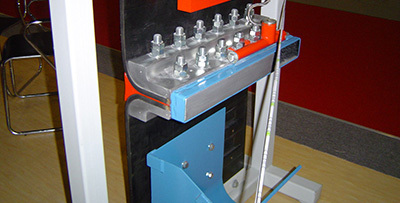
Mechanical fasteners are widely used in conveyor belt joints due to their simplicity and reliability. These joints utilize metal plates or hinges to connect the belt ends, ensuring a secure and durable connection. Popular mechanical fastener options include hinged fasteners, solid plate fasteners, and bolted plate fasteners.
2. Vulcanization:
Vulcanization is a common method for joining conveyor belts, particularly in heavy-duty applications. This process involves heating the belt ends and applying pressure to fuse them together using specialized adhesives or rubber compounds. Vulcanized joints offer excellent strength and flexibility, making them suitable for high-tension systems.
3. Metal Lacing:
Metal lacing is a versatile jointing method that utilizes metal plates or clips to secure the belt ends. This type of joint provides a strong connection and allows for easy installation and removal when necessary. Metal lacing is commonly used in applications that require frequent belt repairs or replacements.
4. Overlapping:
Overlapping is a simple and cost-effective method of joining conveyor belts. It involves overlapping the belt ends and securing them using adhesive or fasteners. While this type of joint may not offer the same level of strength as other methods, it is suitable for lightweight and low-tension applications.
Significance of Conveyor Belt Joints:
Conveyor belt joints play a crucial role in ensuring the efficiency and reliability of material handling systems. Here are some key reasons why joints are essential:
1. Seamless Material Flow:
Properly joined conveyor belts enable uninterrupted material flow, minimizing disruptions and improving productivity. Effective joints prevent material spillage, reduce downtime, and ensure the smooth transfer of goods along the production line.
2. Enhanced Belt Durability:
Well-executed joints contribute to the overall durability and longevity of conveyor belts. By securely connecting the belt ends, joints withstand the stress of continuous operation, heavy loads, and challenging environments, minimizing the risk of premature belt failure.
3. Maintenance and Repair:
Conveyor belt joints facilitate easier maintenance and repair processes. When a damaged section of the belt needs replacement, joints allow for efficient belt splicing or replacement without dismantling the entire system, saving time and resources.
Conclusion:
Conveyor belt joints are vital components in the hardware industry, specifically within the realm of metal tools and accessories. Understanding the different types of joints and their significance is essential for ensuring efficient material handling operations. By utilizing mechanical fasteners, vulcanization, metal lacing, or overlapping techniques, businesses can achieve seamless material flow, enhance belt durability, and simplify maintenance and repair processes. Choose the most suitable jointing method based on your application requirements and reap the benefits of a reliable and efficient conveyor belt system.
Recommend News
Address
Address: No.82 Liangnong Road, Liangzhu street, Yuhang District, Hangzhou City, Zhejiang Province
Contact Information
Telephone:+86-571-88778905
Business consulting:+86-16657119700
Fax: +86-0571-88781967
Website
Website:www.hezikj.com
Official Mall:https://hzhlxjzp.1688.com/
Zip Code: 311113


Alibaba
Copyright © 2025 Hangzhou Hezi Technology Co., Ltd. | Powered by www.300.cn