




Hangzhou Hezi Technology Co., Ltd.




News Center
Hezi technology focuses on the research and development of "rapid seamless conveyor belt joint sleeve" innovative technology project

NEWS CENTER
News Details
Conveyor Belt Joint: A Comprehensive Guide to Hardware Fittings and Joints in the Metalworking Industry
Release time:
2023-10-18
Discover the ins and outs of conveyor belt joints and their significance in the hardware industry. From understanding the basic types of joints to exploring the benefits they offer, this article provi
Conveyor belts play a crucial role in the hardware industry, facilitating the smooth transportation of goods and materials. One key aspect of conveyor belts is their joints, which ensure the seamless operation of the system. In this article, we delve into the world of conveyor belt joints and their importance in the hardware tools and fittings industry.
Types of Conveyor Belt Joints:
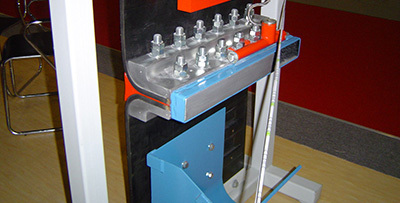
1. Mechanical Fasteners: These joints employ metal hinges or plates that are bolted or riveted to connect the conveyor belt ends. They are popular due to their high strength, durability, and ease of installation. Mechanical fasteners offer reliable performance in heavy-duty applications.
2. Vulcanization: Vulcanized conveyor belt joints involve using heat and pressure to chemically bond the belt ends. This method offers exceptional strength, flexibility, and resistance to harsh environments. Vulcanization is preferred for conveyor belts used in industries with high temperature, corrosive, or abrasive conditions.
3. Metal Lacing: Metal lacing joints feature flexible steel wires or bands that are crimped onto the conveyor belt ends. This type of joint provides a strong connection and allows for easy maintenance and repairs. Metal lacing is suitable for lightweight and medium-duty applications.
Benefits of Conveyor Belt Joints:
1. Enhanced Efficiency: Properly joined conveyor belts ensure smooth material transfer, reducing downtime and increasing productivity. The joints minimize slippage, ensuring a continuous flow of items along the conveyor system.
2. Increased Lifespan: Reliable joints contribute to the longevity of conveyor belts. Mechanical fasteners, vulcanization, and metal lacing techniques offer robust connections that withstand heavy loads and repetitive motion, resulting in extended belt life.
3. Versatility: Conveyor belt joints accommodate various belt widths, materials, and thicknesses, allowing for flexible customization. This versatility enables the use of conveyor belts in diverse hardware applications, including those in the metalworking industry.
4. Cost-Effective Maintenance: Well-executed joints make maintenance and repairs more efficient, reducing downtime and associated costs. Quick and hassle-free joint replacements minimize production interruptions, resulting in optimized operations and cost savings.
Conclusion:
Conveyor belt joints play a vital role in the hardware industry, particularly in the metalworking sector. Understanding the different types of joints and their advantages helps professionals make informed decisions when selecting conveyor belts for their specific requirements. By ensuring reliable and efficient material transportation, conveyor belt joints contribute to the overall success and productivity of hardware tools and fittings operations.
Recommend News
Address
Address: No.82 Liangnong Road, Liangzhu street, Yuhang District, Hangzhou City, Zhejiang Province
Contact Information
Telephone:+86-571-88778905
Business consulting:+86-16657119700
Fax: +86-0571-88781967
Website
Website:www.hezikj.com
Official Mall:https://hzhlxjzp.1688.com/
Zip Code: 311113


Alibaba
Copyright © 2025 Hangzhou Hezi Technology Co., Ltd. | Powered by www.300.cn