




Hangzhou Hezi Technology Co., Ltd.




News Center
Hezi technology focuses on the research and development of "rapid seamless conveyor belt joint sleeve" innovative technology project

NEWS CENTER
News Details
Understanding Rubber Conveyor Belt Connectors: A Guide for Hardware Professionals
Release time:
2023-10-24
In the hardware industry, specifically in the field of hardware accessories such as connectors, rubber conveyor belt connectors play a crucial role. This article aims to provide valuable insights into
1. The Importance of Rubber Conveyor Belt Connectors:
Rubber conveyor belt connectors are essential for maintaining the integrity and functionality of conveyor belts. They provide a secure and reliable connection between individual belt segments, ensuring the continuous movement of materials without any slippage or detachment. These connectors help in reducing downtime, preventing damage to the belts, and improving overall operational efficiency.
2. Types of Rubber Conveyor Belt Connectors:
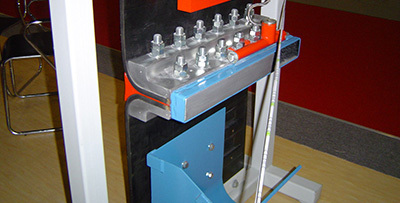
There are several types of rubber conveyor belt connectors available in the market, each designed for specific applications and requirements. Common types include mechanical fasteners, vulcanized splices, and bolted plate fasteners. Mechanical fasteners use metal plates and bolts to join the belt ends securely. Vulcanized splices involve heating and curing the rubber to create a seamless joint. Bolted plate fasteners use pre-installed bolts and plates for a strong and durable connection.
3. Applications of Rubber Conveyor Belt Connectors:
Rubber conveyor belt connectors find applications across various industries, including mining, manufacturing, agriculture, and logistics. They are utilized in conveyor systems that transport bulk materials, such as ores, grains, and packaged goods. These connectors ensure smooth material transfer, prevent spillage, and maintain operational continuity, ultimately contributing to increased productivity and cost-efficiency.
4. Factors to Consider:
When selecting rubber conveyor belt connectors, several factors should be taken into consideration. These include the belt thickness, tensile strength, and operating conditions. It is crucial to choose connectors that are compatible with the belt material and can withstand the rigors of the specific application. Proper installation and regular maintenance are also important to ensure optimal performance and prolong the lifespan of the connectors.
In conclusion, rubber conveyor belt connectors are indispensable components in the hardware industry, particularly in the field of hardware accessories and connectors. Understanding their significance, types, and applications is crucial for professionals in this sector. By providing a secure and reliable connection, these connectors contribute to the smooth functioning of conveyor belts across various industries, ultimately enhancing productivity and efficiency.
Recommend News
Address
Address: No.82 Liangnong Road, Liangzhu street, Yuhang District, Hangzhou City, Zhejiang Province
Contact Information
Telephone:+86-571-88778905
Business consulting:+86-16657119700
Fax: +86-0571-88781967
Website
Website:www.hezikj.com
Official Mall:https://hzhlxjzp.1688.com/
Zip Code: 311113


Alibaba
Copyright © 2025 Hangzhou Hezi Technology Co., Ltd. | Powered by www.300.cn