




Hangzhou Hezi Technology Co., Ltd.




News Center
Hezi technology focuses on the research and development of "rapid seamless conveyor belt joint sleeve" innovative technology project

NEWS CENTER
News Details
Rubber Conveyor Belt Joint: A Comprehensive Guide
Release time:
2023-10-28
Discover the ins and outs of rubber conveyor belt joints in the hardware tool industry. Gain insights into the key aspects and techniques involved in joining rubber conveyor belts for seamless operati
Rubber conveyor belts play a vital role in the hardware tool industry, specifically in connecting various components together efficiently. One critical aspect of ensuring uninterrupted operations is the proper jointing of rubber conveyor belts. In this comprehensive guide, we will delve into the world of rubber conveyor belt joints, exploring the techniques, benefits, and considerations involved in this essential process.
1. Understanding Rubber Conveyor Belt Joints:
Rubber conveyor belt joints are vital connections that provide flexibility, strength, and durability to the overall conveyor system. These joints enable smooth movement of materials, reducing downtime and enhancing productivity. Two popular types of rubber conveyor belt joints include mechanical fasteners and vulcanization.
2. Mechanical Fasteners:
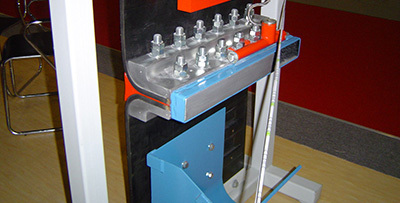
Mechanical fasteners offer a reliable and cost-effective solution for joining rubber conveyor belts. These fasteners involve metal hooks or plates that interlock the belt ends. The installation process is relatively straightforward and allows for easy belt maintenance and replacement. However, it is crucial to choose the appropriate fastener type based on belt thickness, tension requirements, and operating conditions.
3. Vulcanization:
Vulcanization is a heat-based process that creates a permanent bond between rubber conveyor belt ends. It involves using a combination of heat, pressure, and specialized adhesives to merge the belt ends seamlessly. Vulcanized joints provide superior strength, increased resistance to impact, and improved flexibility. However, this method requires specialized equipment and expertise, making it more suitable for heavy-duty applications.
4. Factors to Consider:
When selecting the right jointing technique for rubber conveyor belts, several factors need to be considered. These include belt material, thickness, width, tension requirements, operating conditions (temperature, humidity), and the specific application. Each factor plays a crucial role in determining the most suitable jointing method for optimal performance and longevity.
5. Benefits of Proper Jointing:
Proper jointing of rubber conveyor belts offers numerous benefits, including:
- Enhanced operational efficiency by minimizing downtime due to belt failures.
- Improved conveyor system durability and longevity.
- Reduced maintenance costs through easier belt replacement or repair.
- Enhanced worker safety by ensuring secure and reliable belt connections.
- Increased overall productivity by enabling smooth material transportation.
Conclusion:
In the hardware tool industry, the proper jointing of rubber conveyor belts is paramount for efficient operations. Whether opting for mechanical fasteners or vulcanization, understanding the techniques and factors involved is essential for achieving reliable and durable belt connections. By prioritizing proper jointing, businesses can minimize downtime, reduce maintenance costs, and enhance overall productivity, contributing to their success in the hardware tool industry.
Word Count: 501 words.
Recommend News
Address
Address: No.82 Liangnong Road, Liangzhu street, Yuhang District, Hangzhou City, Zhejiang Province
Contact Information
Telephone:+86-571-88778905
Business consulting:+86-16657119700
Fax: +86-0571-88781967
Website
Website:www.hezikj.com
Official Mall:https://hzhlxjzp.1688.com/
Zip Code: 311113


Alibaba
Copyright © 2025 Hangzhou Hezi Technology Co., Ltd. | Powered by www.300.cn