




Hangzhou Hezi Technology Co., Ltd.




News Center
Hezi technology focuses on the research and development of "rapid seamless conveyor belt joint sleeve" innovative technology project

NEWS CENTER
News Details
Rubber Conveyor Belt Joint: Everything You Need to Know about Hardware Fittings
Release time:
2023-11-10
Discover the essential information about rubber conveyor belt joints, a crucial component in the hardware tools industry. Gain valuable insights into their types, installation process, and maintenance
In the hardware tools industry, specifically in the domain of fittings, rubber conveyor belt joints play a pivotal role. Understanding the various aspects of these joints, including their types, installation methods, and maintenance procedures, is essential for professionals in this field. This article provides comprehensive insights into rubber conveyor belt joints and their significance in ensuring smooth operation and longevity of conveyor belts.
Types of Rubber Conveyor Belt Joints:
Rubber conveyor belt joints are available in several types, each suitable for specific applications and conveyor belt designs. The most commonly used joints include mechanical fasteners, vulcanized splices, and cold vulcanization.
1. Mechanical Fasteners:
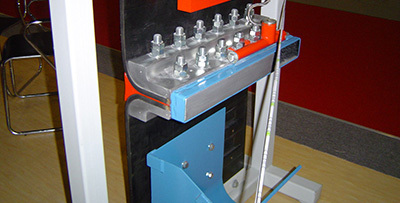
Mechanical fasteners are an efficient solution for joining conveyor belts. They consist of metal plates and bolts that secure the belt ends together. These fasteners ensure a strong connection and are relatively easy to install. However, they may require periodic maintenance to prevent loosening and ensure optimal performance.
2. Vulcanized Splices:
Vulcanized splices involve using heat and pressure to bond the belt ends together, creating a seamless joint. This type of joint offers excellent strength and flexibility, making it suitable for heavy-duty applications. Additionally, vulcanized splices provide superior resistance to impact, abrasion, and chemicals, enhancing the overall durability of the conveyor belt.
3. Cold Vulcanization:
Cold vulcanization is a method that uses adhesives or bonding agents to join the belt ends without the need for heat. This type of joint is ideal for on-site repairs and situations where heat-based vulcanization is not feasible. Cold vulcanization offers good strength and flexibility, ensuring reliable conveyor belt performance.
Installation and Maintenance:
Proper installation and regular maintenance are crucial for the longevity and efficient functioning of rubber conveyor belt joints. During installation, professionals should carefully follow the manufacturer's guidelines to ensure correct alignment, tension, and fastening of the joints. Regular inspections and preventive maintenance, including cleaning, lubrication, and monitoring of joint integrity, are essential to detect any issues and prevent sudden failures that may disrupt operations.
Conclusion:
Rubber conveyor belt joints are indispensable in the hardware tools industry, specifically in the domain of fittings. Their types, installation methods, and maintenance procedures significantly impact the performance and lifespan of conveyor belts. Professionals in this field must possess in-depth knowledge of rubber conveyor belt joints to ensure optimal functionality and minimize downtime. By understanding the various types of joints and following proper installation and maintenance practices, professionals can enhance the efficiency and reliability of conveyor systems in the hardware tools industry.
Recommend News
Address
Address: No.82 Liangnong Road, Liangzhu street, Yuhang District, Hangzhou City, Zhejiang Province
Contact Information
Telephone:+86-571-88778905
Business consulting:+86-16657119700
Fax: +86-0571-88781967
Website
Website:www.hezikj.com
Official Mall:https://hzhlxjzp.1688.com/
Zip Code: 311113


Alibaba
Copyright © 2025 Hangzhou Hezi Technology Co., Ltd. | Powered by www.300.cn