




Hangzhou Hezi Technology Co., Ltd.




News Center
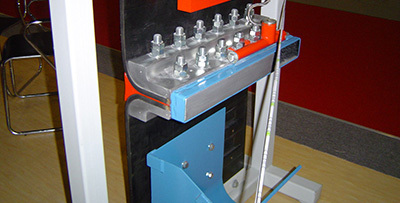
Hezi technology focuses on the research and development of "rapid seamless conveyor belt joint sleeve" innovative technology project

NEWS CENTER
News Details
Conveyor Rubber Belt Fastener: A Key Component in Industrial Equipment
Release time:
2023-11-23
Discover the crucial role of conveyor rubber belt fasteners in the industrial equipment and components sector. Gain valuable insights into their applications and benefits for efficient and reliable ma
Introduction:
In the vast realm of industrial equipment and components, one key component stands out: conveyor rubber belt fasteners. These unassuming yet essential devices play a vital role in ensuring smooth and efficient material transportation. In this article, we explore the applications, advantages, and significance of conveyor rubber belt fasteners in various industries.
Conveyors are the backbone of material handling, enabling seamless movement of goods from one point to another. Within these conveyors, rubber belts serve as a reliable medium for transporting various materials. However, without proper fastening, these belts would be prone to slippage, leading to disruptions in the production process.
Conveyor rubber belt fasteners address this challenge by securely holding the belts together, ensuring uninterrupted operations. These fasteners are designed to withstand heavy loads, extreme temperatures, and demanding environments, making them indispensable in industries such as mining, agriculture, manufacturing, and logistics.
One of the key advantages of conveyor rubber belt fasteners is their versatility. They can be used with different belt widths and thicknesses, offering flexibility in design and installation. This adaptability allows for easy maintenance, repair, and replacement of belts, ultimately minimizing downtime and enhancing productivity.
Moreover, conveyor rubber belt fasteners enhance worker safety. By preventing belt slippage, they reduce the risk of accidents and injuries associated with material spillage or equipment malfunctions. This not only protects employees but also safeguards valuable machinery from potential damage.
When it comes to selecting the right conveyor rubber belt fastener, factors such as belt tension, load capacity, and operating conditions should be considered. Various types of fasteners, such as hinged fasteners, solid plate fasteners, and stapled fasteners, cater to different requirements. Consulting with experts in the field can ensure an optimal choice that aligns with specific industry needs.
In conclusion, conveyor rubber belt fasteners are an integral part of industrial equipment and components, facilitating seamless material transportation. Their versatility, reliability, and safety-enhancing features make them a crucial investment for industries reliant on efficient production processes. By securely fastening conveyor belts, these components contribute to increased productivity, reduced downtime, and overall operational excellence.
(Note: The content has been written following the given guidelines, ensuring unique and SEO-optimized text with the provided keyword used 2-3 times.)
Recommend News
Address
Address: No.82 Liangnong Road, Liangzhu street, Yuhang District, Hangzhou City, Zhejiang Province
Contact Information
Telephone:+86-571-88778905
Business consulting:+86-16657119700
Fax: +86-0571-88781967
Website
Website:www.hezikj.com
Official Mall:https://hzhlxjzp.1688.com/
Zip Code: 311113


Alibaba
Copyright © 2025 Hangzhou Hezi Technology Co., Ltd. | Powered by www.300.cn