




Hangzhou Hezi Technology Co., Ltd.




News Center
Hezi technology focuses on the research and development of "rapid seamless conveyor belt joint sleeve" innovative technology project

NEWS CENTER
News Details
Conveyor Rubber Belt Fastener: Key Information for Industrial Equipment and Components
Release time:
2023-11-25
Find out essential details about conveyor rubber belt fasteners, a vital component in the industrial equipment and components sector, specializing in fasteners and connectors.
In the industrial equipment and components sector, fasteners and connectors play a crucial role in ensuring the efficient functioning of various machinery. One such essential component is the conveyor rubber belt fastener. This article provides valuable insights into conveyor rubber belt fasteners, their significance, and related information for professionals in the industry.
1. What are Conveyor Rubber Belt Fasteners?
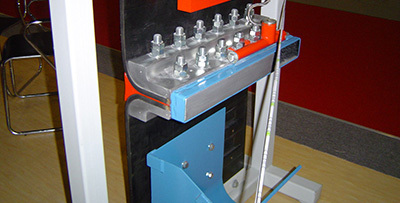
Conveyor rubber belt fasteners are mechanical devices used to join conveyor belts, enabling the seamless movement of materials in industries like mining, manufacturing, and logistics. These fasteners securely hold the conveyor belts together, ensuring smooth and continuous operation.
2. Types of Conveyor Rubber Belt Fasteners:
There are various types of conveyor rubber belt fasteners available, including:
- Hinged fasteners: These consist of hinged plates fastened to the conveyor belt using bolts, allowing for easy installation and removal.
- Staple fasteners: This type involves using staples or nails to attach the fasteners to the belt, providing a reliable and long-lasting connection.
- Solid plate fasteners: These offer a sturdy and durable connection, using a solid plate and bolts to secure the conveyor belt ends.
3. Key Benefits of Conveyor Rubber Belt Fasteners:
- Increased efficiency: Fast and secure installation of conveyor rubber belt fasteners minimizes downtime and boosts productivity.
- Enhanced durability: Properly connected conveyor belts reduce wear and tear, extending the lifespan of the belts and associated components.
- Easy maintenance: With the ability to quickly replace damaged sections, conveyor rubber belt fasteners simplify maintenance procedures, minimizing costs and disruptions.
4. Factors to Consider:
When selecting conveyor rubber belt fasteners, professionals should consider the following factors:
- Belt thickness and width: Ensure the fasteners are compatible with the dimensions of the conveyor belt for optimal performance.
- Material compatibility: Choose fasteners that can withstand the material being transported and the environmental conditions in the industry.
- Tensile strength: Select fasteners with appropriate strength to handle the load and tension of the conveyor belt.
5. Installation and Maintenance Tips:
- Follow manufacturer guidelines: Adhere to the instructions provided by the fastener manufacturer for proper installation and maintenance.
- Regular inspection: Conduct routine inspections to identify any signs of wear or damage and replace fasteners as needed.
- Lubrication: Apply lubricants to reduce friction and ensure smooth operation of the conveyor rubber belt fasteners.
Conclusion:
Conveyor rubber belt fasteners are indispensable components in the industrial equipment and components sector, facilitating the seamless movement of materials in various industries. By understanding the types, benefits, and considerations associated with these fasteners, professionals can make informed decisions for efficient conveyor belt systems. Proper installation and maintenance of conveyor rubber belt fasteners contribute to enhanced productivity, durability, and cost-effectiveness in industrial operations.
Recommend News
Address
Address: No.82 Liangnong Road, Liangzhu street, Yuhang District, Hangzhou City, Zhejiang Province
Contact Information
Telephone:+86-571-88778905
Business consulting:+86-16657119700
Fax: +86-0571-88781967
Website
Website:www.hezikj.com
Official Mall:https://hzhlxjzp.1688.com/
Zip Code: 311113


Alibaba
Copyright © 2025 Hangzhou Hezi Technology Co., Ltd. | Powered by www.300.cn