




Hangzhou Hezi Technology Co., Ltd.




News Center
Hezi technology focuses on the research and development of "rapid seamless conveyor belt joint sleeve" innovative technology project

NEWS CENTER
News Details
Conveyor Belt Joint: Everything You Need to Know About Metal Hardware Fittings
Release time:
2023-12-21
Explore the world of metal hardware fittings and learn all about conveyor belt joints, an essential component in the hardware tools industry. Discover the ins and outs of this vital connection and how
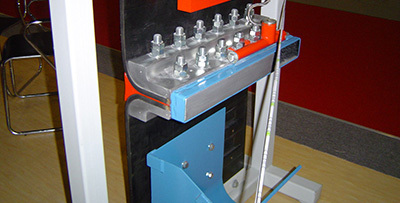
When it comes to conveyor belt joints, there are several types commonly used. The most prevalent ones include mechanical joints, vulcanized joints, and fastener-based joints. Each type offers unique advantages and is suitable for different applications.
Mechanical joints involve using metal plates or hinges to connect the belt ends. This method provides ease of installation and replacement, making it a popular choice for industries that frequently modify their conveyor systems. However, mechanical joints may cause slight misalignment, leading to potential material spillage or belt damage.
Vulcanized joints, on the other hand, offer a more permanent and robust connection. This method involves heating the belt ends and bonding them together using specialized adhesives or heat-resistant materials. Vulcanized joints ensure excellent durability, enhanced belt strength, and minimized material spillage. However, the installation process can be time-consuming, and replacing the joint requires significant effort.
Fastener-based joints utilize metal fasteners, such as clips or staples, to secure the ends of the conveyor belt. This method allows for quick installation and easy replacement, minimizing downtime in industries where efficiency is crucial. Fastener-based joints are versatile, accommodating various belt thicknesses and materials. Nonetheless, they may require regular maintenance to ensure optimal performance and prevent fastener failure.
Conveyor belt joints play a pivotal role in ensuring smooth material flow, reducing downtime, and enhancing overall productivity. They find applications in numerous industries, including mining, manufacturing, logistics, and agriculture. Proper selection and maintenance of the joint type are essential to maximize the lifespan of the conveyor belt and minimize operational disruptions.
In conclusion, understanding conveyor belt joints is paramount in the hardware tools industry, particularly in the domain of metal hardware fittings and joints. The mechanical, vulcanized, and fastener-based joints offer different benefits and cater to diverse application requirements. By choosing the most suitable joint type and implementing proper maintenance practices, businesses can optimize their conveyor systems' performance and streamline their operations.
Recommend News
Address
Address: No.82 Liangnong Road, Liangzhu street, Yuhang District, Hangzhou City, Zhejiang Province
Contact Information
Telephone:+86-571-88778905
Business consulting:+86-16657119700
Fax: +86-0571-88781967
Website
Website:www.hezikj.com
Official Mall:https://hzhlxjzp.1688.com/
Zip Code: 311113


Alibaba
Copyright © 2025 Hangzhou Hezi Technology Co., Ltd. | Powered by www.300.cn