




Hangzhou Hezi Technology Co., Ltd.




News Center
Hezi technology focuses on the research and development of "rapid seamless conveyor belt joint sleeve" innovative technology project

NEWS CENTER
News Details
Understanding Conveyor Belt Connectors in the Electrical Industry
Release time:
2024-01-17
Learn about the importance and applications of conveyor belt connectors in the field of electrical engineering and connectors.
In the electrical industry, connectors play a vital role in ensuring the smooth and efficient transmission of power and signals. One such type of connector that holds significant importance is the conveyor belt connector. Let's delve into the world of conveyor belt connectors and explore their applications and benefits.
1. What are Conveyor Belt Connectors?
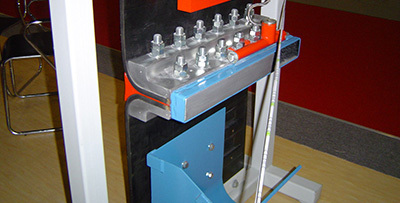
Conveyor belt connectors, also known as conveyor belt fasteners, are mechanical devices used to join conveyor belts together. They provide a secure and reliable connection between belt ends, enabling the continuous movement of materials along the conveyor system.
2. Importance of Conveyor Belt Connectors:
Conveyor belt connectors are crucial in various industries, including electrical engineering. They ensure the uninterrupted movement of materials, allowing for efficient production processes. These connectors also prevent belt slippage, reducing downtime and enhancing overall productivity.
3. Applications in the Electrical Industry:
In the electrical industry, conveyor belt connectors are used in a variety of applications, such as:
- Manufacturing of electrical components: Conveyor belts are used to transport electronic components during the manufacturing process. Connectors ensure the smooth flow of these components, optimizing production efficiency.
- Power transmission: Conveyor belts play a vital role in power transmission systems, allowing for the movement of electrical products along the assembly line. Connectors securely join the belts, ensuring the uninterrupted transmission of power.
4. Benefits of Conveyor Belt Connectors:
- Enhanced efficiency: By providing a secure connection, conveyor belt connectors minimize belt slippage and prevent material spillage, leading to improved production efficiency.
- Reduced downtime: Quick and easy installation of conveyor belt connectors minimizes downtime during maintenance or repairs.
- Cost-effective: Conveyor belt connectors offer a cost-effective solution for joining belts, eliminating the need for expensive belt replacements.
Conclusion:
Conveyor belt connectors are indispensable in the electrical industry, facilitating the seamless movement of materials and power transmission. Their ability to provide a secure connection, enhance efficiency, and reduce downtime makes them an essential component in various electrical applications. Understanding the significance and benefits of conveyor belt connectors can help businesses optimize their processes and ensure smooth operations.
Previous Page
Recommend News
Address
Address: No.82 Liangnong Road, Liangzhu street, Yuhang District, Hangzhou City, Zhejiang Province
Contact Information
Telephone:+86-571-88778905
Business consulting:+86-16657119700
Fax: +86-0571-88781967
Website
Website:www.hezikj.com
Official Mall:https://hzhlxjzp.1688.com/
Zip Code: 311113


Alibaba
Copyright © 2025 Hangzhou Hezi Technology Co., Ltd. | Powered by www.300.cn