




Hangzhou Hezi Technology Co., Ltd.




News Center
Hezi technology focuses on the research and development of "rapid seamless conveyor belt joint sleeve" innovative technology project

NEWS CENTER
News Details
What You Need to Know About Rubber Conveyor Belt Fasteners
Release time:
2024-04-26
Learn about the important aspects of rubber conveyor belt fasteners in the industrial equipment and components industry.
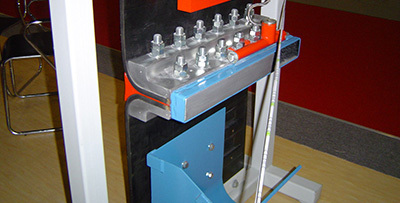
Firstly, rubber conveyor belt fasteners are used to securely connect and hold together conveyor belts, ensuring proper functionality and reliability. These fasteners are designed to withstand high tension, making them an essential component in various industries such as mining, manufacturing, and logistics.
The primary purpose of rubber conveyor belt fasteners is to maintain the integrity of the conveyor belt system. They prevent the belt from slipping, which could lead to disruptions in the production process or even accidents. By securely fastening the belt, these fasteners ensure smooth and uninterrupted movement of materials along the conveyor system.
When selecting rubber conveyor belt fasteners, it is important to consider several factors. One crucial aspect is the material used in their construction. Common materials include rubber, steel, and stainless steel. Each material has its own advantages and suitability for specific applications. For example, rubber fasteners are durable and resistant to corrosion, while steel fasteners provide excellent strength and stability.
Another important consideration is the type of fastener mechanism. There are various types available, including hinged fasteners, solid plate fasteners, and staples. The choice of fastener depends on factors such as the conveyor belt design, load capacity, and operating conditions. It is crucial to select the right type of fastener to ensure optimal performance and longevity of the conveyor system.
Proper installation and maintenance of rubber conveyor belt fasteners are vital for their effectiveness. Regular inspections should be conducted to check for any signs of wear or damage. Additionally, lubrication may be required to minimize friction and ensure smooth operation. Following the manufacturer's guidelines and recommendations is essential to maximize the lifespan of the fasteners and prevent any potential issues.
In conclusion, rubber conveyor belt fasteners are essential components in the industrial equipment and components industry. Their role in securely connecting conveyor belts ensures smooth material movement and prevents accidents. By considering factors such as material and fastener mechanism, one can select the most suitable fasteners for their specific application. Regular maintenance and proper installation are crucial for the longevity and effectiveness of rubber conveyor belt fasteners.
Recommend News
Address
Address: No.82 Liangnong Road, Liangzhu street, Yuhang District, Hangzhou City, Zhejiang Province
Contact Information
Telephone:+86-571-88778905
Business consulting:+86-16657119700
Fax: +86-0571-88781967
Website
Website:www.hezikj.com
Official Mall:https://hzhlxjzp.1688.com/
Zip Code: 311113


Alibaba
Copyright © 2025 Hangzhou Hezi Technology Co., Ltd. | Powered by www.300.cn