




Hangzhou Hezi Technology Co., Ltd.




News Center
Hezi technology focuses on the research and development of "rapid seamless conveyor belt joint sleeve" innovative technology project

NEWS CENTER
News Details
All You Need to Know About Conveyor Belt Joints in the Hardware Industry
Release time:
2024-06-27
In the hardware industry, especially in the realm of hardware fittings and joints, conveyor belt joints play a crucial role. In this article, we will delve into the details of conveyor belt joints, ex
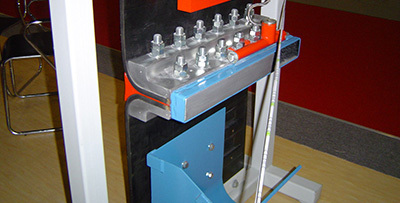
There are several types of conveyor belt joints commonly used in the hardware industry, including mechanical joints, vulcanized joints, and fastener joints. Mechanical joints involve using metal hinges or plates to connect belt sections, while vulcanized joints use heat and pressure to bond belt ends together. Fastener joints, on the other hand, utilize clips or staples to hold belt sections in place.
The choice of conveyor belt joint depends on various factors such as the type of material being conveyed, the speed of operation, and environmental conditions. Mechanical joints are ideal for applications that require frequent belt changes, while vulcanized joints offer superior strength and durability. Fastener joints are suitable for temporary or lightweight conveyor systems.
Proper installation and maintenance of conveyor belt joints are essential to ensure the smooth operation of conveyor systems. Regular inspections, lubrication, and alignment checks can help prevent premature wear and tear, minimizing downtime and maximizing productivity in the hardware industry.
In conclusion, conveyor belt joints are crucial components in the hardware industry, playing a significant role in the efficient movement of materials in manufacturing and production processes. Understanding the different types of joints available and their applications can help hardware professionals make informed decisions when selecting conveyor belt systems for their operations.
Recommend News
Address
Address: No.82 Liangnong Road, Liangzhu street, Yuhang District, Hangzhou City, Zhejiang Province
Contact Information
Telephone:+86-571-88778905
Business consulting:+86-16657119700
Fax: +86-0571-88781967
Website
Website:www.hezikj.com
Official Mall:https://hzhlxjzp.1688.com/
Zip Code: 311113


Alibaba
Copyright © 2025 Hangzhou Hezi Technology Co., Ltd. | Powered by www.300.cn