




Hangzhou Hezi Technology Co., Ltd.




News Center
Hezi technology focuses on the research and development of "rapid seamless conveyor belt joint sleeve" innovative technology project

NEWS CENTER
News Details
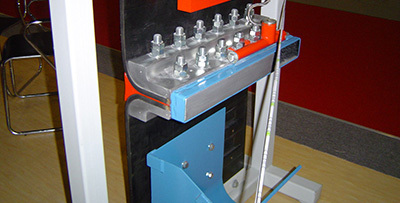
The Ultimate Guide to Belt Fasteners for Industrial Equipment and Components
Release time:
2024-07-27
Are you in the industrial equipment and components industry looking for information on belt fasteners? Look no further! This comprehensive guide will provide you with all the essential knowledge you n
One of the key factors to consider when choosing belt fasteners is the material they are made of. Common materials include stainless steel, carbon steel, and plastic, each with its own advantages and limitations. Stainless steel fasteners, for example, are known for their corrosion resistance and durability, making them ideal for harsh environments. On the other hand, plastic fasteners are lightweight and non-corrosive, but may not be as strong as metal fasteners.
In addition to material, the type of fastening mechanism is also important to consider. There are several types of belt fasteners available, such as bolted, riveted, and clipped fasteners, each with its own unique features and benefits. Bolted fasteners, for instance, provide a secure and permanent connection but may require specialized tools for installation. Riveted fasteners, on the other hand, are easy to install and remove but may not be as strong as bolted fasteners.
When installing belt fasteners, it is essential to follow the manufacturer's guidelines to ensure proper placement and tension. Improper installation can result in belt slippage, premature wear, and even equipment damage. Regular maintenance and inspection of belt fasteners are also crucial to prevent unexpected failures and downtime.
In conclusion, belt fasteners play a vital role in the smooth operation of industrial equipment and components. By understanding the different types of fasteners available, their materials, and installation requirements, you can make informed decisions that will enhance the efficiency and reliability of your equipment.
Recommend News
Address
Address: No.82 Liangnong Road, Liangzhu street, Yuhang District, Hangzhou City, Zhejiang Province
Contact Information
Telephone:+86-571-88778905
Business consulting:+86-16657119700
Fax: +86-0571-88781967
Website
Website:www.hezikj.com
Official Mall:https://hzhlxjzp.1688.com/
Zip Code: 311113

Alibaba
Copyright © 2025 Hangzhou Hezi Technology Co., Ltd. | Powered by www.300.cn