




Hangzhou Hezi Technology Co., Ltd.




News Center
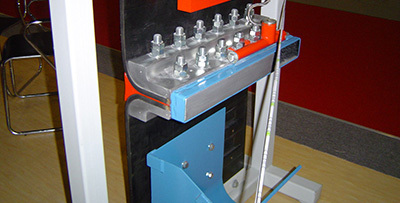
Hezi technology focuses on the research and development of "rapid seamless conveyor belt joint sleeve" innovative technology project

NEWS CENTER
News Details
Understanding Rubber Conveyor Belt Connectors: Essential Insights for Optimal Performance
Release time:
2024-09-25
This article delves into the crucial role of rubber conveyor belt connectors, exploring their functions, types, and best practices for ensuring efficiency and longevity in conveyor systems. Ideal for
Rubber conveyor belt connectors are typically designed to withstand various environmental conditions and mechanical stresses. They are commonly made from high-quality rubber materials that provide resilience against wear, abrasion, and impact. The flexibility of rubber allows these connectors to accommodate the dynamic movements of conveyor belts, which are often subjected to varying loads and speeds.
There are several types of rubber conveyor belt connectors available, each tailored to specific applications and requirements. For instance, mechanical connectors, such as clamps or lacing systems, are often used for quick and easy belt repairs or connections. These connectors allow for easy installation and removal, making them suitable for situations where downtime must be minimized.
Another category includes vulcanized connectors, which involve a bonding process that creates a permanent and robust joint between belt ends. This type of connection is favored for its long-lasting durability and ability to handle higher loads, making it ideal for heavy-duty applications. However, vulcanization requires specialized equipment and expertise, which may not be readily available in all settings.
To ensure optimal performance of rubber conveyor belt connectors, regular maintenance and inspection are essential. It is advisable to check for signs of wear and tear, such as cracks or hardening of rubber. Additionally, proper alignment during installation can prevent undue stress on connectors and extend their lifespan. Users should also consider the compatibility of connectors with the specific type of conveyor belt material being used, as this can affect both performance and reliability.
In conclusion, understanding the various aspects of rubber conveyor belt connectors is vital for anyone involved in material handling operations. By selecting the right type of connector and implementing best practices for maintenance, businesses can enhance the efficiency and longevity of their conveyor systems, ultimately leading to improved productivity and reduced operational costs.
Recommend News
Address
Address: No.82 Liangnong Road, Liangzhu street, Yuhang District, Hangzhou City, Zhejiang Province
Contact Information
Telephone:+86-571-88778905
Business consulting:+86-16657119700
Fax: +86-0571-88781967
Website
Website:www.hezikj.com
Official Mall:https://hzhlxjzp.1688.com/
Zip Code: 311113


Alibaba
Copyright © 2025 Hangzhou Hezi Technology Co., Ltd. | Powered by www.300.cn