




Hangzhou Hezi Technology Co., Ltd.




News Center
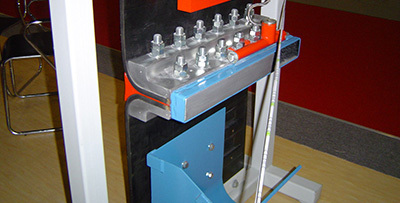
Hezi technology focuses on the research and development of "rapid seamless conveyor belt joint sleeve" innovative technology project

NEWS CENTER
News Details
Understanding Conveyor Rubber Belt Connectors: A Key Component in Electrical Applications
Release time:
2024-10-05
Discover the essential role of conveyor rubber belt connectors in electrical applications. This article provides valuable insights into their functions, types, and maintenance tips, ensuring optimal p
**Functionality of Conveyor Rubber Belt Connectors**
The primary function of conveyor rubber belt connectors is to link two segments of a conveyor belt, ensuring that the material being transported moves smoothly from one section to another. These connectors are designed to withstand heavy loads and resist wear and tear, making them indispensable in high-traffic environments. They contribute to the overall efficiency of the conveyor system by minimizing downtime caused by belt failures.
**Types of Conveyor Rubber Belt Connectors**
There are several types of conveyor rubber belt connectors available, each suited to specific applications:
1. **Mechanical Connectors**: These are typically metal devices that physically clamp the ends of the belt together. They offer strong connections and are easy to install and adjust, making them ideal for robust industrial applications.
2. **Splice Connectors**: Splice connectors are used to join the ends of a rubber belt by overlapping them and securing with a suitable adhesive or mechanical means. This type is widely utilized in settings where flexibility and strength are paramount.
3. **Lacing Connectors**: These connectors utilize a lacing system, where metal laces are threaded through holes in the belt ends. This method provides a reliable connection that can accommodate varying belt widths and is particularly useful in applications requiring high flexibility.
**Maintenance Tips for Conveyor Rubber Belt Connectors**
To ensure the longevity and efficiency of conveyor rubber belt connectors, regular maintenance is essential:
- **Inspection**: Conduct routine inspections to identify signs of wear, damage, or misalignment. Early detection of issues can prevent costly downtime and repairs.
- **Cleaning**: Keep the connectors clean from dust and debris, as build-up can lead to premature wear and reduced efficiency.
- **Lubrication**: For mechanical connectors, ensure that moving parts are well-lubricated to maintain optimal performance and prevent friction-related damage.
- **Replacement**: Be proactive about replacing worn or damaged connectors, as neglecting them can lead to system failures that disrupt operations.
In conclusion, understanding conveyor rubber belt connectors is vital for professionals in the electrical and materials handling industries. Their proper selection, installation, and maintenance can significantly enhance conveyor system performance, ensuring seamless operations across various applications. By staying informed about the types and functions of these connectors, industry professionals can make informed decisions that improve efficiency and reduce downtime.
Recommend News
Address
Address: No.82 Liangnong Road, Liangzhu street, Yuhang District, Hangzhou City, Zhejiang Province
Contact Information
Telephone:+86-571-88778905
Business consulting:+86-16657119700
Fax: +86-0571-88781967
Website
Website:www.hezikj.com
Official Mall:https://hzhlxjzp.1688.com/
Zip Code: 311113


Alibaba
Copyright © 2025 Hangzhou Hezi Technology Co., Ltd. | Powered by www.300.cn