




Hangzhou Hezi Technology Co., Ltd.




News Center
Hezi technology focuses on the research and development of "rapid seamless conveyor belt joint sleeve" innovative technology project

NEWS CENTER
News Details
Understanding Conveyor Rubber Belt Joints: Essential Insights for Industry Professionals
Release time:
2024-10-25
Explore the critical aspects of conveyor rubber belt joints, their significance in material handling systems, and how knowledge of these components can enhance operational efficiency in various indust
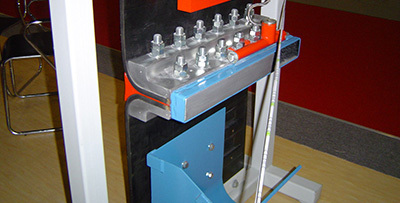
A conveyor rubber belt joint serves as the connection point between two ends of a conveyor belt, making it crucial for maintaining the continuity of the belt's operation. There are several types of joints commonly used in the industry, including mechanical joints, vulcanized joints, and cold-bonded joints. Each type has its advantages and disadvantages, and the choice largely depends on the specific application, belt material, and operational conditions.
Mechanical joints, for instance, are often favored for their ease of installation and maintenance. They usually involve metal fasteners that clamp the belt ends together. While they can be a quick fix, they may not provide the same level of durability and resistance to wear as other joint types. On the other hand, vulcanized joints, created through a heat and pressure process, form a strong, seamless bond that can withstand significant stress and strain. This type of joint is highly favored in high-capacity systems where performance is paramount.
Cold-bonded joints, utilizing adhesives, provide another solution, especially in situations where heat cannot be applied. However, the longevity and strength of these joints can be influenced by environmental factors, such as temperature and humidity, making them less reliable in certain conditions.
In the context of electrical connectors, understanding the interaction between conveyor systems and electrical components is essential. Properly joined conveyor belts minimize electrical interference and ensure the efficient operation of sensors and motors critical for automated systems. Professionals in the electrical engineering field must also consider that any disruptions in the conveyor system can lead to downtime, which can significantly impact productivity and operational efficiency.
Moreover, regular maintenance and inspection of conveyor rubber belt joints are crucial. Identifying wear and tear early on can prevent costly breakdowns and enhance the lifespan of the entire conveyor system. Employing predictive maintenance techniques, such as monitoring vibration and tension, can also aid in detecting potential issues before they escalate.
In conclusion, a thorough understanding of conveyor rubber belt joints is vital for professionals in the electrical and mechanical sectors. By selecting the appropriate joint type and ensuring regular maintenance, organizations can optimize their material handling processes, reducing downtime and enhancing overall productivity. This knowledge not only aids in making informed decisions but also contributes to the efficient operation of integrated systems in various industrial applications.
Recommend News
Address
Address: No.82 Liangnong Road, Liangzhu street, Yuhang District, Hangzhou City, Zhejiang Province
Contact Information
Telephone:+86-571-88778905
Business consulting:+86-16657119700
Fax: +86-0571-88781967
Website
Website:www.hezikj.com
Official Mall:https://hzhlxjzp.1688.com/
Zip Code: 311113


Alibaba
Copyright © 2025 Hangzhou Hezi Technology Co., Ltd. | Powered by www.300.cn