




Hangzhou Hezi Technology Co., Ltd.




News Center
Hezi technology focuses on the research and development of "rapid seamless conveyor belt joint sleeve" innovative technology project

NEWS CENTER
News Details
Understanding Conveyor Rubber Belt Joints: Enhancing Efficiency and Durability in Electrical Connections
Release time:
2024-11-04
This article explores the significance of conveyor rubber belt joints in the electrical and connector industries. By examining the advantages, types, and maintenance of these joints, readers will gain
Conveyor rubber belt joints serve the primary purpose of connecting different sections of conveyor belts, allowing for continuous operation while minimizing disruptions. There are several types of joints commonly used, including mechanical, vulcanized, and adhesive joints. Each type has its benefits and is chosen based on specific operational requirements.
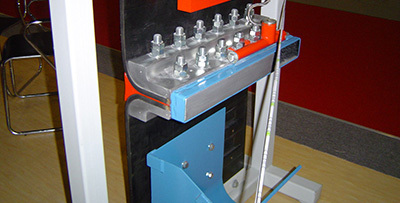
Mechanical joints are one of the most straightforward solutions, often involving metal fasteners that clip or clamp the belt ends together. They are easy to install and remove, making maintenance more manageable. However, mechanical joints may not provide the same level of durability and strength as other methods, especially in high-load applications.
Vulcanized joints, on the other hand, involve a chemical process that permanently bonds the belt ends together. This method offers superior strength and can withstand significant tension and abrasion. It is particularly suitable for heavy-duty applications where reliability is paramount. However, it requires specialized skills and equipment for installation, which can make it less accessible for some operations.
Adhesive joints are another option, using industrial-grade adhesives to bond the belt ends. While they can provide a strong bond, their effectiveness can be influenced by environmental factors, such as temperature and humidity. Regular inspections and maintenance are vital to ensure the integrity of adhesive joints over time.
To maximize the lifespan and functionality of conveyor rubber belt joints, regular maintenance is essential. This includes routine inspections to check for wear and tear, as well as immediate replacement of any damaged sections. Additionally, proper alignment and tensioning of the belts can prevent undue stress on the joints, extending their longevity.
In conclusion, conveyor rubber belt joints are a critical component in the electrical and connector industry. By understanding the different types of joints and their maintenance requirements, professionals can make informed decisions that enhance operational efficiency and durability. Investing time and resources into selecting the right joint type will ultimately lead to a more robust and reliable system, minimizing downtime and increasing productivity.
Recommend News
Address
Address: No.82 Liangnong Road, Liangzhu street, Yuhang District, Hangzhou City, Zhejiang Province
Contact Information
Telephone:+86-571-88778905
Business consulting:+86-16657119700
Fax: +86-0571-88781967
Website
Website:www.hezikj.com
Official Mall:https://hzhlxjzp.1688.com/
Zip Code: 311113


Alibaba
Copyright © 2025 Hangzhou Hezi Technology Co., Ltd. | Powered by www.300.cn