




Hangzhou Hezi Technology Co., Ltd.




News Center
Hezi technology focuses on the research and development of "rapid seamless conveyor belt joint sleeve" innovative technology project

NEWS CENTER
News Details
The Impact of Conveyor Rubber Belt Fasteners on Production Line Safety: A Comprehensive Analysis
Release time:
2026-05-08
The Impact of Conveyor Rubber Belt Fasteners on Production Line Safety Table of Contents 1. Introduction to Conveyor Rubber Belt Fasteners 2. The Importance of Conveyor Belt Safety 3. Types of Conveyor Rubber Belt Fasteners 3.1 Mechanical Fasteners 3.2 Bonding Fasteners 4. Installation Methods for Conveyor Belt Fasteners
The Impact of Conveyor Rubber Belt Fasteners on Production Line Safety
Table of Contents
- 1. Introduction to Conveyor Rubber Belt Fasteners
- 2. The Importance of Conveyor Belt Safety
- 3. Types of Conveyor Rubber Belt Fasteners
- 4. Installation Methods for Conveyor Belt Fasteners
- 5. Maintenance of Conveyor Rubber Belt Fasteners
- 6. Enhancing Safety with Proper Fastener Use
- 7. Regulatory Standards for Conveyor Safety
- 8. Conclusion
- 9. Frequently Asked Questions (FAQs)
1. Introduction to Conveyor Rubber Belt Fasteners
In the world of manufacturing and logistics, **conveyor systems** play an indispensable role in the movement of materials. At the heart of these systems lies the **conveyor rubber belt**, a crucial component that ensures smooth operation. However, without the right **fasteners**, these belts cannot function effectively. Conveyor rubber belt fasteners serve as the linchpin, holding the belt together while ensuring safety and efficiency on the production line.
This article delves deep into the significance of conveyor rubber belt fasteners, exploring their types, installation methods, maintenance, and their role in enhancing workplace safety.
2. The Importance of Conveyor Belt Safety
Safety in manufacturing environments cannot be overstated. Conveyor systems, despite their efficacy, pose various risks, including accidents caused by belt failures. When a conveyor belt malfunctions, it can lead to significant injuries, damage to equipment, and costly downtime.
The use of **high-quality conveyor rubber belt fasteners** is paramount in mitigating these risks. Proper fasteners not only keep the belt securely in place but also enhance the overall integrity of the conveyor system, thereby contributing to a safer working environment.
3. Types of Conveyor Rubber Belt Fasteners
Understanding the different types of conveyor rubber belt fasteners is essential for ensuring optimal performance and safety.
3.1 Mechanical Fasteners
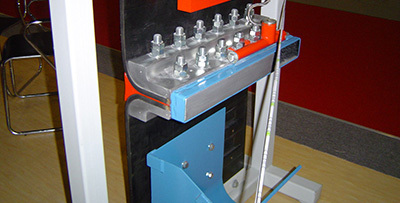
Mechanical fasteners are among the most common types used in conveyor systems. They are designed to join the ends of the conveyor belt together, allowing for easy installation and replacement. Some popular mechanical fasteners include:
- **Steel Hinged Fasteners:** Ideal for heavy-duty applications, they provide a strong, permanent connection.
- **Clipper Fasteners:** These are easy to install and are suitable for light to medium-duty applications.
- **Bolt-on Fasteners:** Offering a robust solution, they allow for easy maintenance and replacement.
3.2 Bonding Fasteners
Bonding fasteners use adhesive materials to join the ends of the conveyor belt. This method is favored for its seamless integration, which can minimize the risk of belt failure. Common adhesives used in bonding include:
- **Polyurethane Adhesives:** These provide exceptional flexibility and durability.
- **Epoxy Resins:** Offering a strong bond, epoxy resins are resistant to chemicals and extreme temperatures.
4. Installation Methods for Conveyor Belt Fasteners
The installation of conveyor rubber belt fasteners is a critical step that calls for precision and care. Proper installation not only ensures the longevity of the conveyor belt but also enhances safety.
4.1 Preparation Steps
Before installation, certain preparation steps need to be followed:
- **Clean the Belt Ends:** Ensure that the ends of the belt are devoid of dirt, oil, and debris.
- **Determine the Right Fastener Type:** Assess the application requirements to select the appropriate fastener type.
- **Measure Accurately:** Accurate measurements are crucial for proper alignment and fit.
4.2 Installation Techniques
Different installation techniques can be employed depending on the fastener type:
- **Mechanical Fasteners:** These typically require drilling and the use of bolts or screws. Follow the manufacturer's instructions for best results.
- **Bonding Fasteners:** For bonding methods, apply the adhesive according to the manufacturer’s guidelines and allow it to cure fully before putting the belt into service.
5. Maintenance of Conveyor Rubber Belt Fasteners
Regular maintenance of conveyor rubber belt fasteners is essential to ensure their effectiveness and longevity. Conduct routine inspections to identify any signs of wear or damage. Here are some key maintenance practices:
- **Inspect Fasteners Periodically:** Look for signs of corrosion, loosening, or wear on mechanical fasteners.
- **Check Adhesive Integrity:** For bonding fasteners, ensure that the adhesive remains intact and free from damage.
- **Tightening and Replacement:** Tighten any loose fasteners as needed and replace any damaged components promptly to maintain operational safety.
6. Enhancing Safety with Proper Fastener Use
Utilizing the right conveyor rubber belt fasteners significantly enhances safety on production lines. Here are ways in which they contribute to a safer working environment:
- **Prevention of Slippage:** Properly installed fasteners prevent belt slippage, reducing the risk of accidents.
- **Minimized Downtime:** When fasteners are maintained correctly, the risk of unexpected breakdowns diminishes, ensuring continuous operation.
- **Compliance with Safety Standards:** Using high-quality fasteners can help meet industry safety regulations, protecting both personnel and equipment.
7. Regulatory Standards for Conveyor Safety
Adhering to regulatory standards is crucial for maintaining safety in industrial environments. Organizations such as **OSHA** and **ANSI** have established guidelines that govern the use of conveyor systems. Compliance with these regulations not only enhances safety but also promotes a culture of responsibility within the workplace.
Regular audits and training sessions should be implemented to ensure all employees are aware of the safety protocols related to conveyor systems and fasteners.
8. Conclusion
The importance of conveyor rubber belt fasteners in ensuring production line safety cannot be overstated. They serve as the backbone of conveyor systems, contributing to operational efficiency and minimizing risks associated with belt failures. By selecting the appropriate fasteners, employing correct installation techniques, and adhering to regular maintenance practices, businesses can create a safer and more productive working environment.
As industries continue to evolve, staying informed about the latest advancements in conveyor technology and safety practices is crucial for sustaining operational excellence.
9. Frequently Asked Questions (FAQs)
1. What are conveyor rubber belt fasteners?
Conveyor rubber belt fasteners are components used to join the ends of conveyor belts, ensuring they stay securely in place during operation.
2. Why are conveyor belt fasteners important for safety?
Fasteners play a critical role in preventing belt slippage and failures, which can lead to accidents and injuries in the workplace.
3. What types of conveyor belt fasteners are available?
There are two main types: mechanical fasteners and bonding fasteners, each suited for different applications and requirements.
4. How do you properly maintain conveyor rubber belt fasteners?
Regular inspections, tightening loose fasteners, and replacing damaged components are essential maintenance practices.
5. What regulatory standards apply to conveyor safety?
Organizations like OSHA and ANSI provide guidelines that govern the safe use of conveyor systems, including the use of fasteners.
This comprehensive exploration of conveyor rubber belt fasteners and their impact on production line safety emphasizes the need for diligence in selection, installation, and maintenance. Implementing these practices can significantly enhance not only safety but also the efficiency and reliability of conveyor systems.
Previous Page
Previous Page
Recommend News
Address
Address: No.82 Liangnong Road, Liangzhu street, Yuhang District, Hangzhou City, Zhejiang Province
Contact Information
Telephone:+86-571-88778905
Business consulting:+86-16657119700
Fax: +86-0571-88781967
Website
Website:www.hezikj.com
Official Mall:https://hzhlxjzp.1688.com/
Zip Code: 311113


Alibaba
Copyright © 2025 Hangzhou Hezi Technology Co., Ltd. | Powered by www.300.cn