




Hangzhou Hezi Technology Co., Ltd.




News Center
Hezi technology focuses on the research and development of "rapid seamless conveyor belt joint sleeve" innovative technology project

NEWS CENTER
News Details
Essential Insights into Conveyor Rubber Belt Fasteners
Release time:
2026-04-23
--- Conveyor rubber belt fasteners are vital components in the operation of conveyor systems, widely used in various industries, including the chemical sector. These fasteners are designed to securely join the ends of rubber conveyor belts, ensuring a seamless, continuous operation while minimizing downtime and maintenance costs. Understanding the types and applications of these fasteners can sign
Conveyor rubber belt fasteners are vital components in the operation of conveyor systems, widely used in various industries, including the chemical sector. These fasteners are designed to securely join the ends of rubber conveyor belts, ensuring a seamless, continuous operation while minimizing downtime and maintenance costs. Understanding the types and applications of these fasteners can significantly enhance operational efficiency.
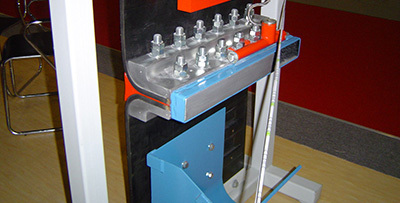
There are several types of conveyor rubber belt fasteners, including mechanical fasteners and endless splicing techniques. Mechanical fasteners are commonly used due to their ease of installation and maintenance. They come in various designs, such as clamps, clips, and pins, allowing for flexibility in application. On the other hand, endless splicing involves joining the belt ends using specialized adhesives or heat. This method creates a strong bond, resulting in a smooth surface that reduces wear and tear on the belt and provides a longer lifespan.
The choice of fastener can impact the overall performance of the conveyor system. For instance, selecting the appropriate fastener material is crucial, as it should be compatible with the type of rubber used in the belt and the operational environment. Fasteners that resist chemicals, heat, and abrasion are essential in chemical processing plants to ensure the longevity and reliability of the conveyor system.
In terms of installation, ensuring that the conveyor rubber belt fasteners are applied correctly is essential for optimal performance. Improper installation can lead to misalignment, increased wear, and even system failure. Therefore, training operators and maintenance staff on best practices for installation and periodic checks can mitigate these risks.
Furthermore, regular inspection of the fasteners is critical for identifying wear and tear. Signs of damage, such as rust or deformation, should be addressed promptly to prevent further complications. Implementing a routine maintenance schedule can help extend the life of the conveyor belt and its fasteners, ultimately leading to increased productivity.
In conclusion, conveyor rubber belt fasteners play an indispensable role in the efficient operation of conveyor systems, particularly in the chemical and rubber industries. Understanding the various types, ensuring proper installation, and maintaining these fasteners can lead to enhanced performance and reduced operational costs. By prioritizing the selection and maintenance of rubber belt fasteners, organizations can achieve smoother operations and greater reliability in their production processes.
Recommend News
Address
Address: No.82 Liangnong Road, Liangzhu street, Yuhang District, Hangzhou City, Zhejiang Province
Contact Information
Telephone:+86-571-88778905
Business consulting:+86-16657119700
Fax: +86-0571-88781967
Website
Website:www.hezikj.com
Official Mall:https://hzhlxjzp.1688.com/
Zip Code: 311113


Alibaba
Copyright © 2025 Hangzhou Hezi Technology Co., Ltd. | Powered by www.300.cn